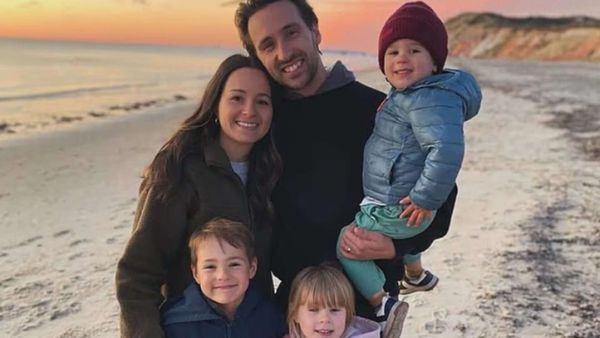
ST. LOUIS _ A St. Louis County senior community has denied housing to a married lesbian couple who have been together for nearly four decades because of the couple's sexual orientation, according to a lawsuit filed Wednesday in U.S. District Court.
Mary Walsh, 72, and Bev Nance, 68, both of Shrewsbury, say the Friendship Village senior living community, which has locations in Sunset Hills and Chesterfield, denied occupancy to them to live at the Sunset Hills community in 2016 because their relationship violated its cohabitation policy that defines marriage as "the union of one man and one woman, as marriage is understood in the Bible," according to the lawsuit.
The case may mark the latest front-line legal clash in deciding questions of sex discrimination and religious freedoms, legal observers say.
Friendship Village's policy, the suit says, violates the Fair Housing Act and the Missouri Human Rights Act. It names Friendship Village and its parent company FV Services Inc. as defendants. The couple are represented by the San Francisco-based National Center for Lesbian Rights, the American Civil Liberties Union and the Washington D.C.-based firm Relman, Dane & Colfax.
"Mary and Bev were denied housing for one reason and one reason only _ because they were married to each other rather than to men. This is exactly the type of sex discrimination the Fair Housing Act prohibits," Julie Wilensky, a lawyer for the center, said in a news release. "Their story demonstrates the kind of exclusion and discrimination still facing same-sex couples of all ages."
In response, Friendship Village's management company FV Services released a statement Wednesday: "We have just been made aware of a lawsuit that we have not yet seen and have not had an opportunity to review. This matter will be discussed with legal counsel and have no further comment at this time."
Walsh and Nance were married in Massachusetts in 2009 but have been together for 37 years, their suit says. They tried to move to Friendship Village in July 2016, got on a waiting list and paid a $2,000 deposit but were later told they couldn't because of the "long-standing policy." Friendship Village continues to enforce the "cohabitation policy" that has denied housing to other same-sex couples, the suit claims.
The Friendship Village web site says it is a nonprofit that provides "a fulfilling, worry-free lifestyle" to more than 1,000 seniors in Chesterfield and Sunset Hills. Its mission statement is: "Guided by biblical values, continually serve the senior community with quality offerings that promote lifelong well-being."
Walsh and Nance's friends encouraged the couple to move there. Before deciding on it, the couple made multiple visits, had extensive conversations with staff and paid a $2,000 deposit, the suit says.
Walsh and Nance considered other housing but said Friendship Village is the only place in the St. Louis area "that can provide increased levels of care without an increased monthly cost to residents."
According to the lawsuit, a letter to Walsh dated July 29, 2016, from Michael Heselbarth, a top administrator with the retirement village, said: "Your request to share a single unit does not fall within the categories permitted by the long-standing policy of Friendship Village Sunset Hills."
The Sunset Hills case follows other high-profile court cases pitting anti-discrimination laws against religious liberty including that of a Colorado baker who made a religious objection to making a wedding cake for a same-sex couple; or the 2014 Supreme Court ruling in favor of Hobby Lobby's refusal of birth control coverage to workers.
Friendship Village may have more latitude to deny housing to the Shrewsbury couple because it is a private company, and same-sex couples are not considered a protected class under federal law, said Anders Walker, a constitutional law professor at St. Louis University.
"My gut instinct is they're probably out of luck," he said of Walsh and Nance. "When a private body doesn't want to rent a room to you, for them, that's freedom of association. They're probably entitled to their deposit back."
Other legal scholars said the couple's legal challenge will test whether the Fair Housing Act applies to sexual orientation. Dozens of states have passed laws aimed at protecting employees from discrimination based on sexual orientation, but not Missouri. Missouri's high court in April heard two cases challenging whether the state's anti-discrimination law protects people on the basis of their sexual orientation and gender identity.
Friendship Village's religious freedom claim "does have to be sincere," said Marcia McCormick, who studies employment and labor law. "The defense of the First Amendment does not excuse discrimination in the Fair Housing Law."
It remains a gray area of the law but federal courts are increasingly deciding that sex discrimination applies to sexual orientation, said Elizabeth Sepper, a Washington University law professor who focuses on religious liberty and health law.
"I think (the couple) have a strong case, but it's not a slam dunk by any means," Sepper said. "Hopefully, this case will continue the trend of telling religious objectors that if they want to operate in the commercial markets, they have to play by the same rules as everyone else."