Cases of leprosy are rising in Florida, with officials working to understand what’s behind the spread of the rare 4,000-year-old bacterial infection.
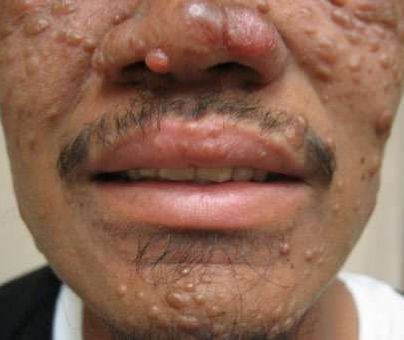
Leprosy, also known as Hansen’s disease, can impact a person’s nerves, muscles, skin, eyes and respiratory tract, causing large bumps all over the skin and lead to paralysis and blindness.
There are currently 17 cases of leprosy in Florida, state health data shows. Last year, Florida had 36 cases - a record number since the state began reporting the virus in 1992. Last year saw a total of 174 cases across the U.S., according to the Health Resources and Services Administration, which is responsible for a leprosy care program.
Stigma surrounding infections has spread wider than the disease itself but the late Mother Teresa, a champion for the poor and disenfranchised, helped draw attention to the suffering caused by discriminatory attitudes.
What’s causing increased rates of leprosy now remains up for debate.
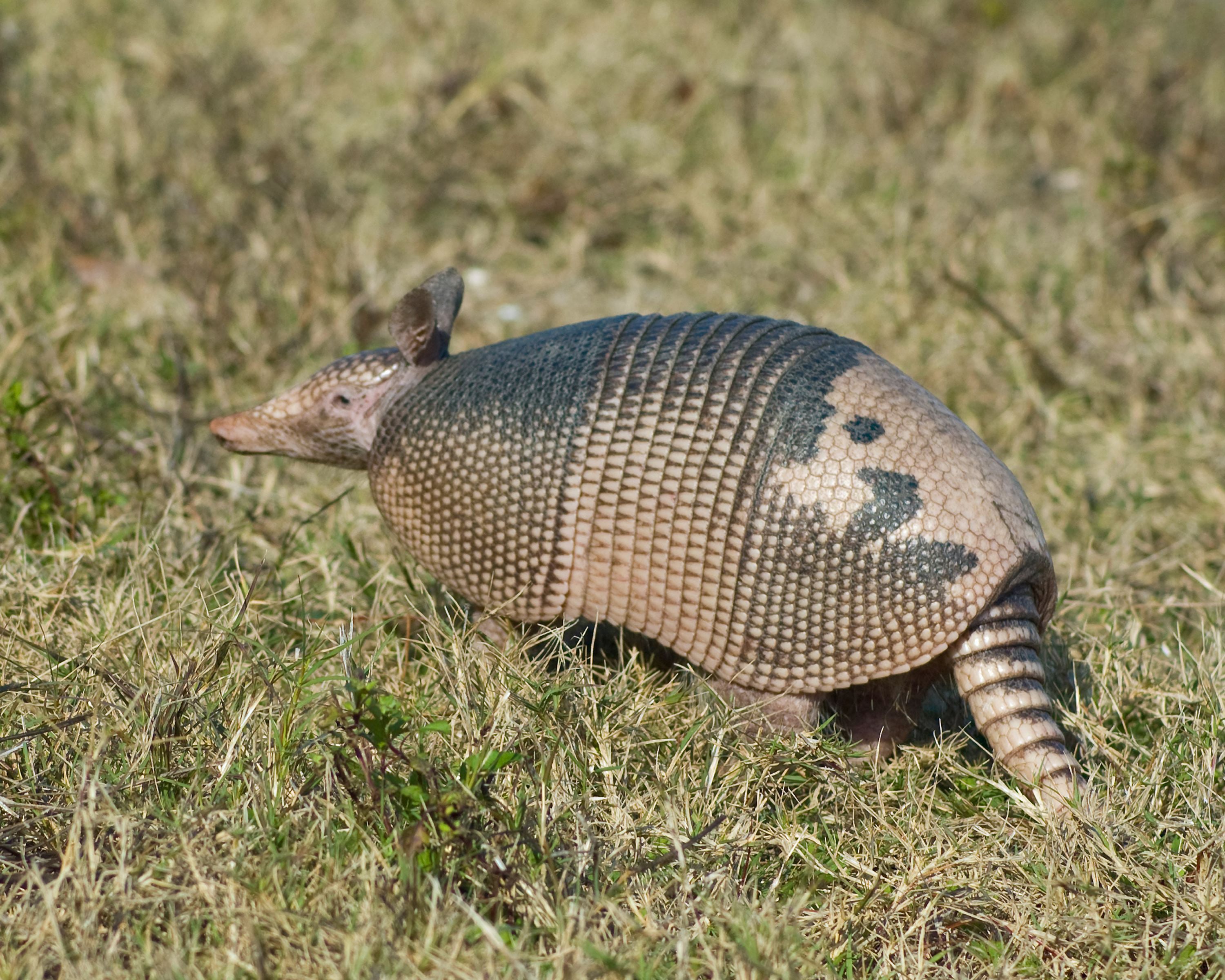
One source of the infection is the nine-banded armadillo, which carries the bacteria.
“In the southern United States, some armadillos are naturally infected with the bacteria that cause leprosy, and it may be possible that the animals can spread it to people,” the Centers for Disease Control and Prevention says. “However, the risk is very low and most people who come into contact with armadillos are unlikely to get leprosy.”
This invasive species live underground. They can pass the bacteria to humans when people touch soil around their burrows. People can also be exposed more directly by holding armadillos.
However untreated patients infected with the bacteria, known as M. leprae, are believed to be the main source of infection, spreading the disease to other humans even months later, Florida health authorities say.
It may take up to 20 years after contact with the bacteria to develop signs of the disease. “Transmission requires prolonged close contact with someone known to be infected and not treated,” the department said.
However 95 percent of people are not susceptible to leprosy infections because of our immune system’s natural defenses. Those most at risk are the immunocompromised, as well as people who are in areas where leprosy has historically spread, including the South and Southeast.
To reduce risk, people should avoid contact with nine-banded armadillos and people who may be infected.
People who are in close contact with people who may be infected should seek out medical care for a blood or nerve test to see if they are affected.
Leprosy has been spreading in the U.S. for more than a thousand years, with origins in the Americas predating European infections, according to a study from Colorado State University. There are typically 225 cases in the U.S. each year.
The disease can be cured with antibiotics, with treatment lasting for up to two years.