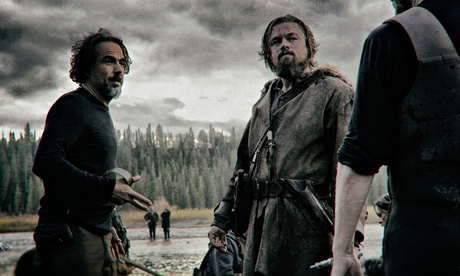
Leonardo DiCaprio is currently undergoing a great and terrible ordeal that afflicts many handsome male stars approaching middle age. It is the ordeal of the Hollywood Beard – very different from, say, a hipster’s beard or an 18th-century pirate’s beard, or even Ed’s Milibeard.
DiCaprio had to grow his great big straggly beard for his leading role in the new Oscar-bait movie The Revenant. But four months after filming has finished, he’s still got this beard of his; the word is that he’s not shaving because he might be needed again for reshoots, and now the beard itself is rumoured to have fleas. What an itchy nightmare!
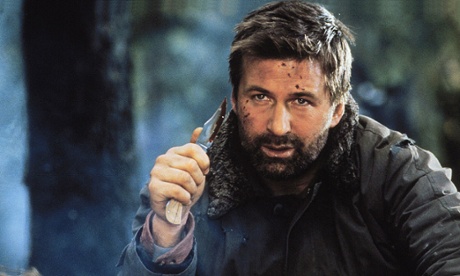
In fact, DiCaprio’s beard is almost certainly the classic symptom of the Hollywood A-lister’s menopausal yearning for grownup seriousness. Joaquin Phoenix sported a beard five years ago when making his semi-serious spoof documentary I’m Still Here, about being a rapper. Peter Sellers once went through a phase of irritating everyone profoundly with his beard. And the most notorious beardist was Alec Baldwin, who was cast as a handsome young lothario in a 90s David Mamet movie, The Edge. He dismayed everyone by showing up for filming with a huge serious beard and when someone timidly asked him to shave, Baldwin screamed “Motherfucker!” – and smashed his fist through a table.
As for DiCaprio’s beard, it could be that those flea rumours have been started by people in an attempt to persuade him to get the Gillette out and return to those smooth chops we know and love.
The known unknown
The most heartsinking thing about the New York Times story on Amazon’s heartless workplace practices was the eel-like slipperiness of language with which Jeff Bezos, the chief executive, replied. In an open memo addressed sternly to his own cowed workforce, he said: “I don’t recognise this Amazon and I very much hope that you don’t either.”
Leaving aside the insouciant menace of those final eight words, Bezos used a classic political PR “I don’t recognise” ploy. Not saying it’s not true, not denying anything specific, nothing that leaves you open to some sort of further dispute about facts. Just this airily baffled pronouncement that you don’t “recognise” this picture – which no one can dispute. Iain Duncan Smith, the work and pensions secretary, once grandly announced in response to stories that £4bn would be cut from the benefits bill: “I simply don’t recognise that figure at all” – again, not saying it was untrue, or that a cut of that scale would be unworkable, just that he didn’t “recognise” it, as if Duncan Smith had sustained a blow to the head which meant the number itself was meaningless.
Bezos used the ploy like someone in a police lineup who, when the witness draws level with him, steps out and announces: “You know, I simply don’t recognise my supposed resemblance to wrongdoers. And I very much hope you don’t either.”
Let the young people clap
The BBC Proms are currently in full flow, and an issue about audience behaviour has recurred. Younger people are enthusiastically applauding between movements. Not the done thing. There has been much frowning and shushing from older concert-goers.
When I first started going to concerts, it seemed unnatural not to applaud at these moments, because audiences are not silent in the pauses. Far from it. What happens is that they cough: they let rip with a deafening barrage of throat-clearing and wheezing and spluttering, hawking up all the frogs they have kept locked in their throats during the music. It’s loud and harsh, and almost seems like the classical music buffs’ own version of applause, rather like the braying sound MPs make in the Commons in lieu of clapping. Can’t we just let younger concert-goers applaud – to cover the oldsters’ yucky coughing?