On 15 November 2010, botanist Leonardo L Co was shot and killed by the Philippine army while doing fieldwork on the island of Leyte.
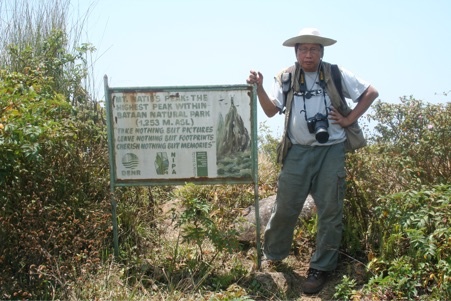
Co was an outstanding and internationally acclaimed plant scientist and conservationist, with an enormous heart for the plants and people of the Philippines. His death left his family, colleagues, and friends in shock and disbelief, and a country without its most passionate and knowledgeable plant expert.
He also left behind an unfinished manuscript and over 11,000 photographs. Co had dedicated many years to an extraordinarily ambitious project: a first modern overview of all indigenous plants of the Philippines. His good friend, Julie Barcelona, her husband Pieter Pelser (both at the University of Canterbury, New Zealand) and Daniel Nickrent (Southern Illinois University, USA) have continued Co’s work, to ensure that his incredible contribution to Botany – work that touched and changed thousands of lives – would continue and flourish.
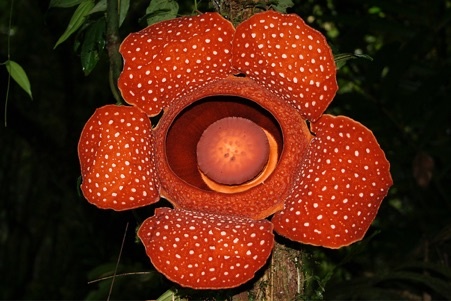
The Philippines is famous for its diverse ecosystems, with unique and endangered species; it is one of the world’s top 25 biodiversity hotspots. Its native species are “the very life-support system that sustains us, and the material basis of indigenous knowledge and culture of Filipinos,” Nickrent and Barcelona explain.
But extraordinary and ancient habitats are being destroyed for agriculture and development, posing a severe threat to the species and forests that harbour them, as well as the people who depend on them for food, water and shelter. Co knew that documenting and understanding the life making up these ecosystems is key to tackling the threat to their existence.
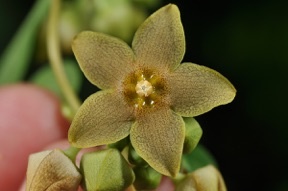
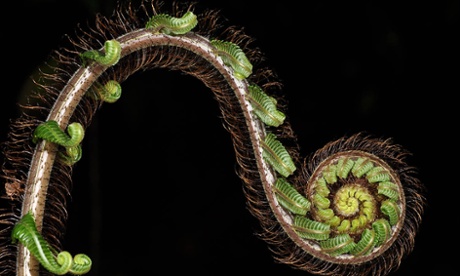
Co’s Digital Flora of the Phillippines is an impressive and continuously updated collection of records and photographs of plants indigenous to the Philippines, taken by Co and others and powered by social media. Pelser, Barcelona and Nickrent created the open access database so that anyone can identify plants they find and help to populate the collection. Their team is small and the website is fairly basic and can be tricky to navigate, so it takes a bit of time to find your way around. But it’s well worth it. You don’t need a swish website to see just how stunning and photogenic these plants are.
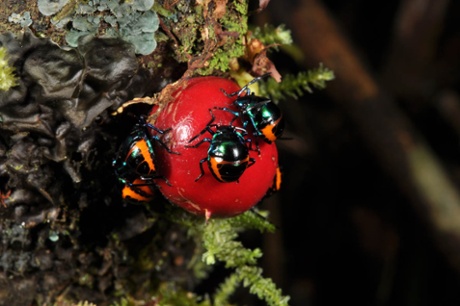
With over 10,000 species listed so far, Co’s Digital Flora is the only comprehensive guide to the plant life of the Philippines. It is also a fine example of Citizen Science. Whether it’s helping to recover old worldwide weather observations by transcribing ships’ logs, or helping to understand what killer whales are saying by categorising sounds, Citizen Science puts the task of information gathering into the hands of the public. It’s a valuable tool that means scientists can get their hands on a large amount of data, quickly and at low cost.
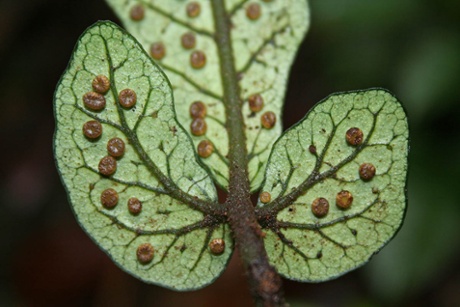
“Many Filipinos have smartphones, which can help to gather biodiversity data that would otherwise take years and cost millions of dollars,” Barcelona says. “Connecting the public with the scientists has been beneficial to both parties.”
“Social media is bringing down ivory towers,” Pelser says. “It has never been easier for people to get involved in scientific projects and experience the thrill of discovery.”
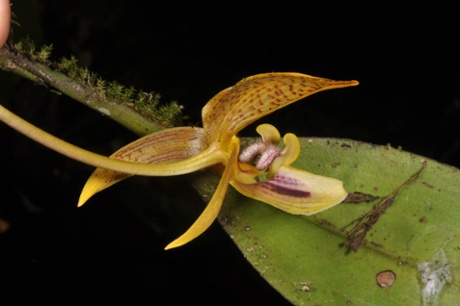
Pelser’s team hope that Co’s Digital Flora of the Philippines will help more people realise the beauty and value of biodiversity, and help to protect species and ecosystems: “We honour Co’s contributions to Philippine botany and conservation, and hope to continue his legacy of generating and freely sharing botanical knowledge to stimulate biological education, research, and conservation,” Barcelona says.
Matt Walters, Digital Imaging Technician at the University of Canterbury, has created a guide to help Citizen Scientists collect scientifically useful images. The guide explains how to get quality shots of the right parts of the plants, at the right angle and scale, so that they can be identified.
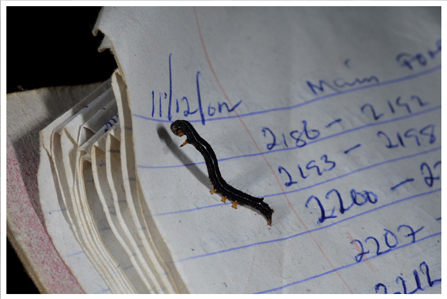
“Many people are keen to help by photographing unusual plants they come across. But often they’ll only photograph the prettiest parts, making it hard and often impossible to accurately identify them. I created the guide to explain which parts of the plant, and which other information such as size and location, will help us identify and document them,” Walters says.
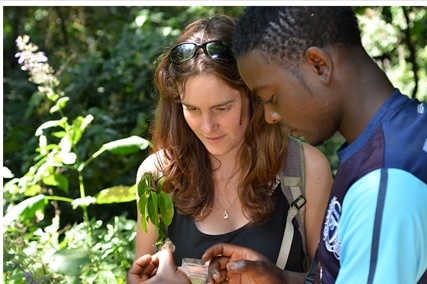
Walters is working on another Citizen Science project at the Royal Botanic Gardens in Kew, London. This one stores thousands of specimens of plants and trees that otherwise grow indigenously at Ngel Nyaki forest in Nigeria. Many of these species are endangered by subsistence farmers who are hunting and burning the reserve for cattle grazing. The Nigerian Montane Forest Project aims to help conserve Nigeria’s montane forests by inspiring research and empowering local communities through employment and education.
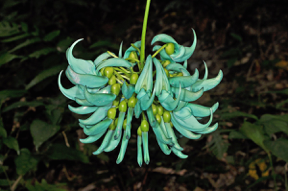
You can find out more about the project here, and if you want to become a Citizen Scientist involved in either of these projects, join Co’s Digital Flora, and the Nigerian Montane Forest Project Facebook groups, where people can discuss and compare findings and photos.
Amy Coats is a Citizen Science fledgling.