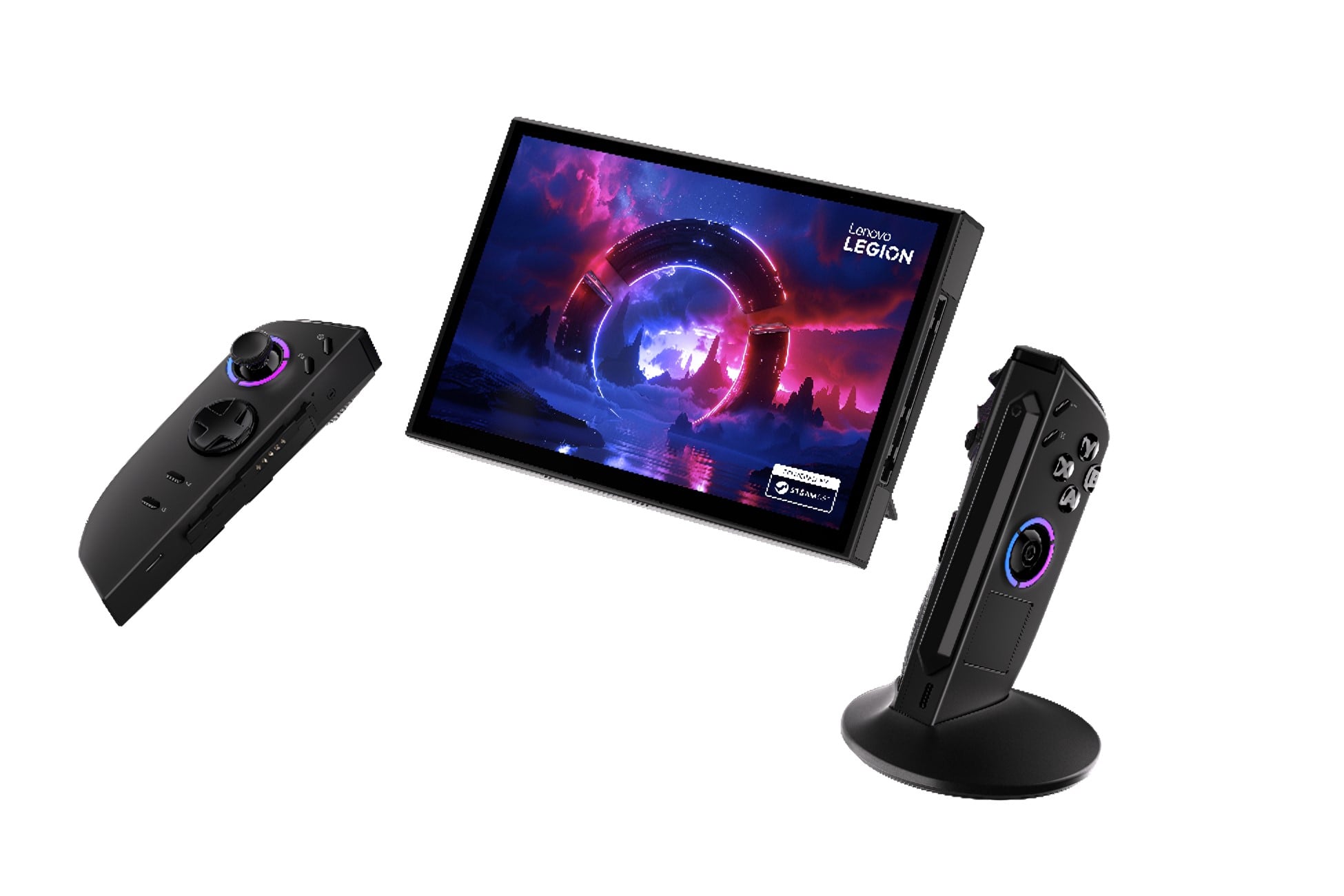
Lenovo has announced a SteamOS-based version of the Legion Go 2, expanding its list of non-Valve handheld PCs that ship with Valve’s operating system instead of Windows to two, after the Lenovo Legion Go S.
SteamOS-based Legion Go 2 was announced at CES 2025, and it’s slated to be released in June 2026. Starting price for this flagship handheld is is $1,199, according to Lenovo itself.
The base model will start out with Ryzen’s Z2 chip, 16GB LPDDR5X memory, and 512GB SSD storage. Other features are on par with the Windows Legion Go 2, including an 8.8-inch display with the world’s first 1920×1200 OLED with variable refresh rate, detachable controllers, a built-in kickstand, microSD expansion, and a 74Wh battery.
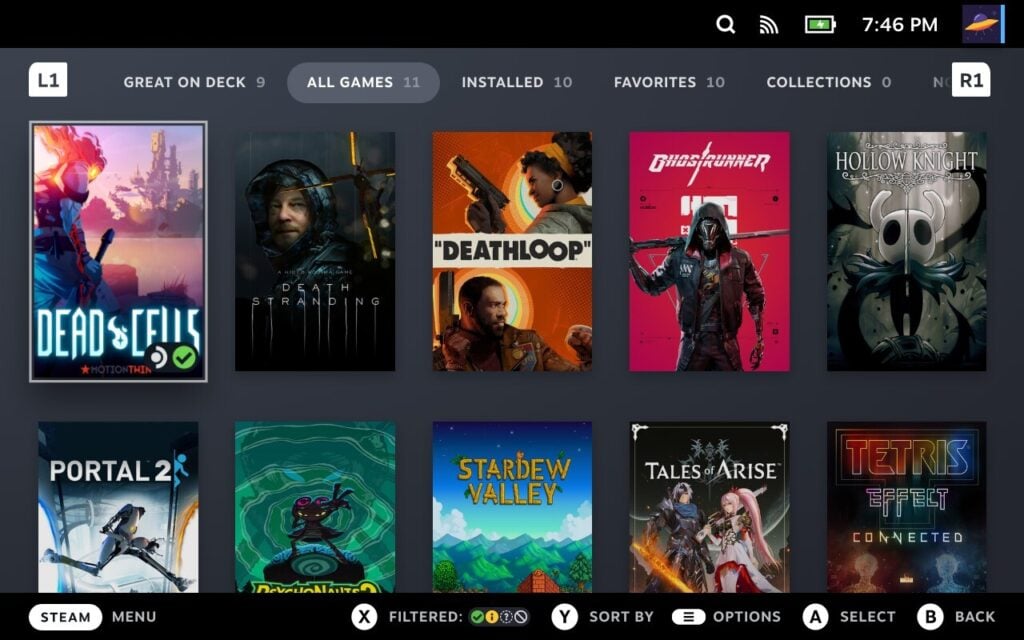
SteamOS-based handheld being the new offering, and the one that gets its own announcement, is notable because of what the operating system offers. Unlike Windows, which is decidedly a home OS, SteamOS is built with gaming in mind. It has a controller-first interface that behaves like a console, boots into Steam’s Big Picture-style environment, and supports suspend/resume-style behavior better than Windows. For games, it relies on Proton compatibility to run a large portion of the Steam library, and offers options to install your own content if you wish from the Desktop Mode.
For more advanced users, a SteamOS-based handheld is just a Linux PC, with all the essential features already preinstalled and working as intended. Unlike modern consoles, it offers lots of customizability and additional features, like plugins, third-party launchers, and emulation.
On the performance side, SteamOS is believed to be substantially faster in-game performance compared to Windows on the same hardware, as it doesn’t have some of the essential performance-hogging processes that Microsoft’s OS does. It won’t outperform its silicon, but the users will see a substantial increase in FPS.
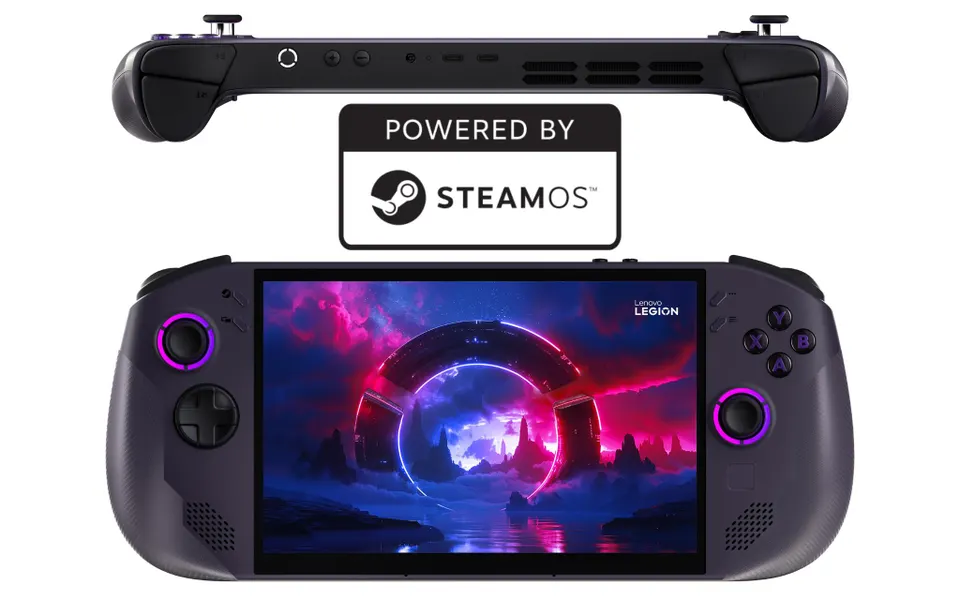
Lenovo’s decision also follows its earlier SteamOS experiment with the Legion Go S, which was the first non-Valve handheld to ship officially with SteamOS. The Legion Go 2 SteamOS edition is the higher-end continuation of this approach, with the company opting for its flagship.
The hardware itself is aimed at the premium end of the market, as the $1,199 starting price with options for higher configs is substantially more than what a general user would pay for a handheld device. The segment entry point is getting harder to pinpoint, however. Valve recently stopped producing the Steam Deck LCD 256GB model, which offered a nice starter option at just $399, but their lowest-priced offering is now the Steam Deck OLED at $549.
It’s unclear how much time we have left with handhelds, even at these prices, with AI’s surging demand for memory driving the DRAM and storage prices to previously unseen levels.