Telcos and the industry watchdog are calling for major reform as rural Australians experience poor connectivity and sometimes rely on century-old technology to communicate.
Mobile and internet connectivity in the bush remains unreliable and outages risk lives and economies, according to an analysis of more than 25,000 complaints to the watchdog.
The Telecommunications Industry Ombudsman's report Left Behind, released on Thursday, recommended a review of complex regulatory frameworks that govern the sector.
It also recommended consumer compensation options, remedies to poor mobile connectivity and digital literacy campaigns.
"Reliable telecommunications aren't a luxury," ombudsman Cynthia Gebert told AAP.
"They're essential for safety, for economic participation in everyday life."
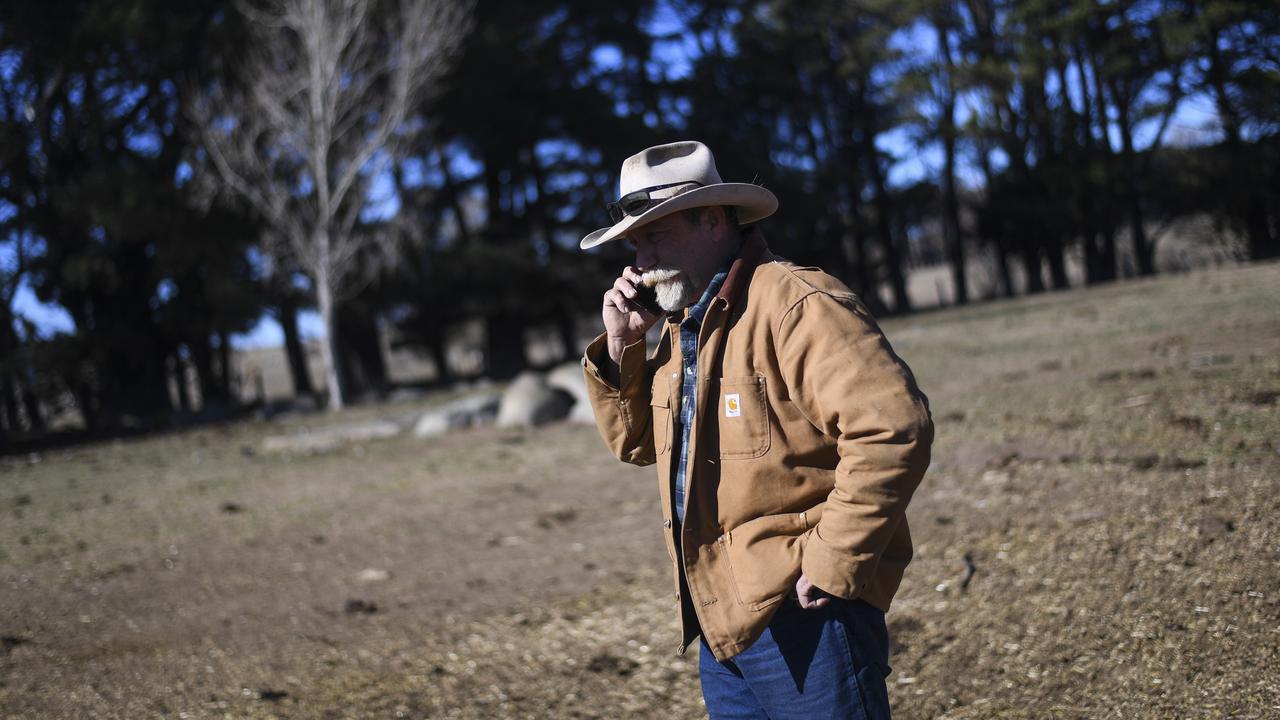
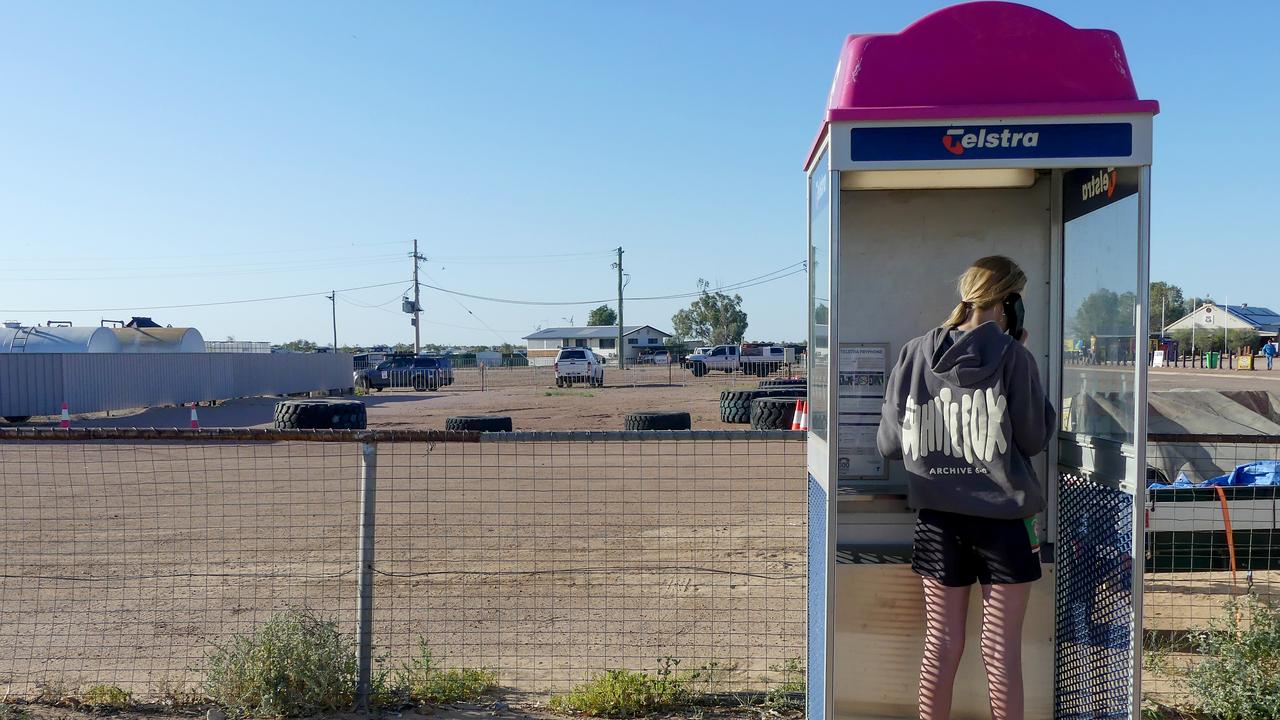
The 2024 shut-down of the ageing 3G network left some rural communities without any mobile coverage, as farmers described having to either travel to make calls or rely on two-way radios.
"It's fine, but everyone in the district can hear what you're saying, so you have to juggle what you say," one rural resident told the ombudsman.
Another described a lack of connectivity more frankly: "No doubt it's because we're in the middle of nowhere. Who gives a shit about us, right?"
A rural firefighter reported triple-zero dropping out while he responded to a fatal blaze and being unable to call a colleague standing 100m away.
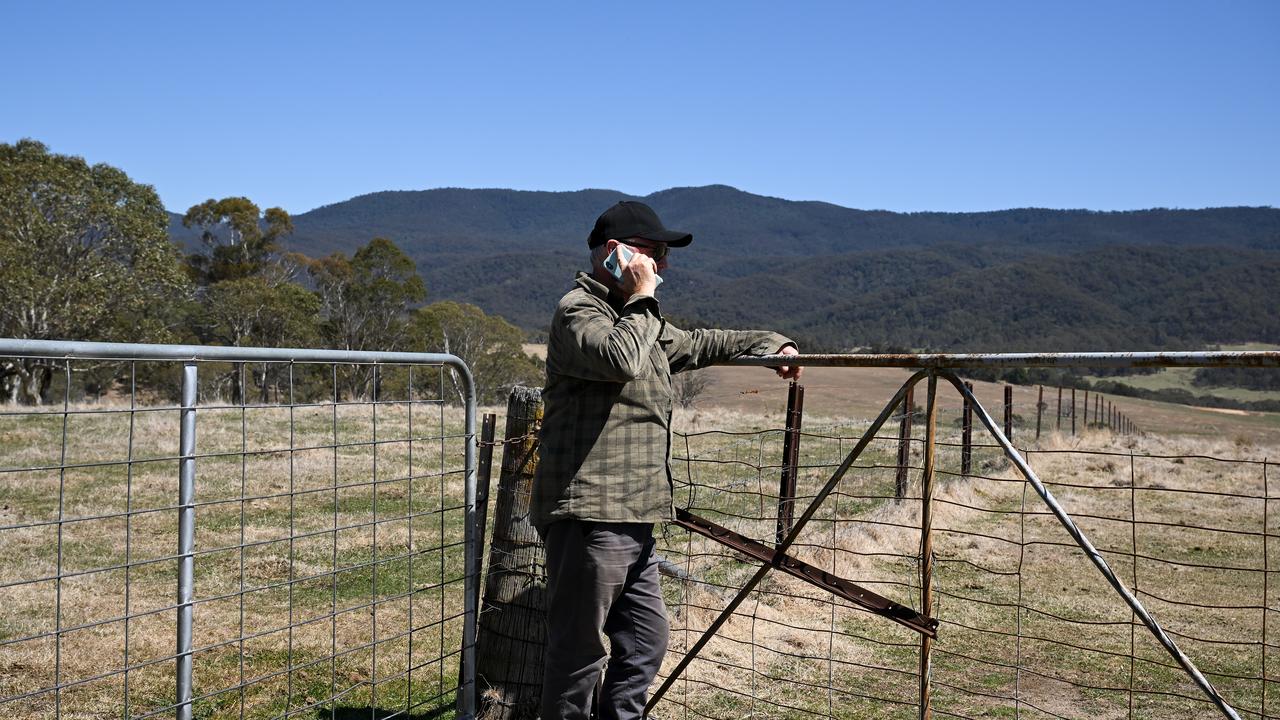
The report also found consumers living in remote areas had difficulty accessing upgrades and repairs, with one man making several 350km trips just to set-up a new device.
The telecommunication sector's peak body said it welcomed calls to cut red tape so it could accelerate the roll-out of 5G, fibre and satellite technology.
It takes an average of 211 days for mobile infrastructure development applications to be reviewed by local councils, with some delays as long as 700 days, the Australian Telecommunications Alliance said.
The alliance also gave an example of an inter-capital fibre connection involving more than 1000 construction certificates and surveys, along with 171 heritage and environmental assessments.
"Telecommunications should be the priority for government efforts to improve productivity and safety for regional customers," chief executive Luke Coleman said.
"Funds directly invested into upgrading networks and other digital infrastructure yield far higher economic and social equity returns than those used to pay for regulation, lengthy and costly planning approvals and spectrum licences."
First Nations people told the ombudsman they often could not get mobile accounts because they did not have the required identity documents.
And while services like Elon Musk's Starlink improved coverage, consumers said they still needed back-up technology because satellites failed during storms, fires or under heavy cloud.
During an analyst call on Thursday morning, Telstra chief executive Vicki Brady said the telco invested in satellite-to-mobile technology to boost coverage in the regions.
"It is a little bit of a clunky experience, it's not a seamless one and there are other players in this space," Ms Brady told the call.
"The technology is moving fast.
"We are focused on making sure we can find solutions and technology that makes that experience a seamless one for our customers.
"So that's very much front of mind for us."