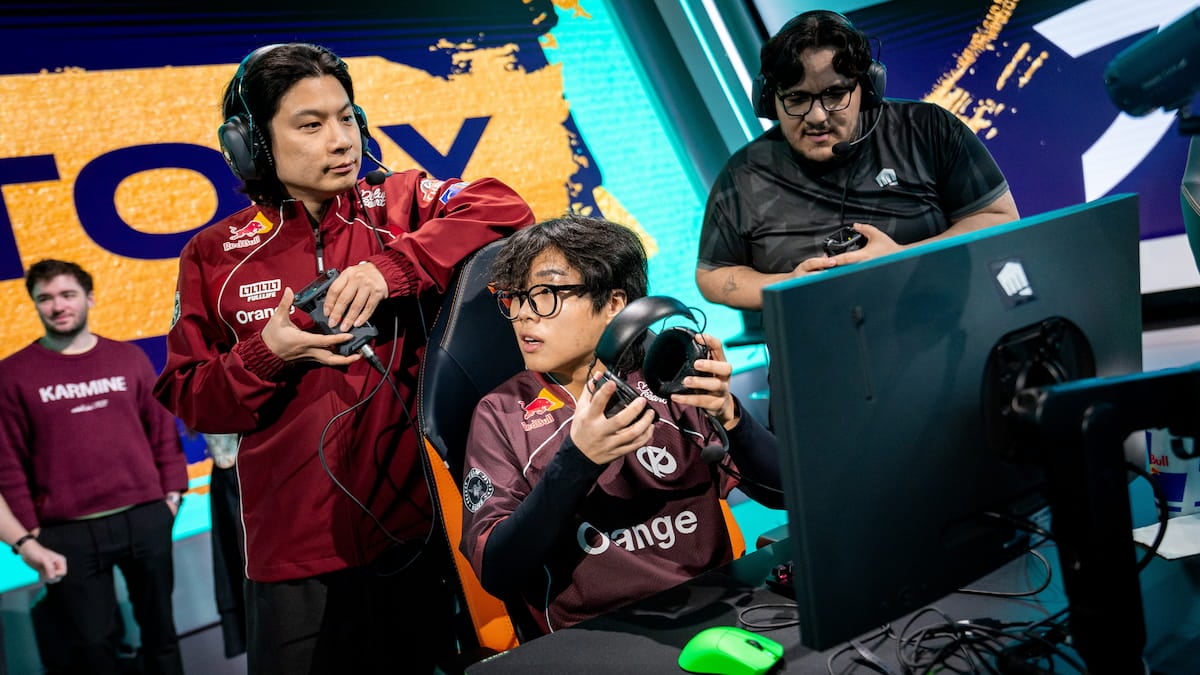
An inappropriate fan message briefly appeared during a recent LEC broadcast, prompting an official apology from the European league after viewers quickly called out the incident online.
The message, which included the phrase “NETENKYEAHOO,” was shown on stream in error during the live LEC broadcast during the match between Karmine Corp and Team Heretics on April 12, 2026.
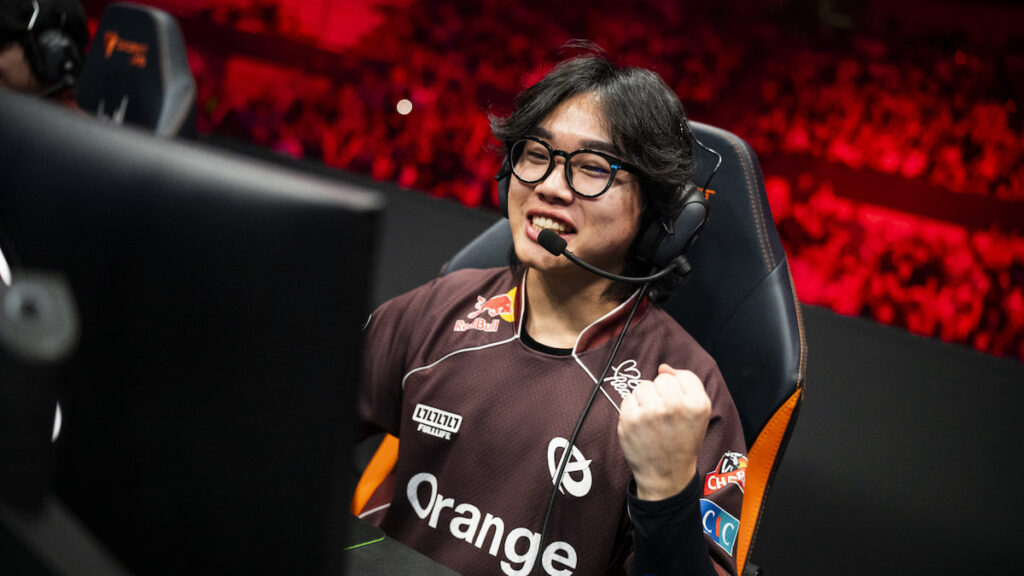
The phrase referenced the name of Israeli Prime Minister Benjamin Netanyahu, along with Karmine Corp mid laner Kang “kyeahoo” Yea-hoo, which falls outside the standards typically expected for a professional League of Legends esports broadcast.
The moment circulated rapidly across social media, with fans questioning how the content made it through production filters. While not repeated in full context on air, such phrasing can be considered inappropriate due to its tone and potential to provoke or offend, which is why the LEC moved quickly to address the lapse.
“An inappropriate chat message was shown in error during today’s LEC broadcast. This message should not have aired,” said LEC, which acknowledged the mistake on X, and issued a public apology via its official channels. “We want to apologize to Karmine Corp, Kyeahoo, and to fans for this mistake. We’ve taken the appropriate steps to ensure this won’t happen again.”
Shortly after the clip gained traction on social media, LEC on-air talent addressed the situation and clarified they were not involved in the error.
Aaron “Medic” Chamberlain and Robert “Dagda” Price reinforced that the issue stemmed from production rather than on-air talent. Both of them took to social media to distance themselves from the incident, making it clear they had no role in selecting or displaying the message.
While the message was only visible briefly, the incident has raised questions about moderation and broadcast safeguards within live esports productions. Typically, fan messages shown on official streams go through filtering systems by moderators to prevent inappropriate or offensive content from appearing live.
The LEC stated it has already taken steps to prevent similar mistakes in the future, though it did not specify what changes have been implemented at the time of writing.