With the ongoing deadlock in forming the new government, the Lebanese public opinion began to move against escalatory positions mainly launched by Hezbollah’s deputies and supporters.
Despite a consensus voiced by sources close to Prime Minister-designate Saad al-Hariri over the refusal to resort to the street, and the assertion by military officials that the security situation was under tight control, experts believe that the factors of a crisis in Lebanon exist, and do not rule out the possibility of explosion if the situation does not improve.
Tension began days ago with statements by Hezbollah MPs and figures close to the March 8 Forces, attacking Prime Minister Saad al-Hariri and the policy of his father, the late premier, Rafik al-Hariri. A Hezbollah deputy went on to accuse the premier-designate of serving the US-Israeli project in the region.
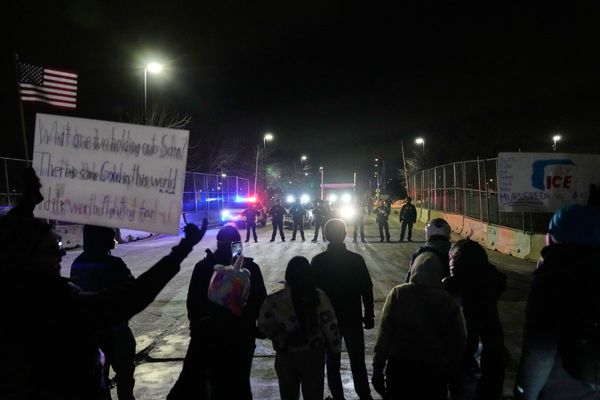
This has led to street reactions on Thursday that included the closure of some roads and a war of banners between the supporters of the two camps. A group of lawyers lodged a complaint against the Tawhid Party leader, Wiam Wahhab, for “inciting sedition and jeopardizing civil peace.”
This complaint comes after a video was leaked showing Wahhab launching a sarcastic attack against the late PM Hariri and his son, the caretaker premier.
On the other hand, Wahhab announced on Twitter that he had filed a complaint against Saad Hariri and his followers, citing banners that included foul language and murder threats against him.
The Future Movement has called on its supporters not to resort to the street, asking them to remove the banners in response to the campaigns against Hariri, and describing recent developments as a “cheap incitement against the Movement and its followers.”
Lebanon’s security officials are not worried about the situation. Military sources told Asharq Al-Awsat that security authorities were in constant communication with the different political parties.
“There is no fear of an explosion and the leadership of the army is in constant contact with the political leadership to prevent the escalation of the situation,” the sources said, adding that the army was always ready to face any security breach.