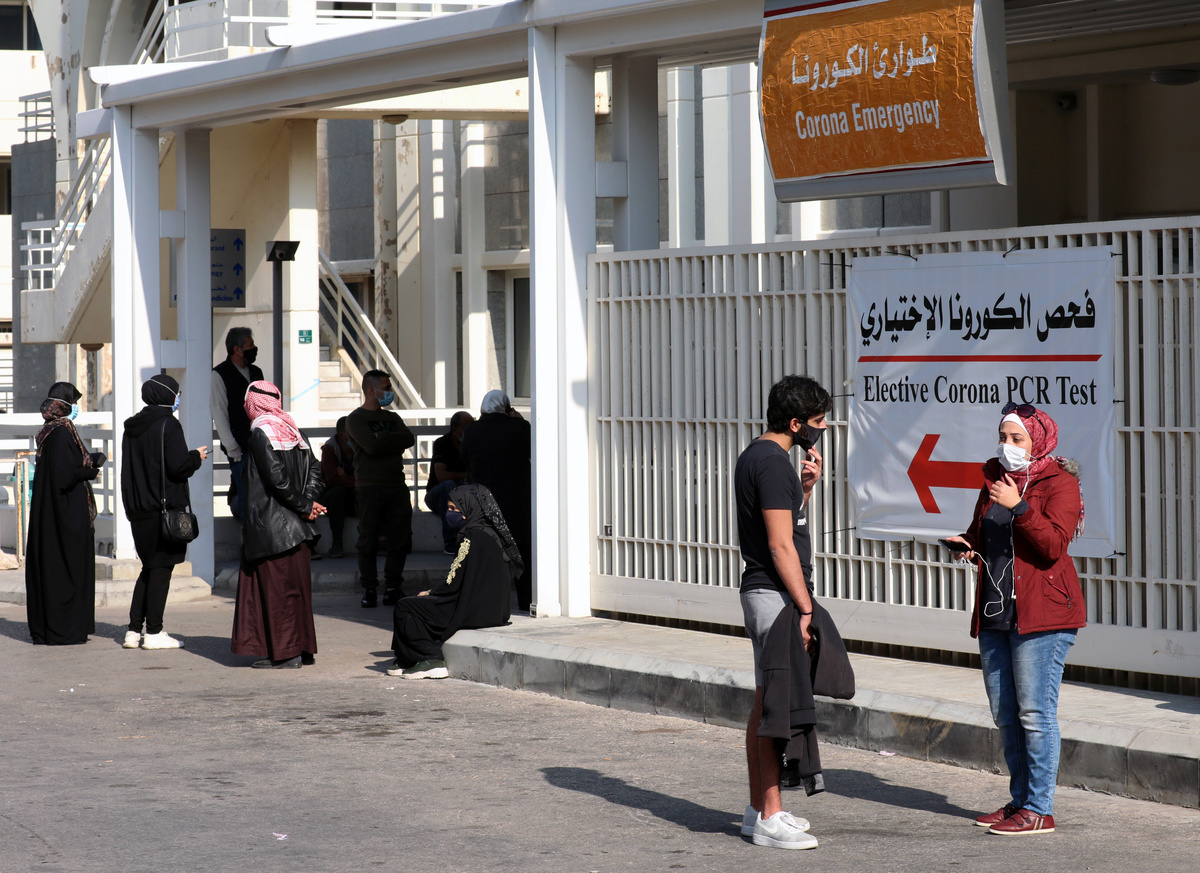
Lebanon announced a full lockdown for three weeks, including a night curfew, to stem a rise in COVID-19 infections that threatens to overwhelm hospitals in a country already facing financial meltdown.
Caretaker Health Minister Hamad Hasan said the lockdown would start on Thursday and run until Feb. 1, with further details on Tuesday on which sectors would be exempt.
The lockdown will include a curfew from 6 pm to 5 am.
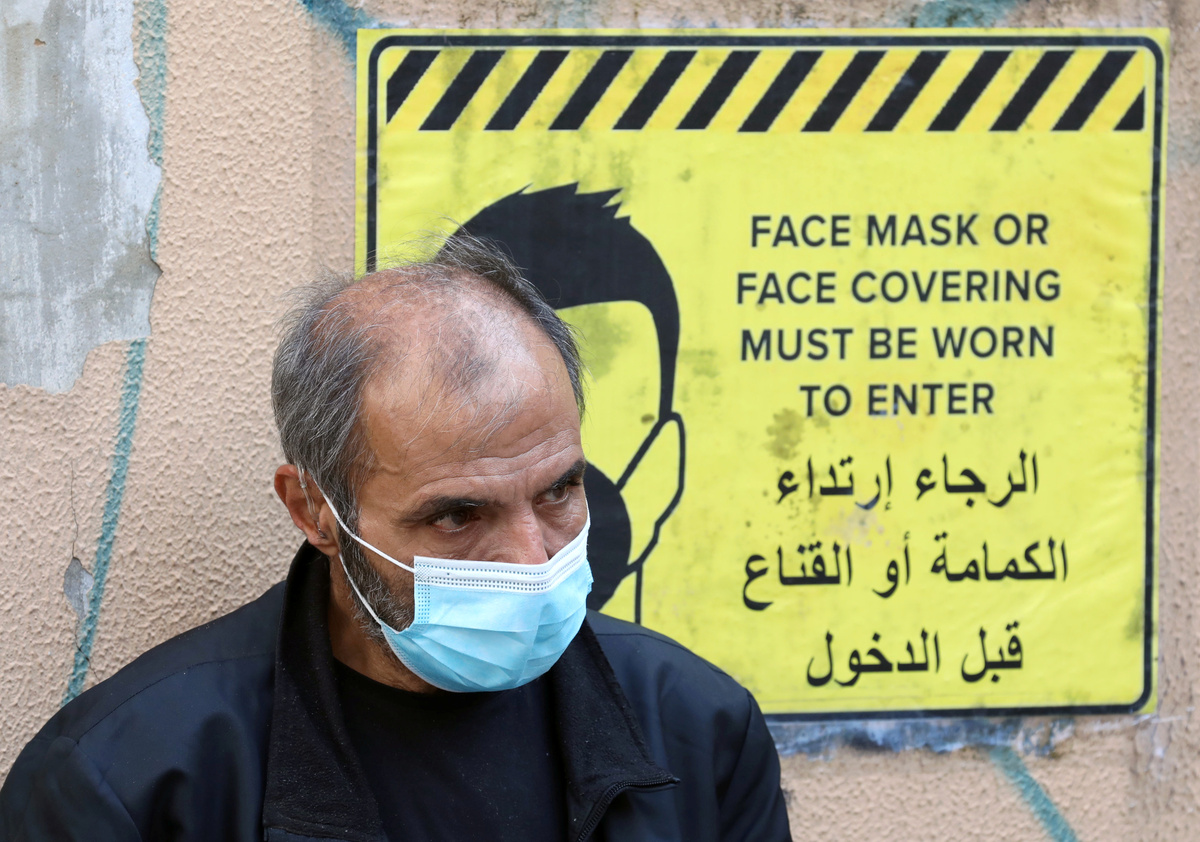
"It has become clear that the pandemic challenge has reached a stage that is seriously threatening Lebanese lives as hospitals are not capable of providing beds," Hasan told reporters after a meeting of the ministerial committee on COVID-19.
Lebanon registered 2,870 new infections on Sunday, bringing its total to 189,278 cases and 1,486 deaths since Feb. 21.
The new lockdown comes amid concerns over soaring unemployment, inflation and poverty.
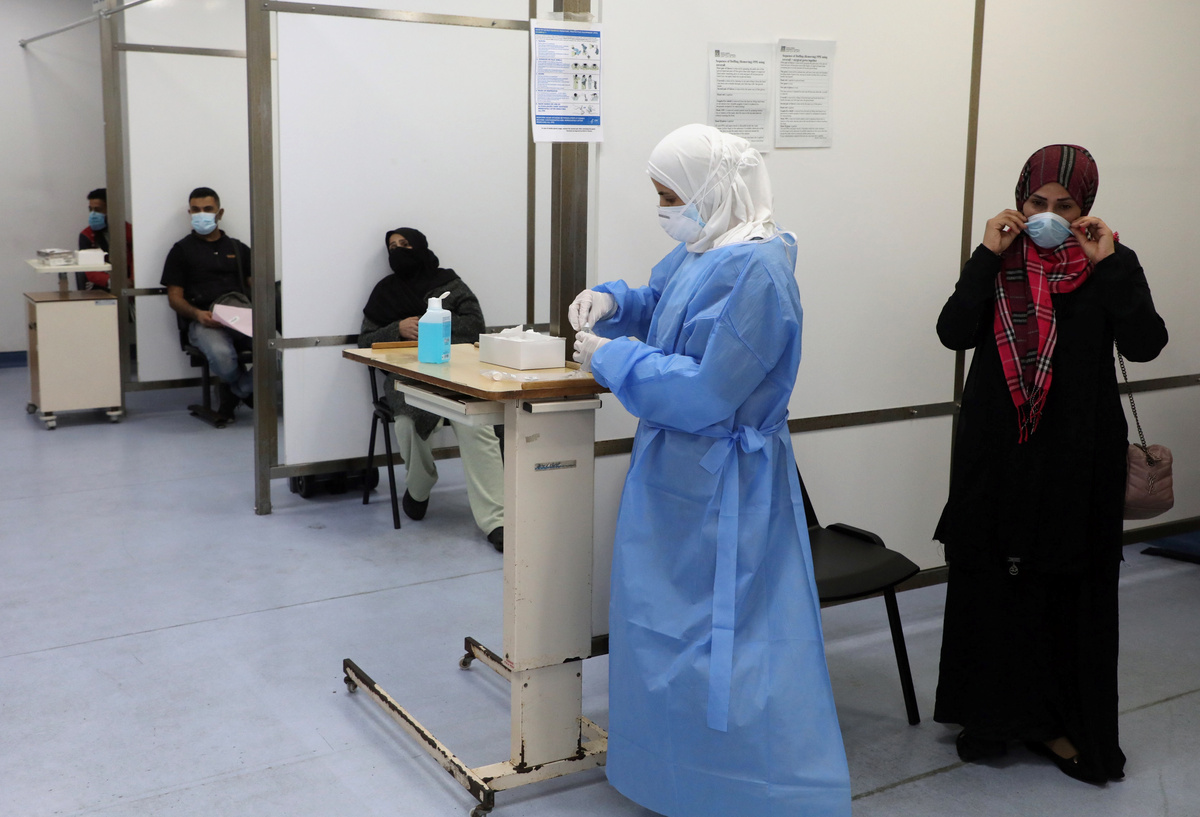
Lebanon is facing a devastating financial crisis that has crashed the currency, paralysed banks, and frozen savers out of their deposits. Medical supplies have dwindled as dollars have grown scarce.
Intensive care units had previously reached critical capacity over the summer as the virus spread after a massive explosion at the docks wrecked swathes of Beirut, killed 200 people and destroyed several hospitals.
Adherence to social distancing and other preventive measures has been lax and there are now fears of a significant rise in cases after the Christmas and New Year holidays.
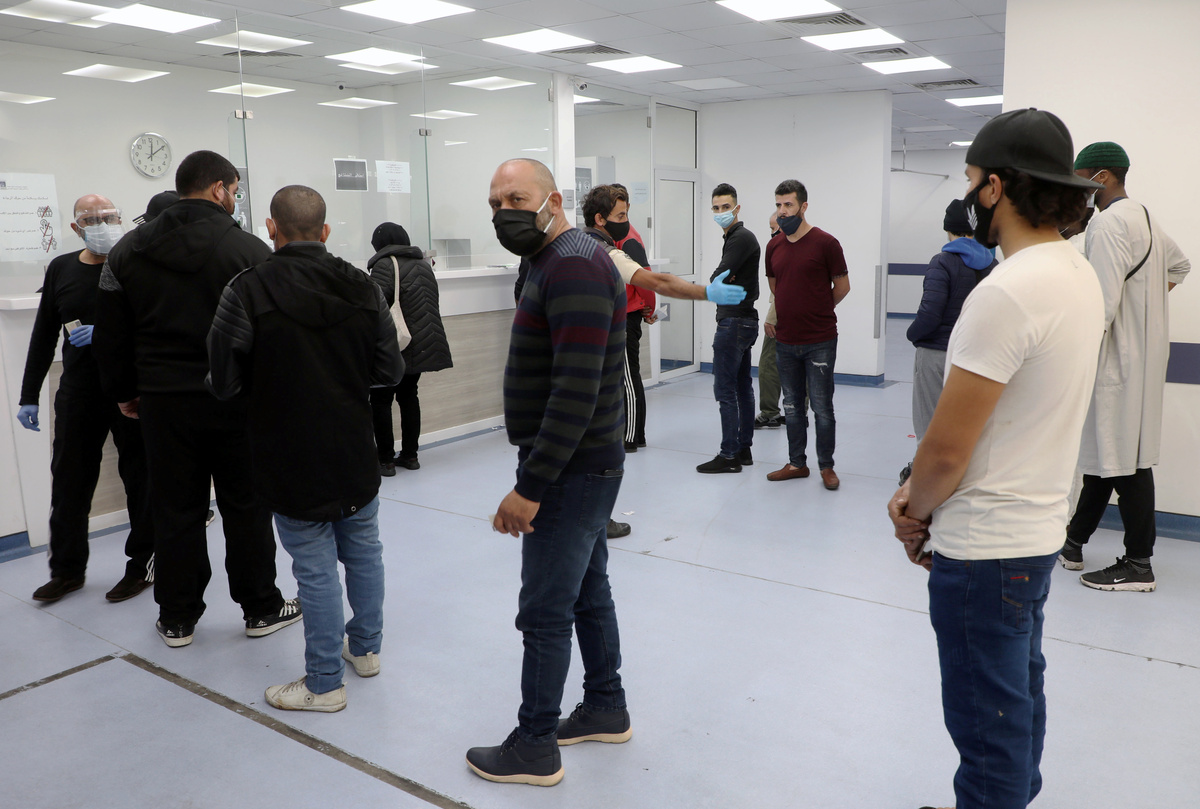
"It is a big problem. In the next ten days it will be very difficult and we are expecting death rates to increase as infections rise," Mahmoud Hassoun, head of the critical care unit at Rafik Hariri hospital, told Reuters.
"We are nearly full now and we haven't even seen the effect of the holiday period yet."
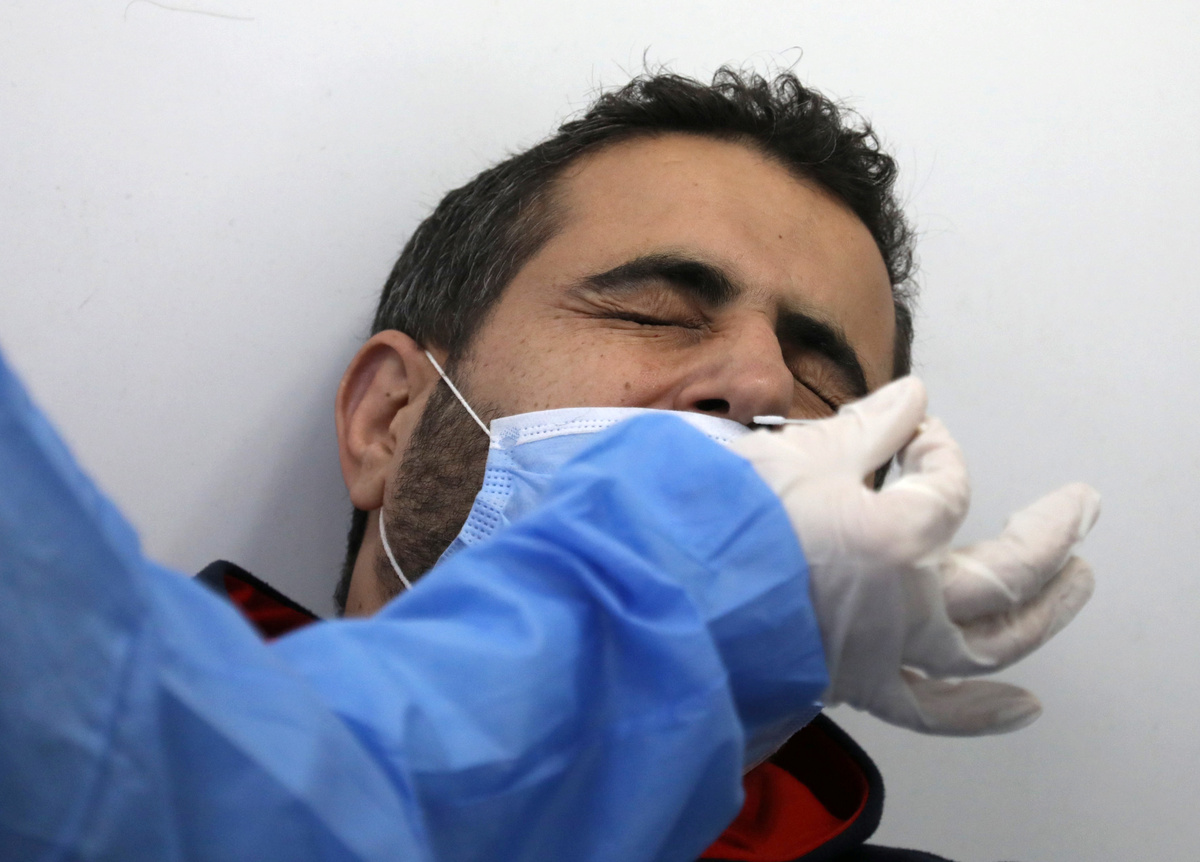
(Reporting by Laila Bassam, Maha El Dahan and Alaa Kanaan; Editing by Giles Elgood)