
Life is short, and we never really know how or when our own will end. There are certain things that are obviously dangerous, or even fatal, like playing with a loaded gun, crossing the street without checking first, or running on slippery, wet tiles. But there are others that some of us do without giving it much of a second thought…
Many doctors, firefighters, paramedics, and other emergency personnel have seen it all. And often, they wish they could have forewarned their patients of how they should or shouldn't have behaved if they didn’t want to end up in the ER, or worse yet, six feet under.
Someone asked the men and women tasked with saving lives, “What’s ONE thing you refuse to do or buy because of the [stuff] you’ve seen?” and many of the answers are worthy of a place on your fridge door, so that you can be reminded every single morning. From never putting your feet on the dashboard to never leaving your children with men, Bored Panda has put together the best responses. If you find yourself doing any of the things on this list, now might be a good time to reconsider.
#1

© Photo: biscuitehs42
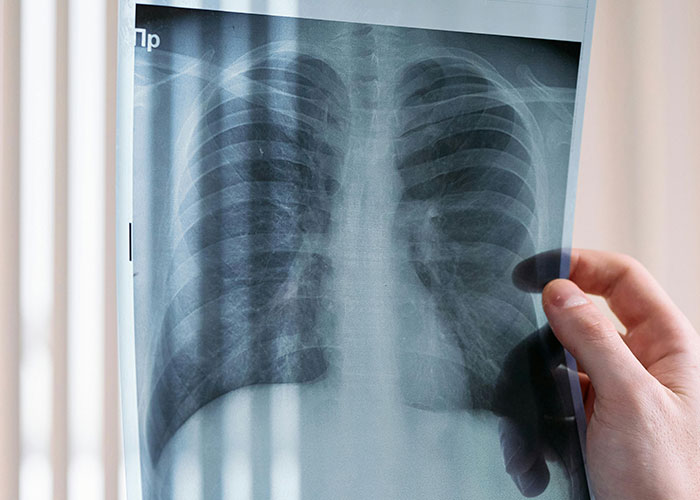
While many of the things listed here are definitely scary, dangerous, and even fatal, noncommunicable diseases (NCDs) are actually the leading culprits when it comes to lives getting cut short. These include heart disease, stroke, cancer, diabetes, and chronic lung disease, and the World Health Organization (WHO) says collectively, NCDs are responsible for 74% of all fatalities worldwide.
According to a fact sheet published by the global health body, cardiovascular diseases claimed at least 19 million lives in 2021, followed by cancers (10 million), chronic respiratory diseases (4 million), and diabetes (over 2 million, including kidney disease deaths caused by diabetes).
If you don't want to fall victim to an NCD - or at least want to lessen your chances - WHO advises you to avoid tobacco use, physical inactivity, the harmful use of alcohol, unhealthy diets, and air pollution. "Detection, screening and treatment of NCDs, as well as palliative care, are key components of the response to NCDs," adds WHO.
#2

© Photo: sweasenforth
#3
© Photo: kc_neutron
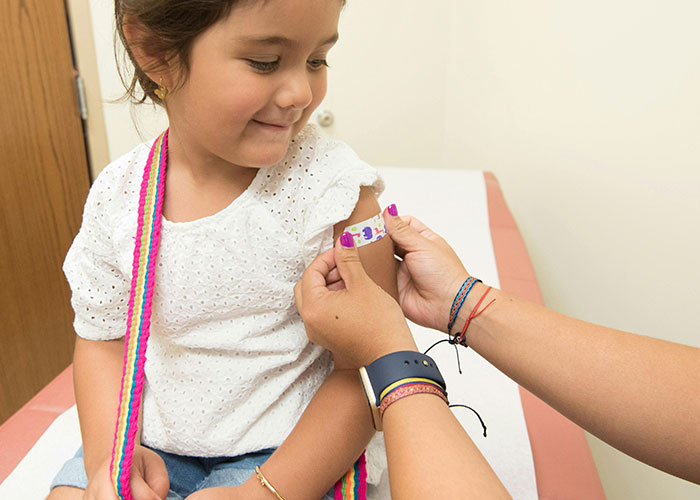
While they're usually associated with older age groups, NCDs can affect people of all ages and regions.
"Children, adults and the elderly are all vulnerable to the risk factors contributing to NCDs, whether from unhealthy diets, physical inactivity, exposure to tobacco smoke, or the harmful use of alcohol or air pollution," warns WHO, adding that unhealthy diets and a lack of physical activity may show up in people as raised blood pressure, increased blood glucose, elevated blood lipids and obesity.
#4
I refuse to call body parts by cute or inaccurate names. I've seen SA cases be pushed aside or horribly delayed because a child genuinely thought that her [private] area was called a "cookie."
#5
#6
© Photo: rnsuzette
Meanwhile, a recent report released by the United Nations has revealed that most of the 4.9 million children who passed away in 2024 could have been saved. Almost half of the total number of children under five were newborns, and many were from Sub-Saharan Africa and South Asia.
"The most common causes were premature birth, pneumonia, and trauma suffered by the child during birth," reported the Guardian, adding that infectious diseases were also a major cause, with malaria leading to 17% of fatalities of children who survived beyond their first month of life.
#7
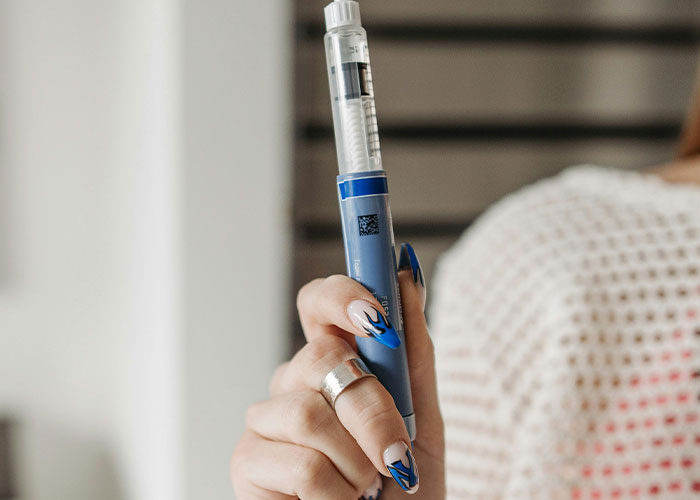
Mounjaro/Ozempic. I've seen so many debilitating, life-altering severe acute pancreatitis secondary to weight loss medications.
© Photo: katvelarde_
#8
1. Sleeping in the same bed as baby 2. Ebikes 3. Allow someone I love to live alone when they are no longer able to take proper care of themselves. The last one might be controversial but I've made it clear to my parents that if they eventually need to be put in a home they will be put in a home. I've seen too many elderly people pass because they fell and couldn't get help.
#9
Sadly, the UN also revealed that 100,000 succumbed directly from severe acute malnutrition, with the highest numbers in Pakistan, Somalia, and Sudan. It added that severe malnutrition was also an underlying cause for many children who passed away from other conditions.
“We are not moving far enough or fast enough and leaving 5 million [children] under the age of five vulnerable,” warns Abdurahman Sharif, senior humanitarian affairs director at Save the Children. Sharif says that aid cuts are leading to increasing preventable child fatalities at a time when needs are increasing. "It’s reversing decades of progress,” he cautioned.
#10
Jump into unknown water reservoir. A lot of stories when men jump and break their spines/get tbi.

© Photo: menace_in_shadow
#11
Several things, but the big one is ride a motorcycle.

© Photo: hail_to_the_ying
#12
Trauma surgeon here, just a few… 1. Ride a motorcycle, ATV, E-bike or electric scooter 2. Hang my arm out of the car window, while driving 3. Put feet on dashboard, while someone is driving 4. Own a gun (I’ll go shooting at a shooting range in a controlled and safe environment), but no guns in my home. 5. No trampolines 6. Set off fireworks while drinking 7. Jump off a large rock, cliff or bridge into a body of water.
Over in the United States, the Centers for Disease Control (CDC) reveals that more Americans pass away from injuries and violence than from any other cause, including cancer, HIV, or the flu. "This makes injury the leading cause of death among persons aged 1-44," notes the CDC website, warning that injuries and violence affect everyone, regardless of age, race, or economic status.
Unintentional injuries include things like overdoses, unintentional poisoning, motor vehicle crashes, and accidental falls. The CDC also reveals that taking one's own life deliberately is now the 2nd leading cause of fatalities for the 1-44 age group in America, and numbers are continuing to rise.
#13
#14
Will never ever ever: Have a "wild pregnancy" or a "free birth". Bed share with my baby. Leave furniture unsecured from the wall.

© Photo: liora.weiss
#15
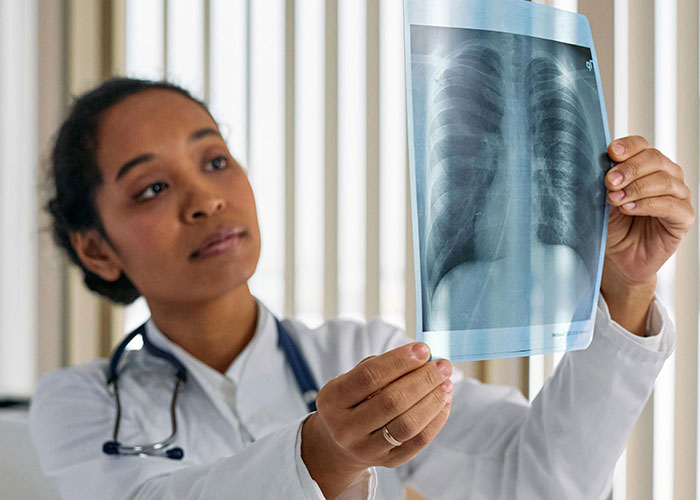
Smoking nicotine ANYTHING. It always catches up.
© Photo: virginia.girl85
Back to the list, and a few emergency workers warned against putting your feet on the dashboard in a car. Here's why, according to Riddle & Riddle Injury Lawyers:
"Airbags deploy between 100 and 220 miles per hour. If you ride with your feet on the dash and you are involved in an accident, the airbag could send your knees through your face, breaking more than your nose."
What to do instead: "Always wear a seatbelt, keep feet on the floor, and sit properly to maximize airbag safety," advise the experts.
#16
Tanning beds.

© Photo: thatonenurseamber
#17
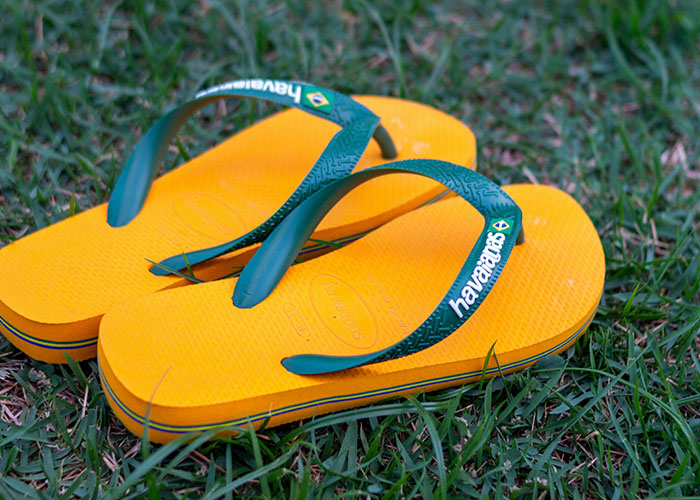
© Photo: hovenweep9
#18
Never burn poison ivy in a fire pit. Just trash it. You would not believe what smoke from a campfire with poison ivy in can do to your lungs!!
#19

© Photo: laurawthegoodhair
#20
Get a chiropractic neck adjustment. I have seen more than one person have a stroke afterwards.

© Photo: tinyket1
#21
Not wear safety goggles when working with metal, wood or literally anything else that could blind you if it got into your eyeball. Drinking and driving and drinking and lighting [stuff] on fire.
#22
Drink heavily, not wear SPF 50 sunscreen, buy cheap sunglasses.
#23
#24
#25
#26
Former med tech, now in lab QA; if I ever receive a diagnosis I don't agree with, I'll definitely request a recollect/retest. You'd be shocked how many samples are mislabeled, leading to patients receiving the wrong results.
#27
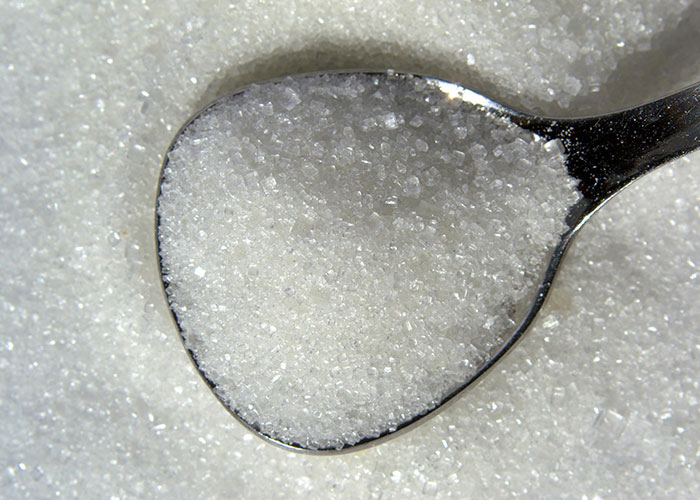
© Photo: inazmab
#28

© Photo: bbbrb22
#29
I’ll never let anyone kiss my newborn baby.

© Photo: callmenursebritt
#30
Ride anything with wheels without a helmet.
#31
Grill brush. I’ve seen one of those bristles perforate intestines.
#32
#33
#34
Not a nurse but my boyfriend is- here’s things he’s told me not to do. Put my feet on the dash. Drive with a claw clip in my hair. Drink from a straw while driving. Take a shower after taking a drowsy med or drinking. Go out in the cold after drinking.
#35
I’m not any of those professions, but I’ve worked in a radiology clinic attached to an emergency department. NEVER EVER EVER wear a claw clip in your hair while in a car.

© Photo: good.girl.behaviour
#36
I’m shocked that more people haven’t mentioned button batteries (the size of a coin). “When a button battery mixes with saliva or moist skin tissue in general, it triggers an alkaline (chemical) reaction that can burn the child in as little as one to two hours. Once this reaction starts, it literally liquefies and dissolves/burns the skin” (Johns Hopkins). Now imagine that inside a child’s stomach.
#37
#38
#39
Eat wild mushrooms.
#40
#41
#42

© Photo: echaney001
#43
#44
#45
#46

© Photo: jchsaab
#47
Stainless steel straws.
#48
#49
#50
Bungee jumping.
#51
#52
Burn tech here. I'm wary of using anything with propane tank. Seen too many incidents from patients because it was not set up right.
#53
I worked in Long term care & Assisted Living. Please get checked for dementia and alzheimer's early! Encourage your parents as well to get cognition test!
#54
Energy drinks.
#55
#56
Never go in a convertible car.
#57
Alcohol, except very occasionally.
#58
#59
Own a glass coffee. DIG HOLES IN THE SAND. Light and throw a firework.
#60
#61
Orbeez.
#62
#63
Candles.
#64
Leave kids unsupervised around mothers' boyfriends. And a lot of other men too, but especially them.
hannahlunarrose:
Leave a child with any male. Even a sibling. I don't have kids yet but my god I'd be careful leaving a child, especially a girl, with any other male. Signed a peads nurse.

© Photo: coppermine94