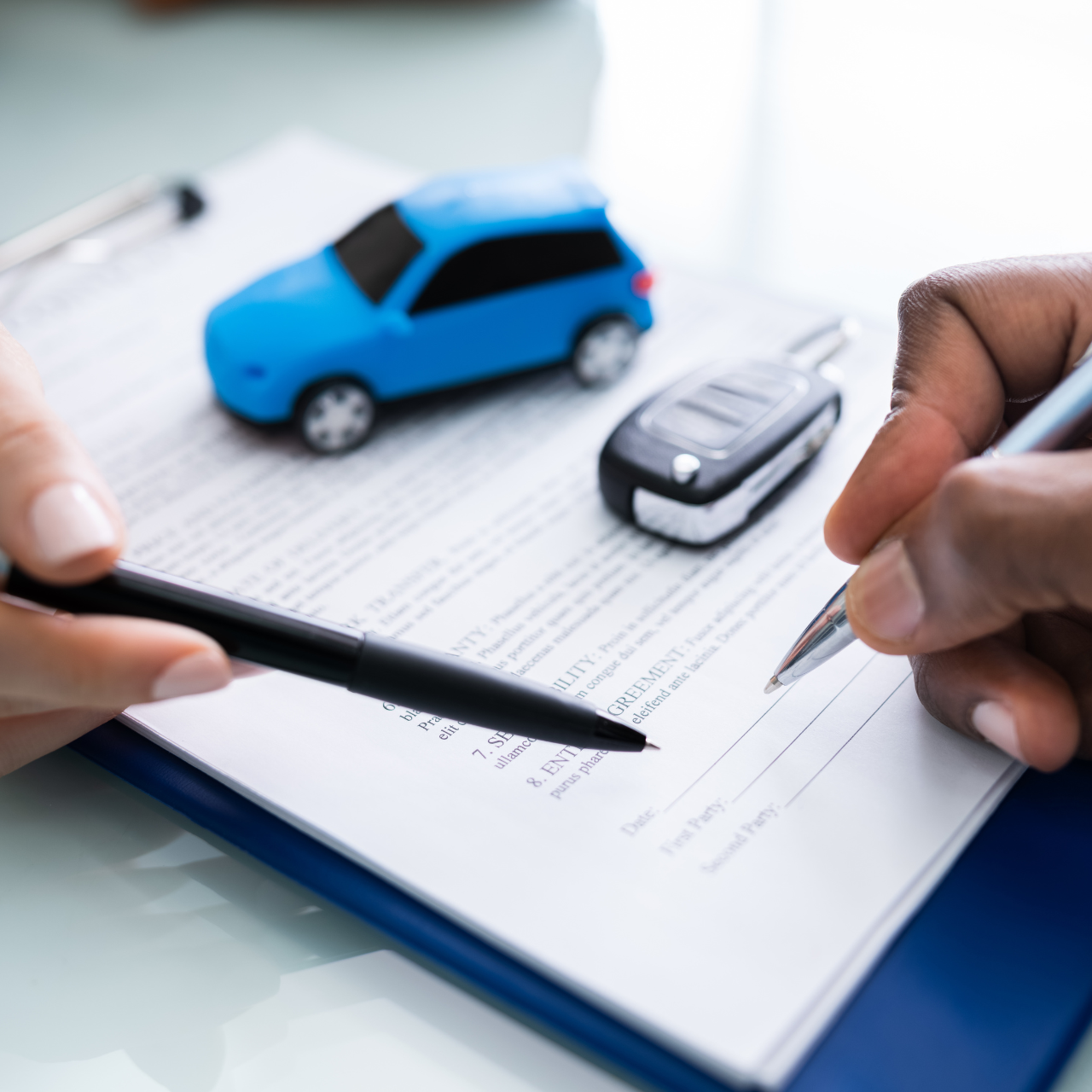
Choosing a new car is exciting, but one of the first big decisions you'll face is: Should you buy or lease? This leasing vs buying car debate has pros and cons on each side. This isn't a one-size-fits-all answer. This article will explore the key factors to help you confidently decide which option is best for your needs and lifestyle.
But before making a decision, it's helpful to use a vehicle loan calculator to understand how potential auto loan rates might affect your monthly payments.
Understanding the Difference Between Leasing and Buying a Car
When you buy a car, you're paying for the entire vehicle and eventually own it outright. This is much like buying a home and may involve exploring options like auto loans or using savings accounts. Once the loan is paid off, it's all yours, and you can sell it or trade it in whenever you choose.
Leasing is more akin to renting. You only pay for the vehicle's depreciation during the lease period, which is usually 2 to 4 years. You have the option to purchase the car at the end of the lease, but you are not obligated to.
Pros and Cons of Buying a Car
Benefits of Buying
One primary benefit of buying is building equity. As you pay down your car loan, you own more of the vehicle. Eventually, your car becomes a valuable asset you can leverage if you need to take out a personal loan or want to get a new car. You also have the freedom to modify the car as you see fit, making it your own. Plus, there's no mileage restriction. This allows for unlimited road trips, commutes, and weekend adventures.
Drawbacks of Buying
Buying can mean higher monthly payments than leasing. You also shoulder the responsibility of all maintenance and repair costs. As cars age, these expenses can become significant. You also bear the risk of depreciation. While you'll eventually own a paid-off car, its resale value might be much lower than the initial price, especially considering vehicles tend to depreciate the most in their early years.
Pros and Cons of Leasing a Car
Benefits of Leasing
The most appealing factor is that leasing generally has lower monthly payments compared to buying the same vehicle. You're only paying for depreciation, not the whole car. This makes it tempting if you want to drive a more expensive car for a smaller monthly payment.
Another appealing factor about leasing is that you get to enjoy a brand-new car every few years with the latest features and technology. It's a bit like always having the newest smartphone. If you crave that new-car smell and enjoy the newest tech, leasing could be a good fit for you. Warranties often cover your lease term, too. You likely won't be responsible for big repair bills. Turning in the leased car is usually pretty painless – no haggling to sell it. In some areas, you might even save on sales taxes with a lease, although this varies.
Drawbacks of Leasing
When leasing, you'll always have a car payment, similar to renting. This continuous cycle of payments might not appeal to those seeking the long-term satisfaction of owning their vehicle. Leases come with mileage restrictions, typically around 10,000-15,000 miles per year, making it a tricky choice for people who drive long distances frequently. Excess mileage charges add up quickly. You have limited options when customizing your vehicle as you're expected to return it in near-original condition, aside from normal wear and tear.
You may face lease-end costs like disposition fees and penalties for excessive wear and tear. These costs are on top of monthly payments, making it critical to account for the whole picture. Also, finding a lease with bad credit is sometimes difficult, as leasing companies generally prefer people with strong credit histories.
The Financials: Total Cost of Leasing vs Buying Car
It's not enough to simply compare monthly payments for a lease vs. buying. You have to understand the big picture and consider the total cost to own. Total cost considers the purchase price, sales taxes, vehicle finance charges, maintenance and repair costs, depreciation, insurance premiums, and any possible end-of-lease fees. Each aspect can significantly affect your budget, influencing your long-term ownership experience. Analyzing total costs will give a more realistic comparison. You may discover the total cost of owning might differ substantially.
Making Your Decision: Is Leasing or Buying Better for Your Lifestyle?
The answer isn’t cut and dry, as the “leasing vs buying car” debate is quite personal. Both approaches have strengths and weaknesses. Weigh those, and consider factors like your driving habits, credit score, and your priorities for ownership, including mileage and budget constraints.
Here’s an analogy to highlight some points: Would you prefer the convenience of renting a furnished apartment, or do you crave the long-term satisfaction of investing in your own home? You can personalize and decorate it freely but assume all responsibilities, from repairs to upkeep. This reflects the contrasting natures of leasing and buying a car. Leasing can be more like enjoying a modern apartment without commitment.
There's no perfect answer when it comes to the question of leasing vs buying car. It's a nuanced topic, depending on your unique situation and goals. Both leasing and buying offer benefits for the right consumer. Carefully evaluate your budget, your needs, and your lifestyle to reach the best choice for your driving experience.