Obesity is a worldwide pandemic and, as we saw again recently, consistently makes headlines as the biggest threat to children’s long-term health.
However, it is a common misconception that this is due to people eating more calories. Research in fact suggests that energy intake has declined since the 1970s, with fat content reducing in our food since the 1980s. Yet around a third of children are overweight or obese as they leave primary school. So what’s behind the headlines and why are they so confusing?
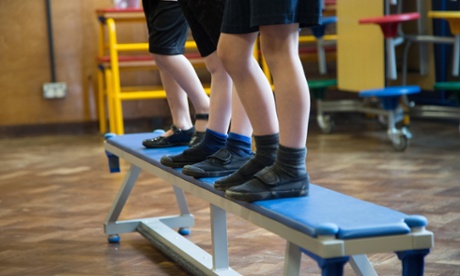
First – and crucially – children around the world have stopped moving. In fact, we are simply not doing enough physical activity to address this decline in physical and emotional health. Recent headlines, as well as the publication of the major parties’ political manifestos, give us cause to reflect on how we all need to move more and more often – and much of this starts with inspiring children to be active at school.
Secondly, many children aren’t eating well. A recent survey for CBBC’s Newsround found most children aren’t getting enough fruit and vegetables. Too many teachers report children turning up for school hungry, or fuelled by little more than energy drinks for a full day of lessons.
Our obesogenic society makes it tough for children to navigate the marketing messages they get about food, and to grasp that cheap doesn’t always mean nutritious. Understanding what it means to eat healthily is a life skill – it’s just as important as learning to read, handle numbers or use a computer. We must make sure our schools are delivering and modelling good food, and a great meal experience must be a key part of every child’s education.
The “energy in versus energy out” equation is one every child needs to be equipped to solve if we’re going to create active, healthy adults of the future. And now’s the time to think about how your school helps children understand the logic in more than just the abstract. Ofsted has focused on a school’s approach to children’s health and wellbeing in the new Common Inspection Framework, so from September you’ll need to be able to show inspectors what your school’s doing to get children moving more and eating well.
A whole-school approach to physical activity and food can increase attendance rates, improve behaviour and have a positive effect on achievement, but with performance pressures and financial burdens placed on our schools, leaders may not always feel empowered to focus on children’s health. For 20 years the Youth Sport Trust has been establishing programmes that develop physical literacy and body confidence, increase opportunities to move and help young people and schools reap the benefits of activity with much success. The Children’s Food Trust has also been helping schools all over the country to give children better, healthier lunchtimes for a decade.
The School Food Plan – universally welcomed as a blueprint for the next phase of school food improvement – has made a strong start, getting more practical cooking into the school curriculum and free meals for all under-sevens. The Primary Sport Premium also sets out the government’s vision for physical education, school sport and physical activity with dedicated investment to every primary school in England. But some schools still find it hard to make time to focus on the dynamic duo of physical activity and good food for children’s health. How do we help them take the plunge?
Every equation needs a method. And when it comes to physical activity and good food, it’s about variety and choice, supporting good skills in the school workforce and weaving healthy lifestyle choices through every part of school life. Giving children the opportunity to explore, have fun and understand their bodies is the key to unlocking the conundrum that currently clouds health and wellbeing of the current and future generations.
It’s an equation we know the answer to: together, we’ve got to do more to pass that knowledge on.
-
National School Sport Week 2015 runs from Monday 22 June. The Youth Sport Trust has set up the Give Me 5 challenge encouraging schools to get their pupils to take part in five hours of PE and sport throughout the week. For more information on how to take part, click here.
-
Get help to get children at your school eating better and cooking more, by visiting the Children’s Food Trust.
Ali Oliver is the Youth Sport Trust chief executive and Linda Cregan Children’s Food Trust chief executive.