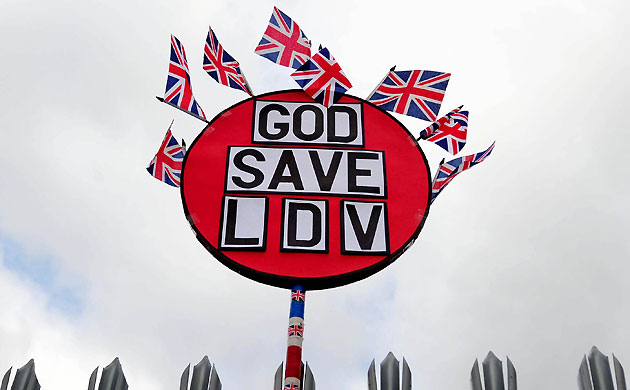
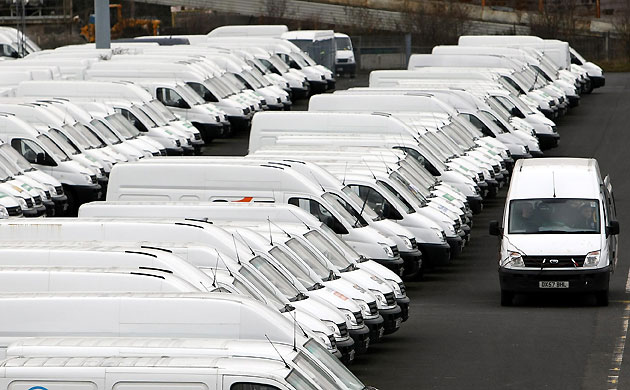
LDV can trace its history back to Leyland Motors, the Lancashire-based builder of buses and trucks that began life in 1895. British Leyland, as it became, was nationalised in 1975 - and LDV was formed in 1993 by a management buyout. LDV is now owned by Russian oligargh Oleg Deripaska, but has now fallen into the hands of administrators at PricewaterhouseCoopersPhotograph: David Jones/PALDV is based at Washwood Heath, Birmingham, where it employs 850 workers. Before the recession struck, it manufactured the Maxus range of vans and minibuses. Production has been suspended for months following the collapse in sales of commercial vehiclesPhotograph: David Jones/PALDV was bought by Russian car giant GAZ in 2006. It is controlled by Oleg Deripaska, the billionare businessman. But despite his links to business secretary Lord Mandelson, Deripaska was unable to secure a deal to save LDVPhotograph: Dmitry Astakhov/EPA
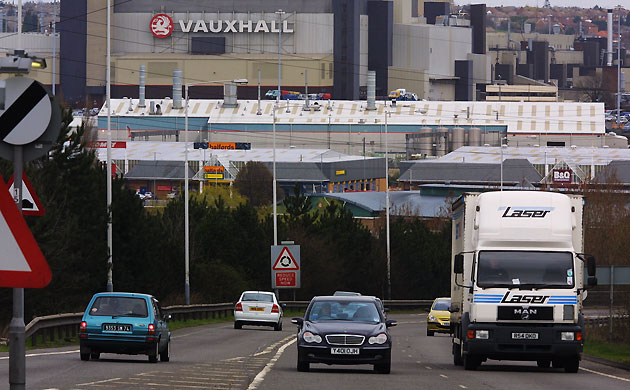
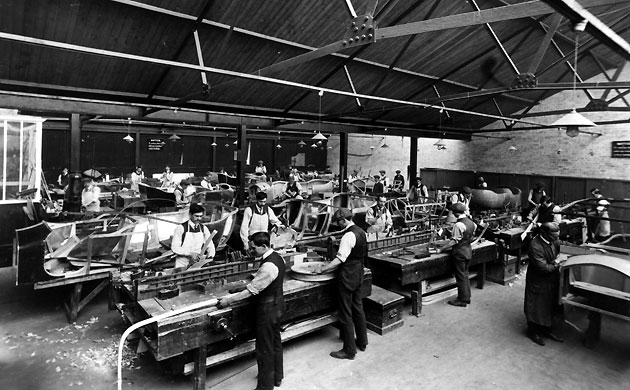
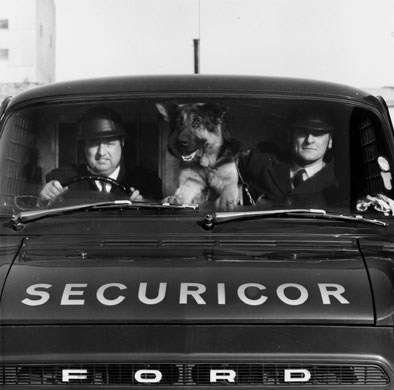
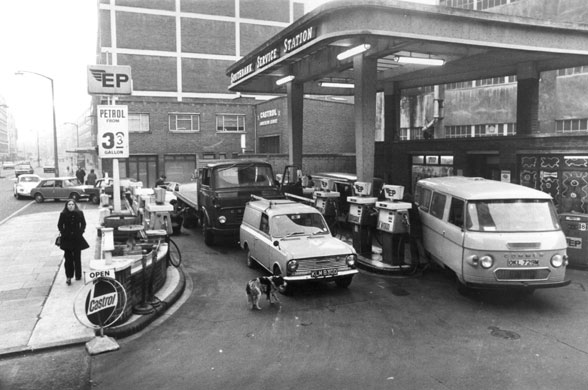
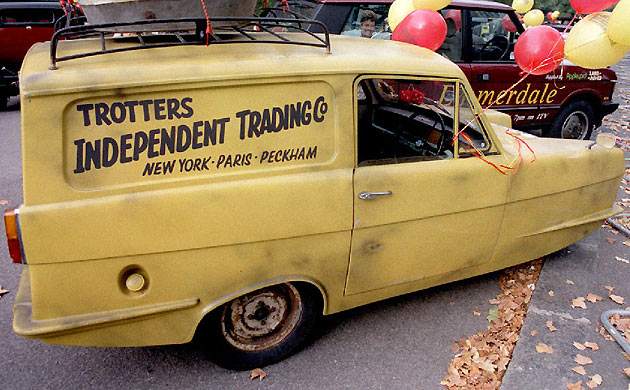
The crisis at LDV is mirrored at Vauxhall, the UK carmaker whose future depends on the rescue of General Motors Europe. Vauxhall’s factories in Luton (pictured) and Ellesmere Port produce the Vivaro, Combo, Astravan, Corsavan and Movano vans, and are said to be among the most efficient plants in Europe. But there are fears that they could still close or suffer heavy layoffsPhotograph: Sean Smith/GuardianThis shows the work of the body mounting shop at the Vauxhall factory in Luton around 1914. Vauxhall’s history dates back even further than LDV to 1857, but it only entered the van market in the 1960s with the Bedford BeaglePhotograph: PRThe Ford Transit has been rolling off British assembly lines for decades. The first generation was made at Ford’s Langley plant in Berkshire, before production later moved to Southampton. Here Securicor guards Steve Connell and Steve Homewood are pictured in a Ford van in 1969, with their Alsatian guard dog 'Carl'Photograph: Tim Graham/Hulton Archive/Getty ImagesFord is so proud of the Transit van legacy that it dubbed it 'The Backbone of Britain'. The popularity of the transit range was partly due to its impressive capacity, which exceeded that of most other commercial rivals. But the slump in car sales has forced workers at the Southampton plant to accept a cut in their shifts, and some analysts fear there could be worse to come Photograph: PRIn the 1960s and 1970s, British Leyland had factories across the country. Here, bodies for the Leyland 20 van are shown being built under contract by Carbodies at their Holyhead Road plant in Coventry, before being transported across the city to Triumph's Canley plant to be united with their chassisPhotograph: Keith Adams/www.aronline.co.ukAnother British manufacturer, Commer, began making buses before the first world war. A series of takeovers and rescues saw it eventually become part of Chrysler. Its products included a range of vans sold to the Post Office. Here a Commer van is shown queuing for fuel at a garage 1973, the year of the oil crisisPhotograph: Evening Standard/ Hulton Archive/Getty ImagesBut although White Van Man has become a popular stereotype of the British worker, some businesses got by with more modest transport ...Photograph: PA
Sign up to read this article
Read news from 100’s of titles, curated specifically for you.