LOS ANGELES _ Ana Corona came from Mexico to California in 1967, following her father, brothers and sisters and joining millions who would live in the United States illegally.
Corona watched as family members got deported and escaped deportation herself. From the moment she crossed the border at age 14, her father reminded her and her siblings that they were in a precarious situation and that, by law, this was not their country.
One day, if they navigated the gantlet of being in the country illegally to become Americans, they should be thankful, her father said.
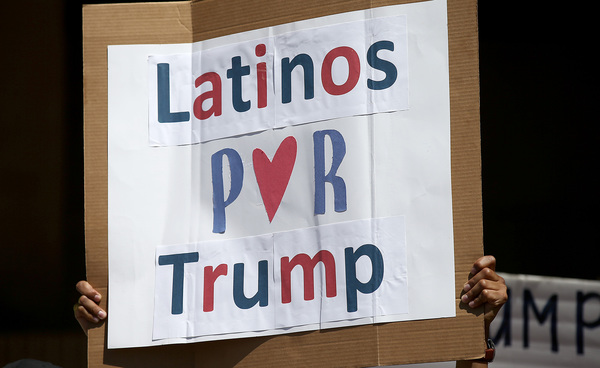
When it came time to vote for president in November, Corona mailed her ballot and voted for Donald J. Trump, a candidate who had spoken, at times, so grimly about illegal immigration and immigrants from Mexico.
"I just think we need to bring this country to what it used to be," Corona said, "and I seriously believe that Trump is going to do it."
Corona, 63, is a minority within America's largest minority group: Though a widely questioned exit poll suggested that about 28 percent of Latinos voted for the Republican president-elect, advocacy groups said less than 20 percent did. In California, some exit polls suggest about 80 percent of Latinos voted for Hillary Clinton.
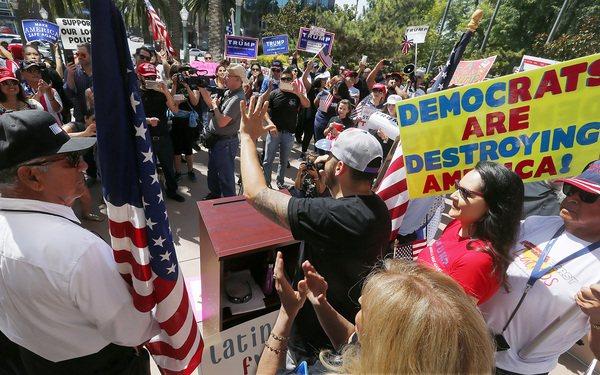
Corona and many Latinos who voted for Trump believed the U.S. was going in the wrong direction and that Trump was the man to fix it. They were well aware of his strong rhetoric against immigrants here illegally, as well as his talk of mass deportations and building a wall along the border.
Some, like Corona, said they simply did not believe that Trump has the power to expel millions of people in the country on a scale to match the rhetoric that stirred his supporters. Others said they would support his tough approach.
"If it's physically possible and we can figure out a way to make it financially fiscally responsible, I don't have an issue with it at all," said Alexis Moran, a 21-year-old UCLA student and president of the Bruin Republicans. "I understand that these are people who are here illegally and a lot of the time they're taking opportunities away from legal citizens."
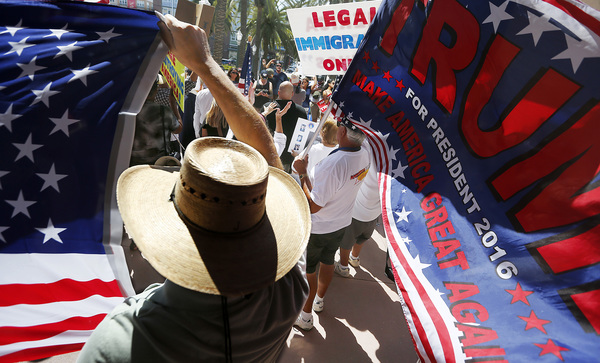
Some Latinos have been called traitors and face criticism from family and friends for their support of Trump. But they believe they will be proved right in the end.
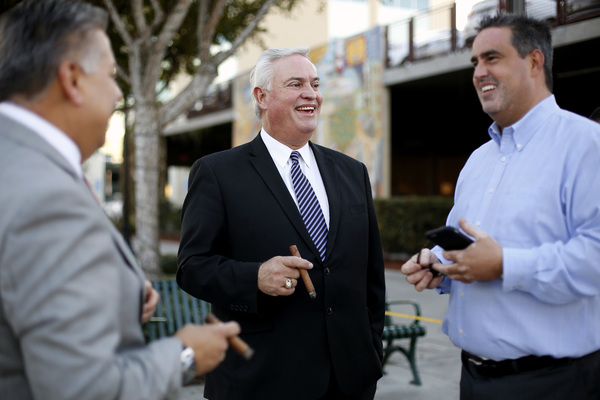
Mario Guerra, a former mayor of Downey and treasurer of the California Republican Party, came to the U.S. when he was age 6 on one of the first "freedom flights," a U.S.-sponsored resettlement of Cubans trying to escape Fidel Castro's Cuba.
Raised Catholic, Guerra is a deacon in the church. Last year, when he was mistakenly listed as a Trump delegate, he received blowback from some in the Latino community, calling him a traitor.
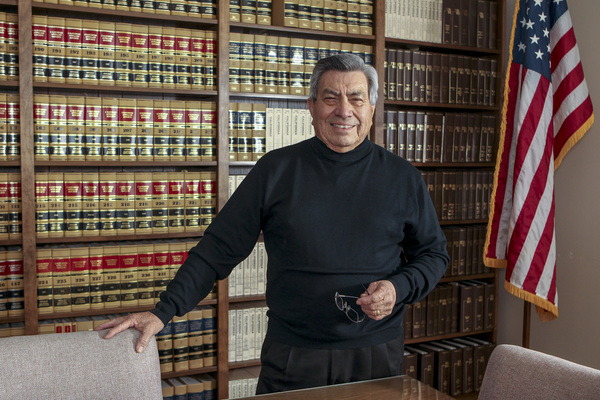
A friend emailed him: "The depth of my disappointment is immeasurable."
But it didn't influence Guerra's vote. He cast his ballot for Trump, wanting, among other things, change in government and a move in a different direction.
"I think there's grown-ups in the room that are helping the transition, and I think we're going to be fine," Guerra said. "I think if he can fulfill some of his business plans, his economic plans, his educational plans _ I think it's going to be great for the Latino people."