The death of a patient in the UK suffering from Lassa fever has heightened concern around the illness after a third case was reported.
The UK Health Security Agency (UKHSA) said it was contacting individuals who had been in close contact with the infected patients after the death was confirmed last week.
Commenting on the recent cases detected in the UK, which were linked to travel to west Africa, Dr Susan Hopkins, chief medical advisor at UKHSA, said: “Cases of Lassa fever are rare in the UK and it does not spread easily between people.
“The overall risk to the public is very low.
“UKHSA and the NHS have well established and robust infection control procedures for dealing with cases of imported infectious disease and these will be reinforced.”
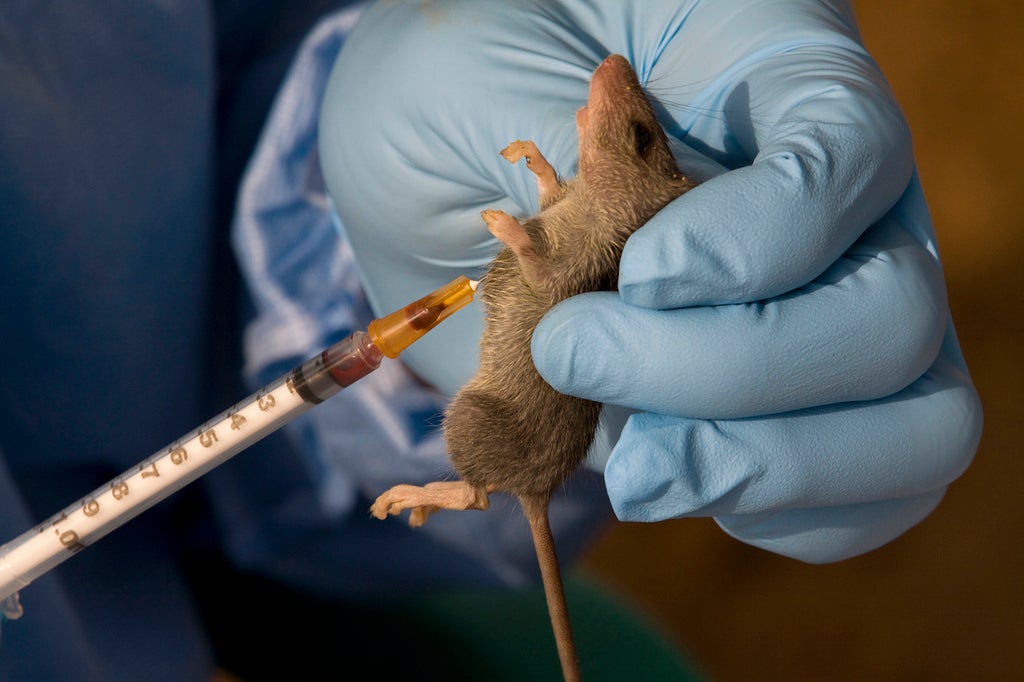
Lassa fever is described as an acute viral haemorrhagic illness caused by the Lassa virus, and people tend to become infected through exposure to food or other items contaminated with infected rat urine or faeces.
The disease, which is endemic in a number of West African countries, can also be spread through infected bodily fluids.
On Monday, Nigerian media reported the latest outbreak in that country had claimed 48 lives already this year, with those in their 20s said to be the predominant age group affected.
According to the World Health Organisation (WHO), the incubation period of Lassa fever ranges from six to 21 days, with the onset of the disease usually developing gradually.
Typical symptoms include a fever, general weakness, headache, sore throat, muscle pain, chest pain, nausea, vomiting, diarrhoea, cough, and abdominal pain, the WHO said.
Facial swelling, fluid in the lung cavity, bleeding from bodily orifices and low blood pressure may also develop in the most severe cases.
This can be followed by shock, seizures, a tremor, disorientation, and coma, and hearing loss occurs in about one in four patients who survive the disease.
The WHO said that in around half of these cases, partial hearing returns over the course of one to three months.
The disease is especially severe late in pregnancy, and death among patients generally tends to occur within two weeks of onset.
Lassa fever initially presents in a similar way to malaria or ebola, making it more difficult to distinguish early on.
Named after the Nigerian town where it was first identified in 1969, Lassa fever is among a US list of ‘category A’ diseases, deemed to have the potential for major public health impact, alongside anthrax and botulism.