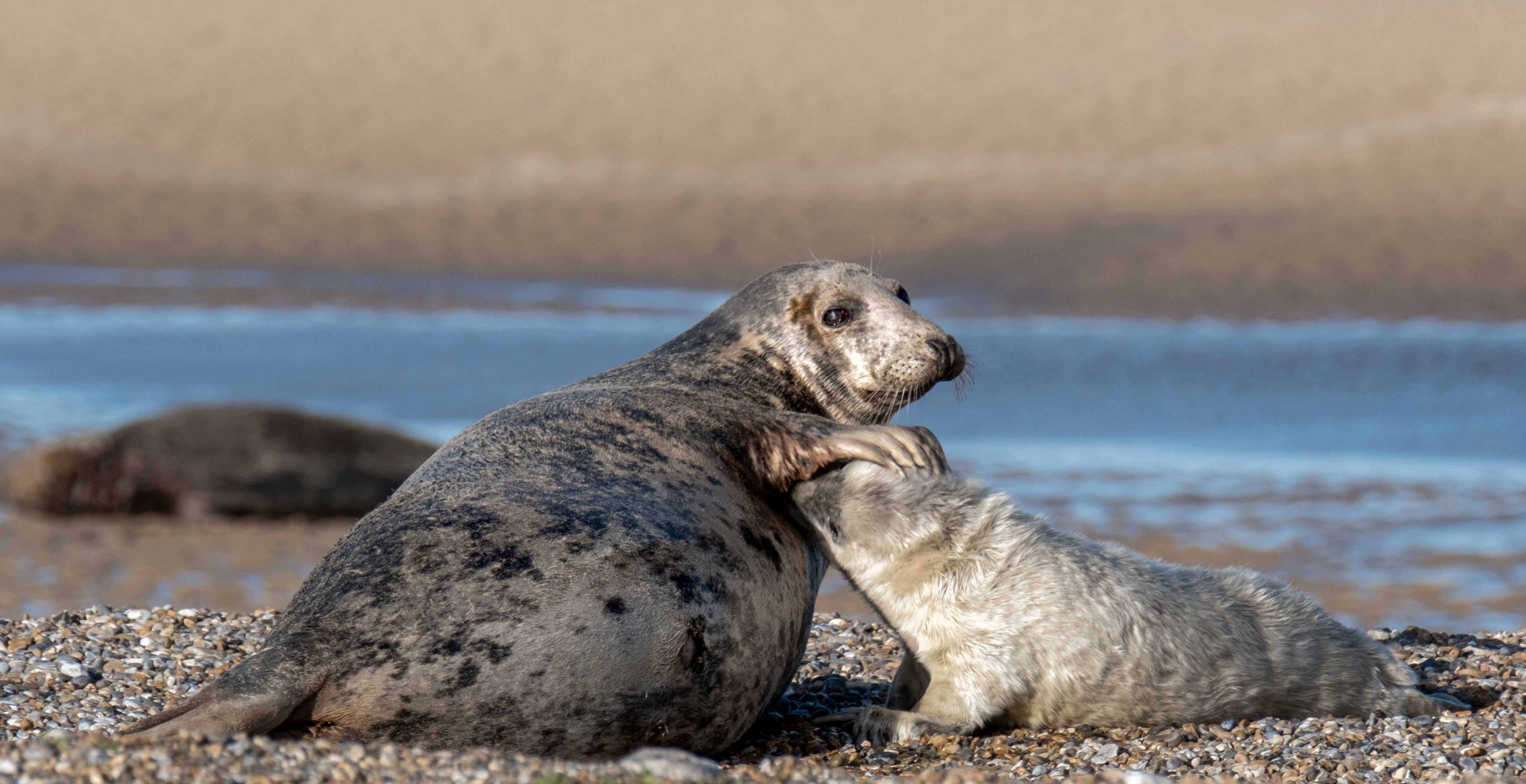
The largest grey seal colony in England is expecting a major baby boom of 4,000 new arrivals this year, the National Trust has said.
Rangers monitoring the colony at Blakeney National Nature Reserve in Norfolk are having to rethink the way they count the numbers of pups born at the breeding ground due to how much it is growing.
Low levels of disturbance and mortality of the pups at the site in the first few weeks of life gave the colony its best chance at increasing numbers, said the Trust. There is also a lack a natural predators on the long shingle spit where they give birth and raise their young.
The first grey seal pup was recorded at the nature reserve in 1988. The colony’s numbers have since exploded, growing from 25 pups born in 2001 to 3,399 pups in 2019.
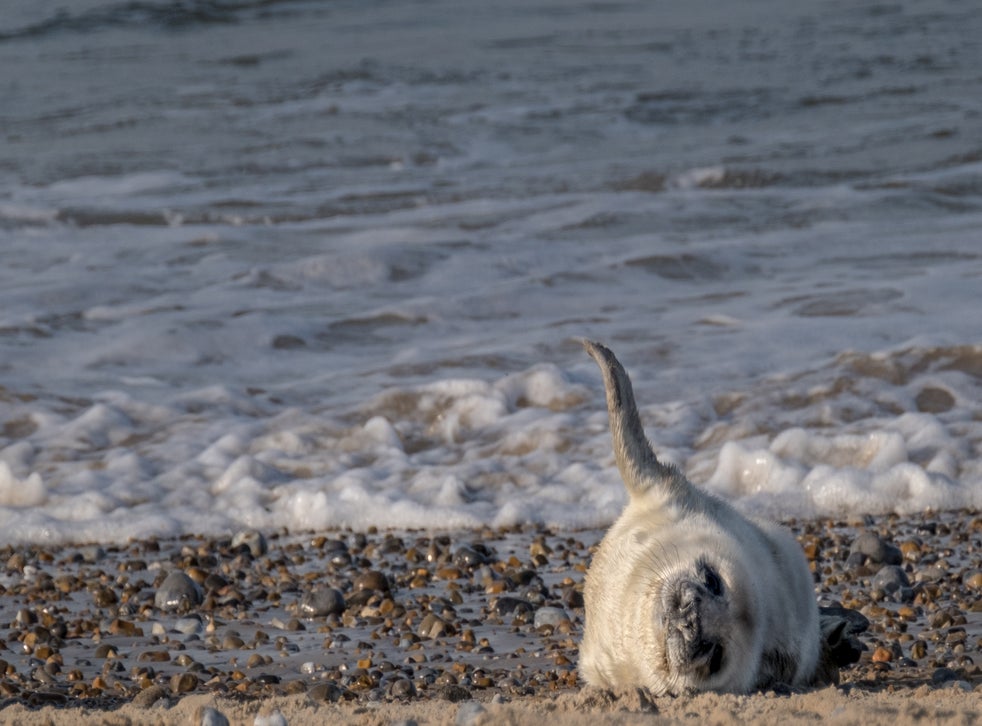
The first pup this year was spotted at the end of October, and around 4,000 new arrivals are expected this breeding season.
But the Trust said the massive numbers of pups being born at Blakeney Point mean it is nearly impossible to count all of them precisely.
Previously, pups were counted individually by rangers and volunteers walking through where the seals lay, but that is no longer a safe method for both the animals or people in the bustling colony.
Instead, the Trust will count newborns and weaned pups in one specific area going forward, with changes in the number of pups in the one area giving an indication of what is happening across the whole colony.
The information will then be fed into the Sea Mammal Research Unit (SMRU) at St Andrew’s University in Scotland, which estimates grey seal productivity for the whole of the UK.
The new method of counting will also give staff the opportunity to observe the seals’ behaviour more closely.
Leighton Newman, a National Trust ranger, said: “When the seals first started pupping here it was really important to count the pups to help us monitor the health of the colony.
“More recently, however, the density of the colony has increased hugely and walking through the colony is now not safe for staff or for the seals.”
“Changing the way we do things recognises that methodologies need to change over time, in response to changes to both the colony itself and the techniques available to help us study it.
“Over the coming years we can hopefully push forward with this new approach but also work with experts and scientists to keep up with any other new or improved methods of monitoring this important colony,” he added.
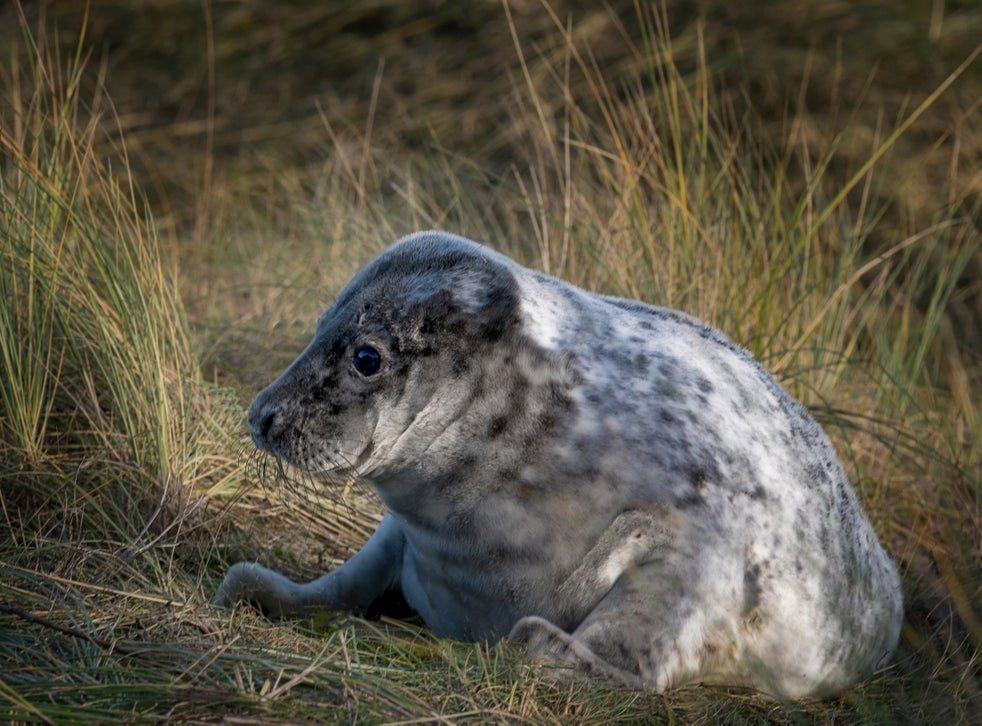
Chris Bielby, Countryside Manager for the Trust on the North Norfolk Coast, said they will work with SMRU to carry out more in-depth research to understand why Blakeney has become “such an important habitat” to the seals.
The team also has plans to work with SMRU in 2021, when they intend to do an aerial count of the colony.
Mr Bielby added: “It will be exciting to get an accurate picture of just how large the colony is and see if by counting just one area we can infer whether or not the colony is increasing in size.”