A significant proportion of people with diabetes may be living with undiagnosed heart failure, a condition new research suggests could be detected by a simple blood test.
The TARTAN-HF trial found one in four diabetic patients, particularly those with other heart failure risk factors, had undiagnosed heart failure. This was identified through screening using a blood test and heart ultrasound.
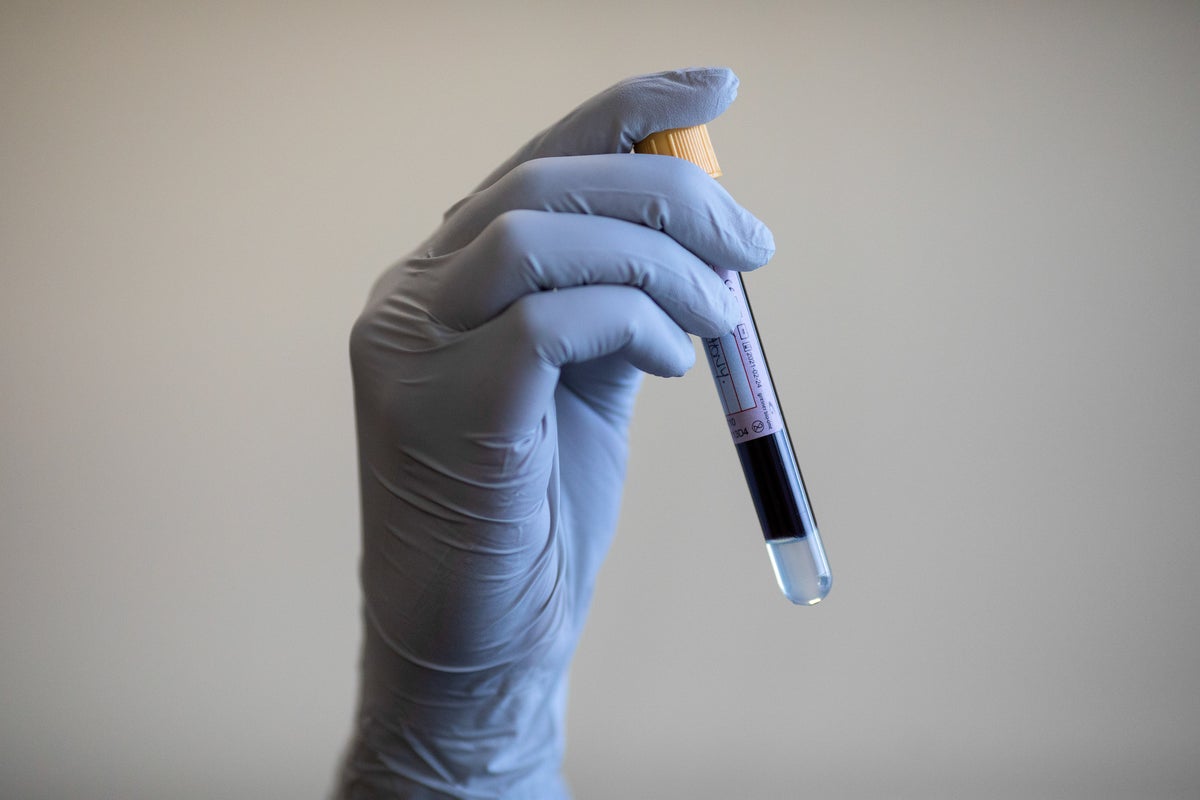
Experts say these findings reveal the extent of unrecognised heart failure in diabetics. They highlight the widely available NT-proBNP blood test, which measures cardiac strain, as an easy detection method.
Implementing a heart failure screening programme for diabetics could improve diagnosis, lead to earlier treatment, and potentially reduce hospitalisation and death.
The study, involving 700 patients, was led by the University of Glasgow in collaboration with AstraZeneca, Roche Diagnostics, Us2.ai, NHS Greater Glasgow & Clyde and NHS Lanarkshire.
Dr Kieran Docherty, clinical senior lecturer at the University of Glasgow’s School of Cardiovascular & Metabolic Health, said: “Our results from the landmark TARTAN-HF trial identified heart failure in a large proportion of people living with diabetes, emphasising the need for a heart failure screening strategy in this group of patients.
“We know that many of the symptoms and signs of heart failure are non-specific, and may go unrecognised as potentially being due to heart failure for a long time.
“The strategy used in our trial is simple and easy to implement in clinical practice, and will aid in the early identification of heart failure in people with diabetes, and facilitate the initiation of medications that we know improve outcomes in patients with heart failure.”
The study, which began more than three years ago, involved more than 700 people with diabetes from the two health board areas who had at least one other risk factor for heart failure.
They were randomly assigned either to receive heart failure screening or to continue with their usual care.
Researchers found screening uncovered a large number of previously unrecognised cases of heart failure.
Around one in four (24.9%) of those screened were found to have the condition within six months, in contrast to only 1% in the group continuing their usual care.
The study, involving patients with type 1 and type 2 diabetes, found almost all of the participants found to have heart failure had preserved ejection fraction, which can be difficult to detect without dedicated testing.
The findings of the TARTAN-HF trial were presented at the American College of Cardiology conference which is taking place from March 28 to 30 in New Orleans in the US.
Dr Edward Piper, medical director at AstraZeneca UK, said: “Delayed diagnosis and treatment of heart failure in people with type 2 diabetes contributes to poor long-term outcomes.
“TARTAN-HF demonstrates that targeted, risk-based screening can identify previously undiagnosed heart failure in approximately one in four high-risk patients with diabetes, enabling earlier intervention with guideline-directed therapy.”
Dr Christian Simon, head of global medical affairs at Roche Diagnostics, said: “We are proud to have supported the landmark TARTAN-HF trial.
“These findings demonstrate the transformative power of early, accessible diagnostics like the NT-proBNP blood test.
“By identifying unrecognised heart failure in people with diabetes, we enable clinicians to initiate appropriate treatments sooner, ultimately improving patient outcomes and lives.”
Landmark tumour mapping could boost targeted breast and ovarian cancer therapies
‘I’ve had six operations for endometriosis – we need another way to diagnose it’
Calls for investigation after well-timed trades anticipate Trump’s announcements
Once a luxury for moms, doula care is going mainstream
Social media blamed as number of people seeking help for body dysmorphia surges
How even sprinting for a bus could help slash risk of major diseases