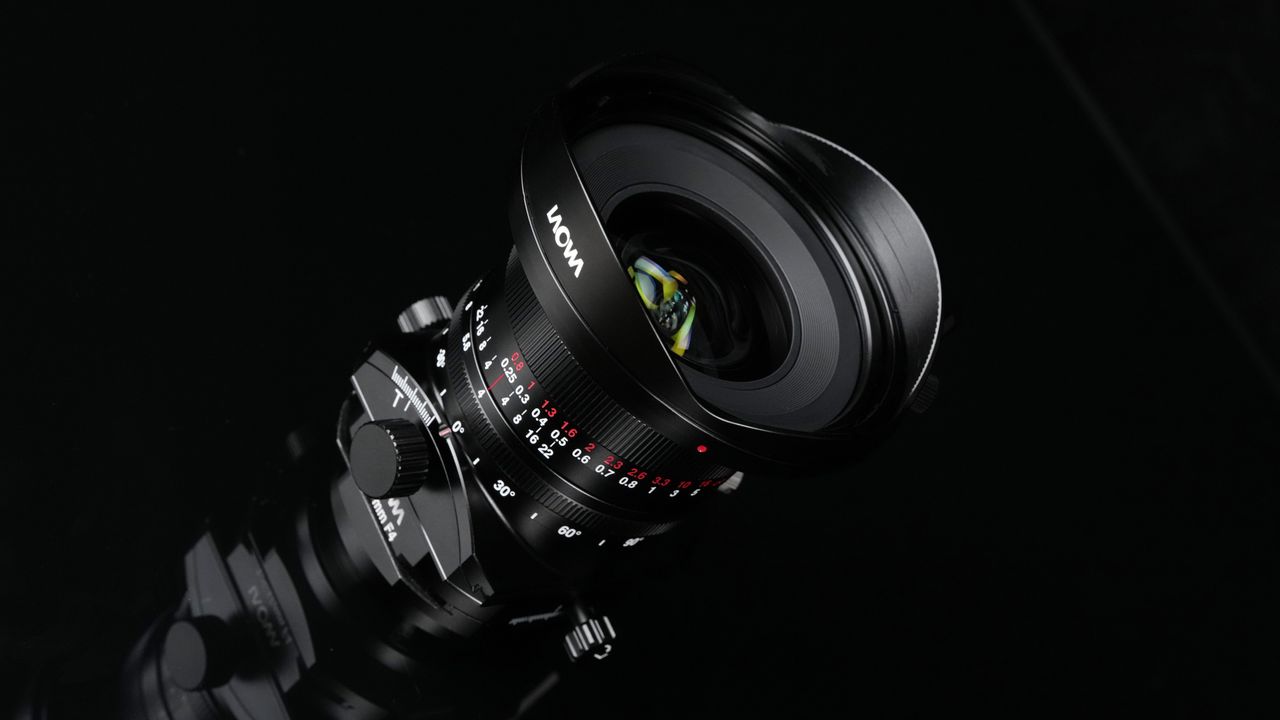
Laowa has launched two new specialist lenses designed for architectural and landscape photography: the Laowa 17mm f/4 Zero-D Tilt-Shift, and the 17mm f/4 Zero-D Shift.
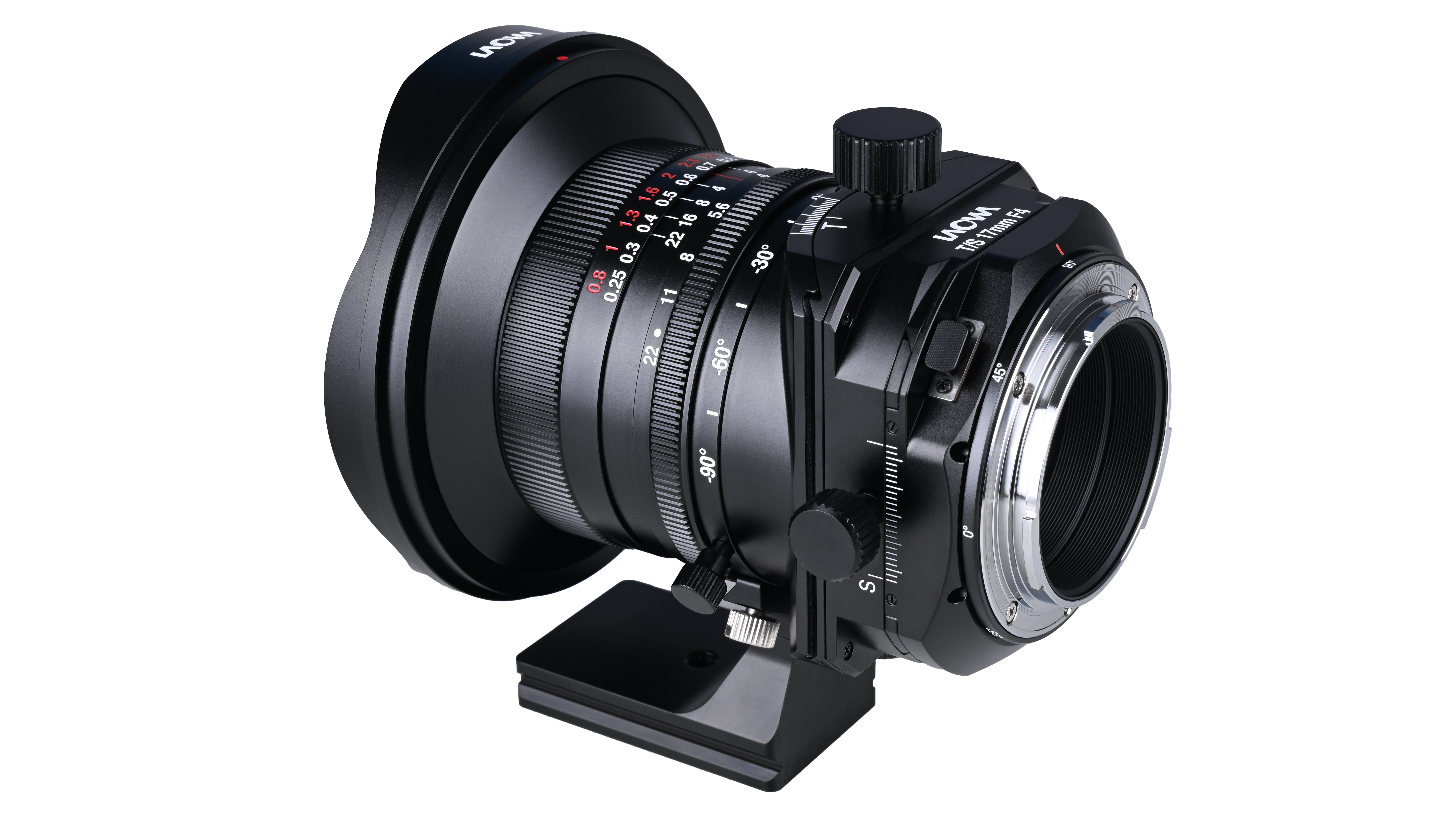
Both lenses benefit from Laowa's signature Zero-D design that minimises optical distortion, while ±12mm shift capability for the tilt-shift version and an ±11mm shift adjustment for the shift-only lens enables you to dial out any keystone effect when shooting architecture.


The lenses are intended to be used with full-frame mirrorless cameras, but their image circles are large enough to enable compatibility with medium format bodies, albeit with a slightly reduced ±8mm shift capability.

The 17mm f/4 Zero-D Tilt-Shift's added shift capability allows you control over the focus plane, making it especially useful for shooting creative compositions with a miniature effect. The tilt-shift version is even more versatile thanks to its 25cm close-focusing ability, letting you emphasize close-up subjects while still preserving a sense of background space.
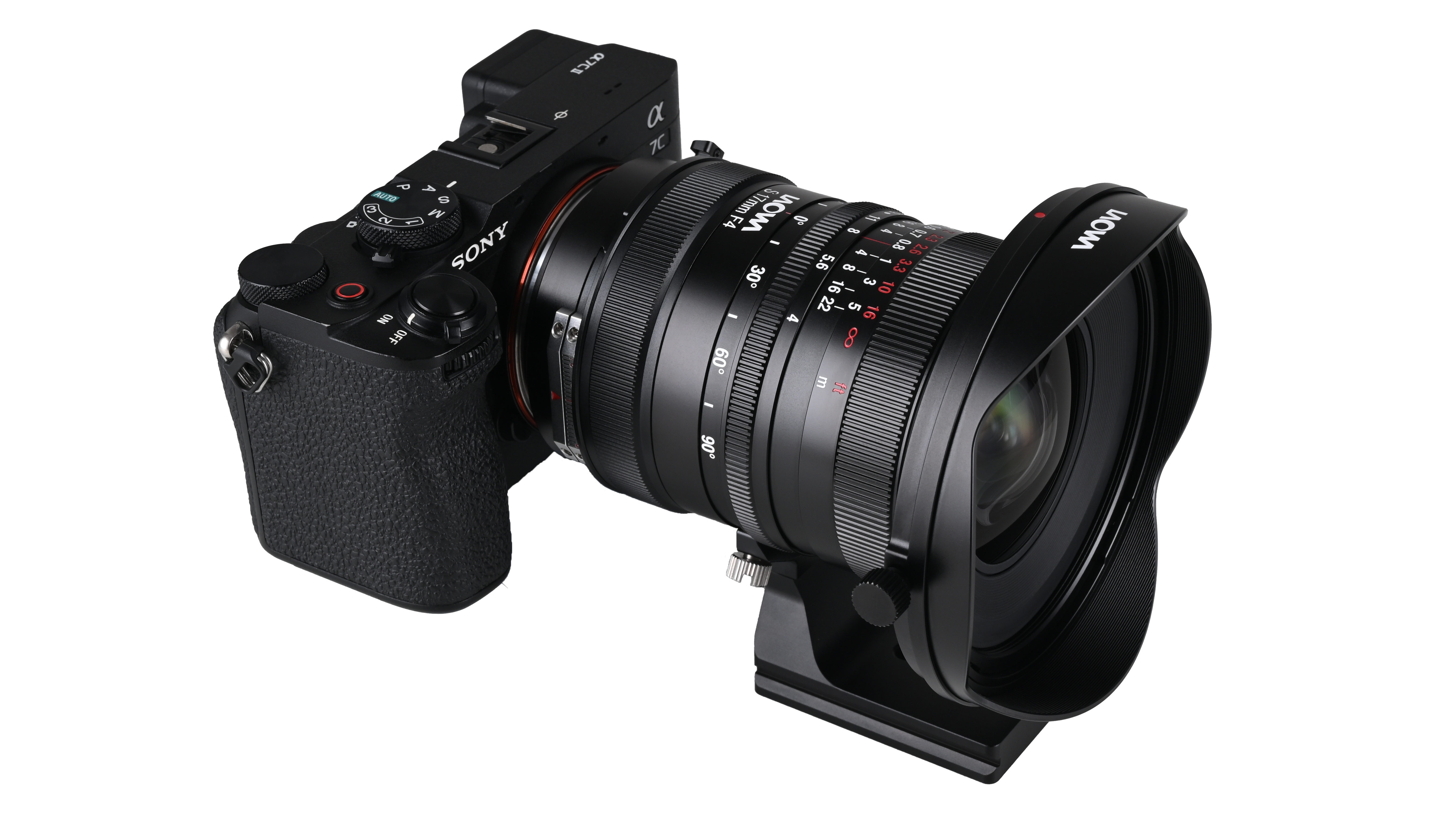
Both lenses are comprised of 18 elements in 12 groups and include an aperture diaphragm with a generous 14 blades for smoother bokeh and a softer, subtler sunstar effect.Laowa has also designed the 17mm f/4 to be simple to use. It has an integrated Arca-Swiss lens foot, allowing it to be mounted directly to an Arca-compatible tripod head - no separate QR plate required. Both versions of the lens also feature a 360-degree lens body rotation mechanism which has clicks every 15 degrees, allowing you to quickly and accurately switch between vertical, horizontal, and diagonal orientations.
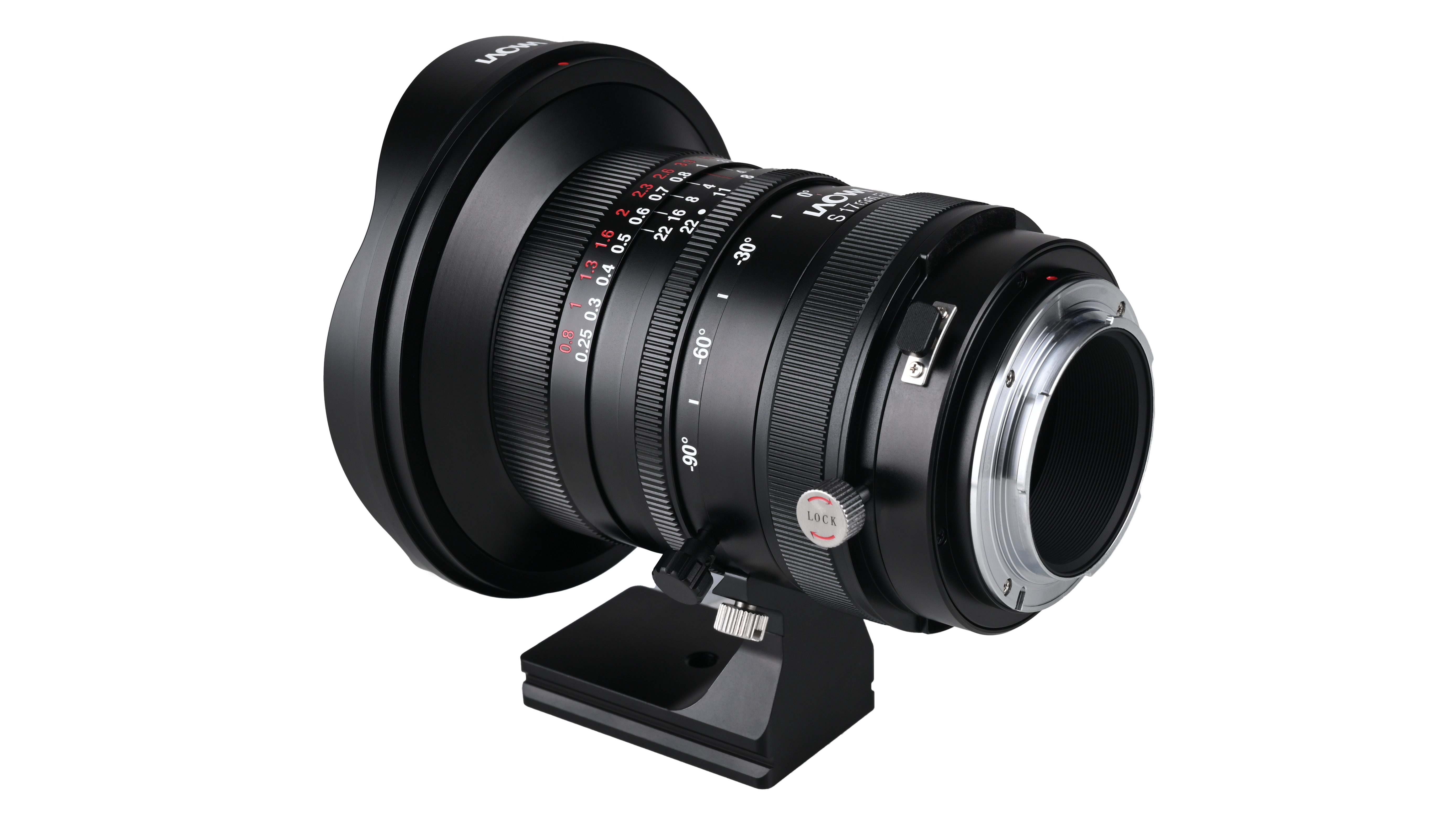
The Laowa 17mm f/4 Zero-D Tilt-Shift and Shift will be available to buy from March 10. Expect to pay $1,249 for the 17mm f/4 Zero-D Tilt-Shift, and $999 for the 17mm f/4 Zero-D Shift. Both lenses are manual focus only and will be available in the following mount options: Sony E, Nikon Z, Canon RF, L Mount, Fujifilm GFX, and Hasselblad XCD (the tilt-shift version is not compatible with the Panasonic Lumix S5 II, S5 IIx, S1 II, S1R II and S1 IIe).