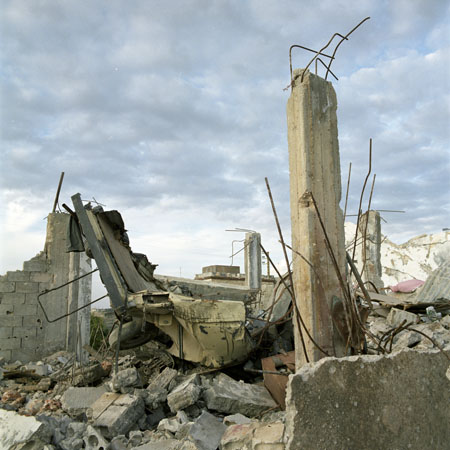
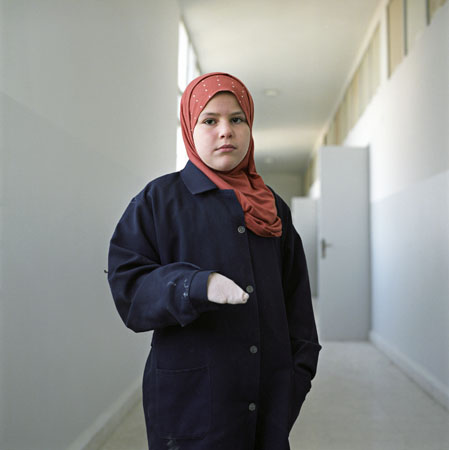
Princess Diana walked through a minefield in Angola to highlight their potential to devastate lives.Photograph: Tim Graham/freelanceFollowing the conflict in southern Lebanon in 2006, it was estimated that up to 1m submunitions lay unexploded on the ground. Clearance initially focused on areas of dense civilian population. On their return, many people found homes and livelihoods destroyed, and access to reclaim their remaining possessions hampered by unexploded bombs.Photograph: Alison Locke/Landmine ActionBy February 16 2007, 70 children had been injured or killed by detonating cluster munitions, 38% of the total civilian deaths and injuries. 11-year-old Zahra was attracted by the small size and curious shape of the submunition. Zahra's mother said: "She said it looked like a toy ... As soon as she picked it up, it exploded, and immediately her thumb blew off. I found her hand torn to shreds and bleeding. So many people were killed in the war, and now they are being killed slowly."Photograph: Alison Locke/Landmine Action
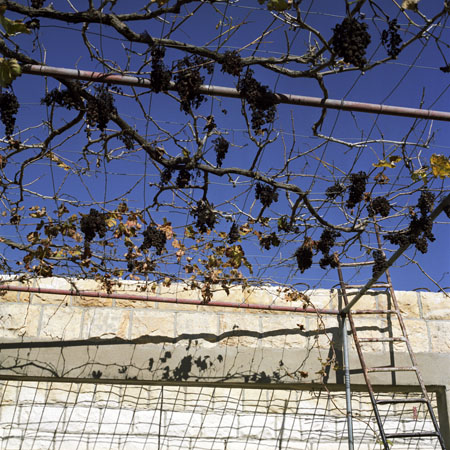
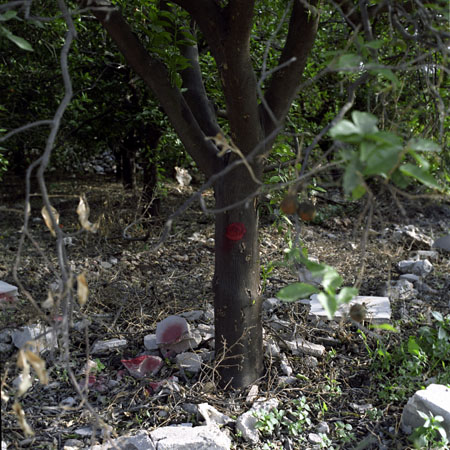
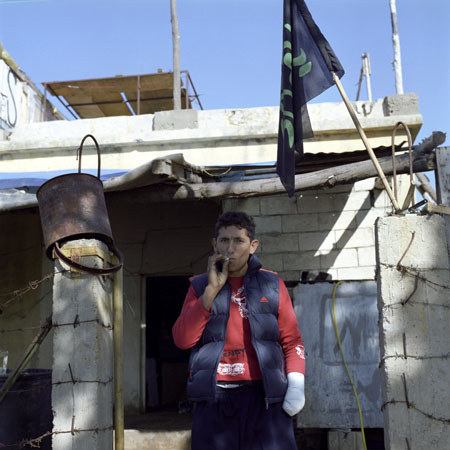
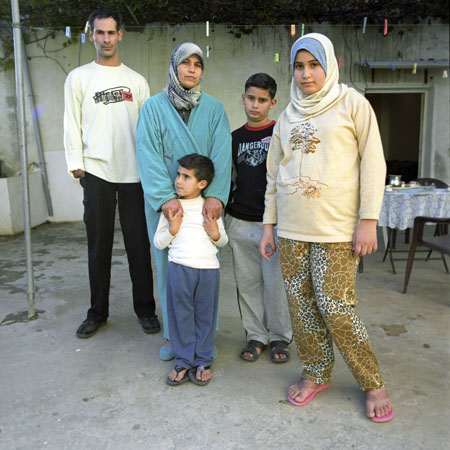
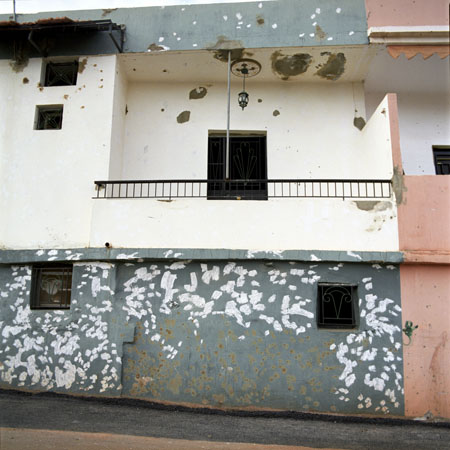
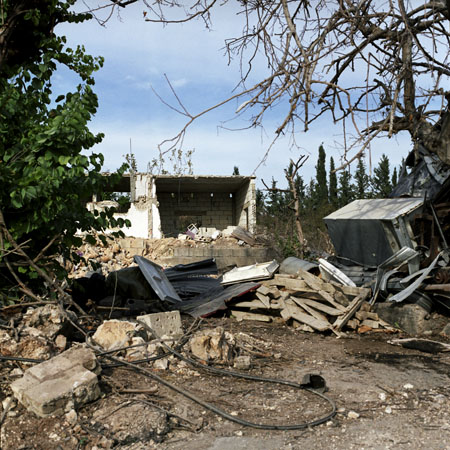
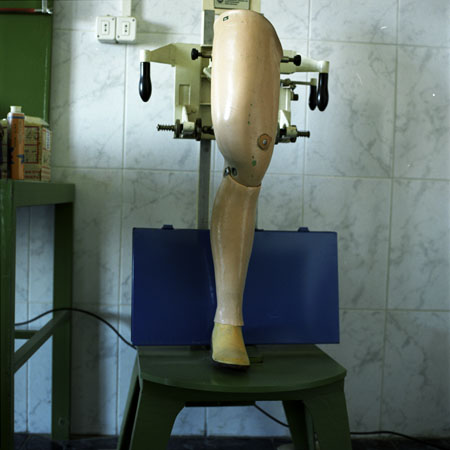
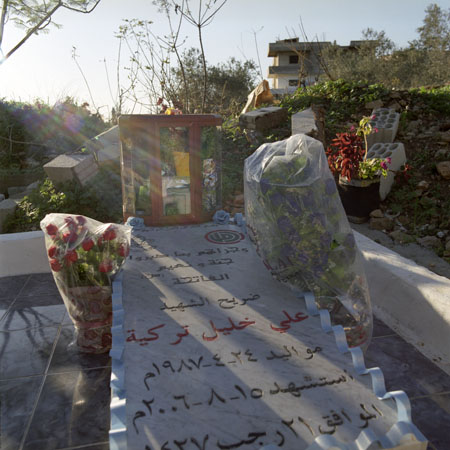
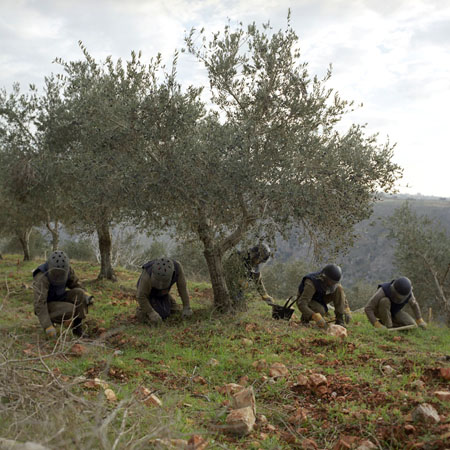
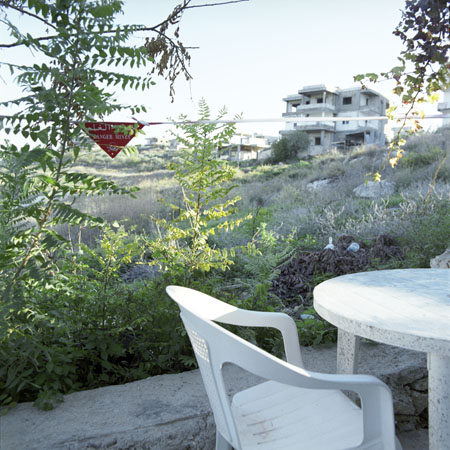
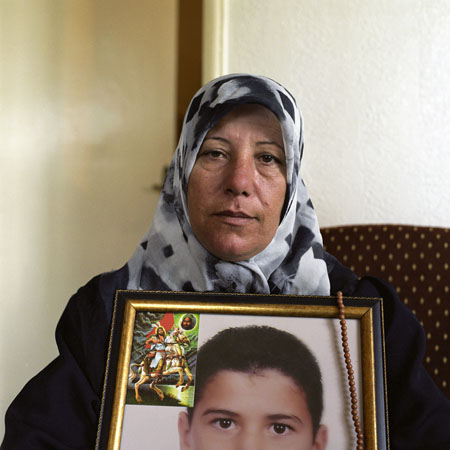
The economy of southern Lebanon relied on agriculture. Now it is estimated that a quarter of cluster bomb-contaminated land is agricultural. Family’s dependant on crops were unable to safely bring in their harvest following the ceasefire, and those still unable to access their land risk losing the season to come. This photo shows unharvested grapes withered on the vine in western Zawtar.Photograph: Alison Locke/Landmine ActionAround 70% of families in southern Lebanon rely on agriculture for their primary source of income. Hassan Hourani was injured in the orange grove where he works which was heavily contaminated with cluster bombs.Photograph: Alison Locke/Landmine ActionHassan, 20, is a seasonal agricultural worker. The photograph was taken 12 days after he lost his left hand and sustained shrapnel wounds in his legs and right hand. He said: “I used to work. It's been very tough. I used to help my family financially, and now I can't. What future is there without a hand? That’s like losing your life. In my work my hand was everything."Photograph: Alison Locke/Landmine ActionMohamad Ishmail was injured on 10 September 2006 in Bazouria. He said: "I work at sea. I was pulling in nets, when we found a cluster bomb caught in the net. As soon as I touched it, it blew up. My hand has been amputated. From my neck down my arm, the muscle has gone completely, it's just skin on bone ... Part of my ear was also blown off, and my hearing is very weak. My eyesight is bad. I get strong dizzy spells, I move about like a toddler afraid to fall over.”Photograph: Alison Locke/Landmine ActionA cluster bomb-damaged house in Yohmor. A single artillery shell disperses submunitions over an area as large as two football pitches. Air delivered weapons saturate an area twice that size.Photograph: Alison Locke/Landmine ActionFollowing the ceasefire on the 14 August, the Siklawi family returned to discover their home completely destroyed. The surrounding land on which the depended to make their living was heavily contaminated with cluster bombs. Photograph: Alison Locke/Landmine ActionProsthetic limb workshop, West Bekaa. The Israeli use of cluster bombs in both 1978 and 1982 caused civilian casualties at the time of use because the area affect of the weapons extended beyond specific military targets. Unexploded submunitions continue to claim civilian casualties more than 25 years since the initial attacks. Many injuries caused by cluster bombs result in a lifetime of disability.Photograph: Alison Locke/Landmine ActionAli Khalil Turkeyeh was killed a day after the war ended, in Zawtar Al Gharbbieh. By February 16 2007, unexploded cluster bombs had killed or wounded, on average, at least one person everyday since the end of the war in August 2006. On the day of the ceasefire, Ali Turkeyeh, 19, was killed instantly when he climbed into a grapevine to recover the harvest and detonated a cluster bomb caught in the vine.Photograph: Alison Locke/Landmine ActionMines Advisory Group clearance operators work in an olive grove at the height of the olive harvest. Unexploded submunitions cause serious problems for returnees and organisations trying to provide humanitarian assistance, and these lethal bombs will continue to pose a threat in the future.Photograph: Alison Locke/Landmine ActionFamily garden in Deir Kanoun Ras El Ein. About 60% of Israeli cluster bomb strikes on southern Lebanon in 2006 hit built-up areas. The dense contamination of unexploded submunitions has been a significant cause of civilian deaths and injuries since the conflict.Photograph: Alison Locke/Landmine ActionHadi Mohamad Hattab, 11, was killed on the day the ceasefire started: 14 August 2006, in Habboush. His mother, Wafaa Al Khatib said: "We spent 33 days here under fire during the war. One day before the ceasefire we heard bombing over the village. The boy went out to see what had been hit, and he stepped on a cluster bomb. When we heard him screaming, we all rushed out to see why. He said: here I am Mother, and stretched out his hand to me. I held him in my arms. My son was killed right away.”Photograph: Alison Locke/Landmine Action
Sign up to read this article
Read news from 100’s of titles, curated specifically for you.