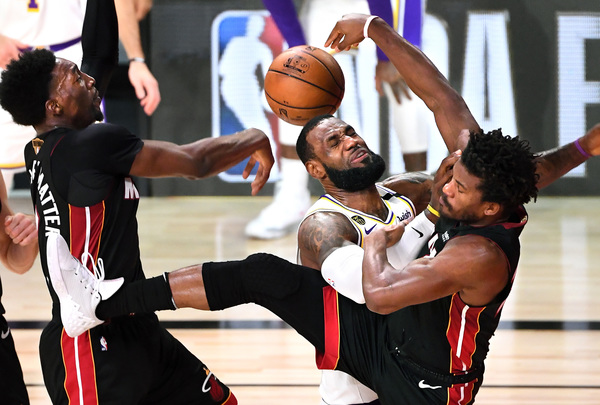
ORLANDO, Fla. _ Through the darkness and drama, the questions about whether the Los Angeles Lakers' luster was gone forever, remained the hope that a day like this would happen again.
The Lakers are NBA champions for the 17th time, defeating the Miami Heat 106-93 on Sunday.
This time they did it in a gym shaped like Mickey Mouse with two superstars who came to resuscitate the franchise. As Anthony Davis and LeBron James achieved their goal, they could hardly believe it. James followed Davis into the back of the arena where no one could see them. They emerged with James' arms around Davis' shoulders, the two of them bouncing and grinning.
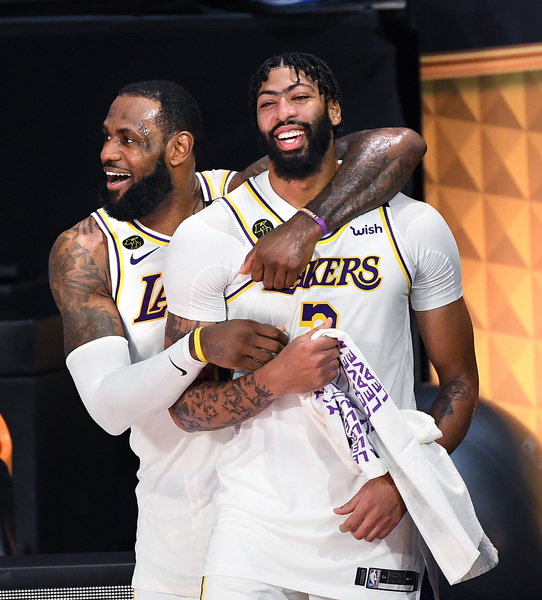
At the end of a strange, heartbreaking season _ the longest NBA season ever _ James won his fourth championship. He notched a triple double in the clinching game.
It didn't look like the rest. It didn't happen at home or on the road. There weren't fans, hostile or friendly, there wasn't a familiar ride to an arena. There was just basketball in a bubble that protected them from a global pandemic that had gripped the nation. They remained on this campus in Orlando, steeling themselves for a mentally taxing existence, aided by the knowledge of their grander mission.
James wanted the chance to make history. He wanted to tell a story no one else could _ that of a transcendent basketball player who came to Los Angeles to save the Lakers. He faced a skeptical fan base that needed proof he could do it _ that vandalized murals that dared suggest James was their king.
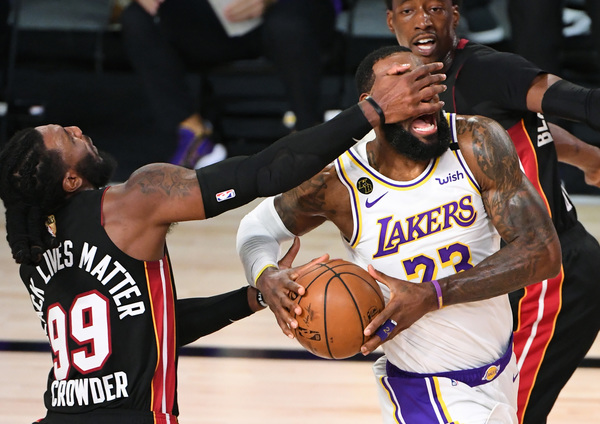
The LeBron James Era started with losses and the first serious injury of his career. Magic Johnson's resignation in the spring of 2019 caught him by surprise, and his patience was tested by a group of 20-somethings who wanted to impress him but didn't know how.
The Lakers missed the playoffs for an unthinkable seventh consecutive year.
The reset in the summer of 2019 wasn't smooth or painless, but it set the stage for a major recovery. It gave James the co-star he had yearned for _ publicly at times. Anthony Davis
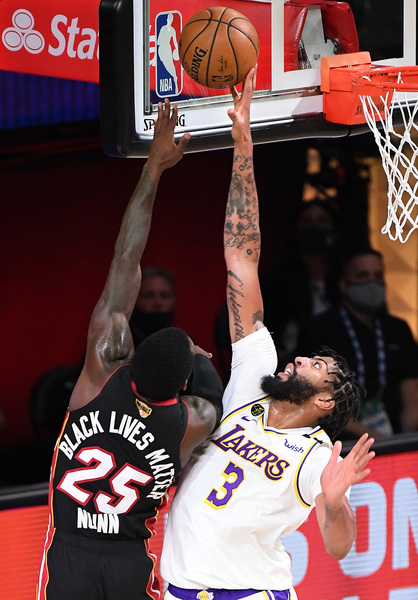
This adage had stopped being true in the NBA: what the Lakers want the Lakers get.
But it had been replaced by a modern NBA adage _ what star players want star players get. And these stars wanted to play for the Lakers.
James and Davis were perfect together. They won 24 of their first 27 games. They balked at the insistence that they weren't beating strong teams. They began waiting for each other to leave the court after games, like best friends on a playground, though they had a much more serious purpose.
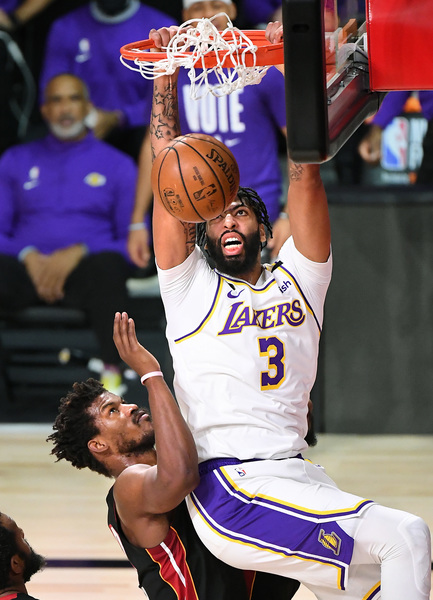
They got through a December lull and stormed through January. On Jan. 25, James passed Kobe Bryant on the all-time scoring list during a game in Bryant's hometown of Philadelphia. Bryant congratulated him on Twitter.
On their flight back to the West Coast, Lakers center Dwight Howard woke his teammates up to a nightmare. Bryant's helicopter had crashed in Calabasas, California. He and his 13-year-old daughter Gianna, were dead. So were seven other people that were on the plane with them.
They cried together and they hugged each other and cried on the tarmac before they left each other, as the rest of the city did the same. James left the plane that day, and broke down sobbing _ his colossal shoulders shook with each breath.
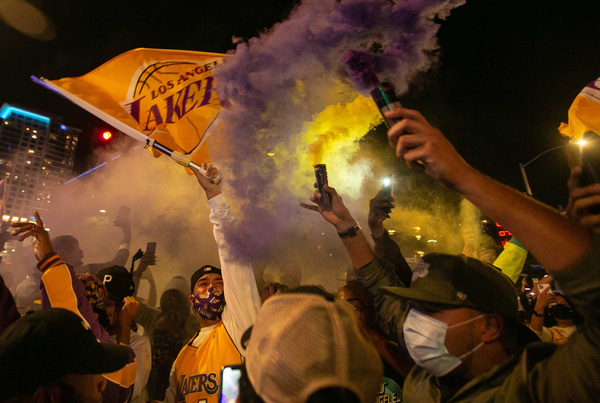
In a team meeting later that week, James told his teammates and everyone there that his shoulders were broad enough to carry them all through this. All they had to do was hang on.
The team became a living tribute to Bryant _ never allowed to forget his loss. They didn't mind. They wanted the pressure that came with dedicating the rest of their season to him. They wore the black snake-printed jerseys he designed.
They did the thing he cared about more than anything except his family _ they went back to winning.
When the COVID-19 pandemic disrupted the season, they waited. And when the league concocted its bubble plan, James never hesitated to join.
He hated it.
But if this is what it took to win a championship, so be it.
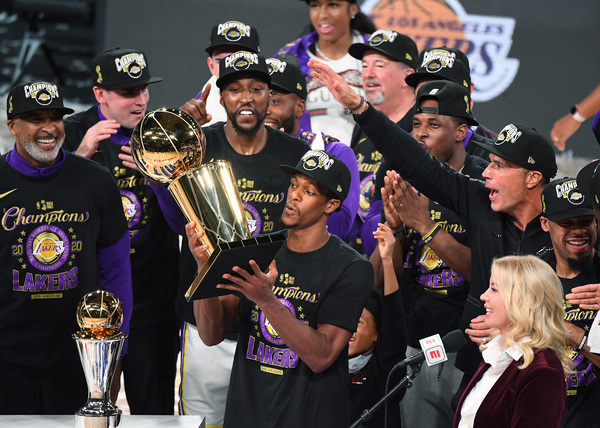
After everything he'd been through for the past 15 months, nothing would get in his way.
He had played more playoff games than anybody in NBA history _ he knew what it took. He had been to 10 Finals _ more than any active player.
He led the Lakers to quick wins over the Portland Trail Blazers, the Houston Rockets and the Denver Nuggets.
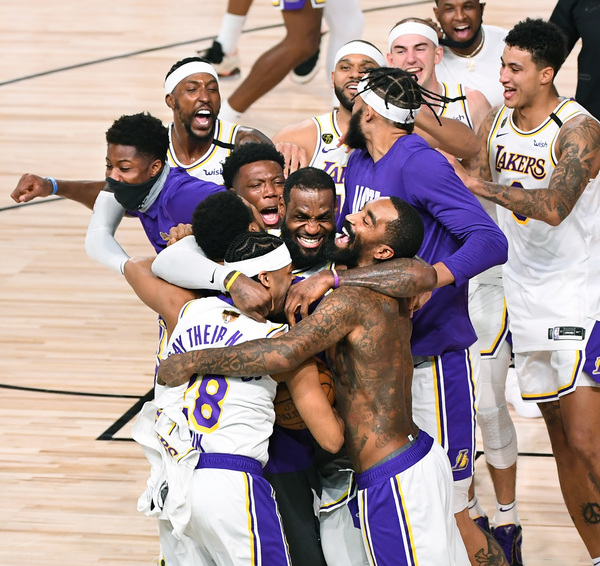
Then came time to face the organization that taught him how to become a champion.
The Heat were not scared of LeBron James. They weren't even supposed to be in the Finals. They entered the playoffs as the fifth seed in the Eastern Conference, led by a brash superstar in Jimmy Butler who'd curiously picked them last summer, and a gaggle of young and talented players who Butler believed in fiercely.
They seemed dead after losses in Games 1 and 2, especially after losing starters Bam Adebayo and Goran Dragic to injuries. They were not, in fact, dead.
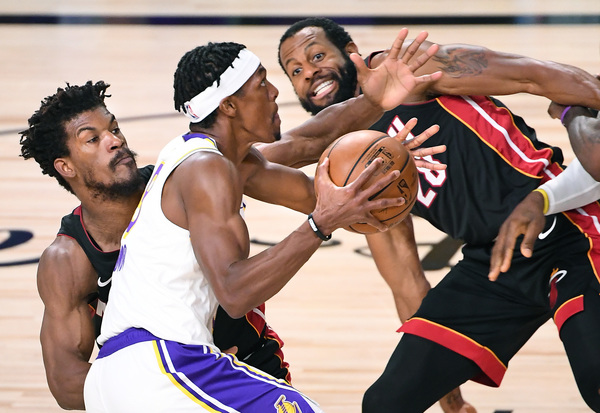
They punched back against Lakers runs. They took Games 3 and 5. They turned Lakers miscues into costly turnovers and played Butler until he could barely stand. He became the first player in NBA history to notch two 30-point triple doubles in his first NBA Finals. He was only the second to ever do it in the Finals, joining James.
In the end, though, the Lakers remembered who they were.
They were part of the sparkle of this franchise sure, but they were a tough defensive team who could dominate their opponents.
In Game 6, the Lakers held the Heat to 36 first-half points. They held Butler to just 12 points in the entire game. He checked out with two minutes remaining, and the Lakers prepared their celebration.