The failure to enact the 25-year-old recommendations of the royal commission into Aboriginal deaths in custody is “unforgivable” and overshadows modern efforts to reform the justice system, the acting Aboriginal and Torres Strait Islander justice commissioner has said.
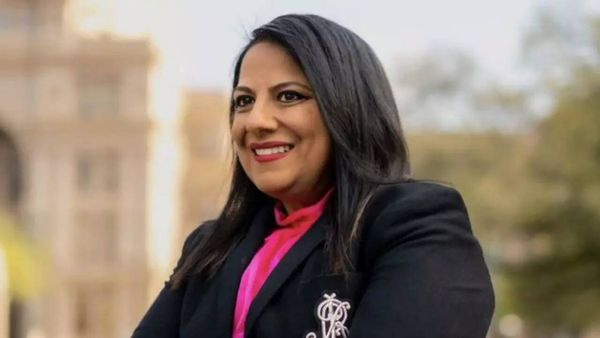
Speaking about the release of the Human Rights Commission’s Social Justice and Native Title Report 2016 this week, the deputy commissioner, Robynne Quiggin, said the lack of action was disrespectful to the work the Aboriginal and Torres Strait Islander people put into the commission, which ran from 1987 to 1991.
“It’s really unforgivable, I think, that we have seen the failure to commit to implementing the recommendations of the royal commission into Aboriginal deaths in custody,” she told Guardian Australia.
“We were starting to see change after the royal commission and that has just fallen away and fallen away until we have the shameful statistics now.”
The Indigenous imprisonment rate has doubled in the years since the royal commision handed down its final report, from 14.4% in 1991 to 28% in 2016.
Quiggin said it would be “more than disheartening” if the recommendations from the royal commission into youth detention in the Northern Territory – established after a Four Corners program showed graphic images of abuse at Don Dale youth detention centre – were similarly ignored.
Mick Gooda left his role as Aboriginal and Torres Strait Islander justice commissioner in August to act as one of the royal commissioners in the NT, after heavily criticising the Territory government.
Quiggin said the federal government urgently needed to set justice targets and support evidence-based diversionary programs, like Justice Reinvestment, to prevent further incidents like the ones at Don Dale.
She said the 28 recommendations made in the Human Rights Commission’s report urged the federal government to adopt an “Indigenous-led, policy-based approach that is lead by evidence”.
They included urging the Turnbull government to adopt the Redfern Statement, a joint policy statement made by a number of Indigenous organisations in response to the lack of substantial debate about Indigenous policy in the 2016 federal election, and seeking bipartisan support for extending the Indigenous ranger program beyond the current funding cutoff of 2020.
The report also called for an independent review of the cashless welfare card program, which is being trialled in Ceduna, South Australia, and the East Kimberley region of Western Australia.
It compared the program as it currently exists to the history of Indigenous stolen wages, in that both had an impact on the self-determination of Indigenous peoples.
Quiggin said the scheme was a “blunt instrument when it comes to trying to drive change in the social and economic determinants of poverty”, and that people should be allowed to opt in or out.
“What we would like to see is an opt-in approach where communities that choose to participate in the program can choose for it to be for the individuals that are having problems with how they spend their money, rather than a blanket approach for everyone on any kind of income support,” Quiggin said.
Reviews of the program should focus on whether it reduced the specific problems it was created to address and not broader sweeping community judgements, she said.
The prime minister, Malcolm Turnbull, has indicated the program could be rolled out to other communities, claiming it has made a “positive difference” at the two trial sites.