Labour is to try to force the government to publish analysis into the impact of universal credit on claimants’ incomes, amid increasing signs that ministers are delaying the controversial programme following a backlash from MPs.
The party is to use an opposition day debate on Wednesday to present a so-called humble address, requesting that parliament sees any recent briefings or analyses of how universal credit affects incomes and debt levels.
The move comes as the former Labour prime minister Gordon Brown condemned UC as “disastrous” in an article for the Guardian.
Brown cited research from the Child Poverty Action Group saying 4.3m families would lose money with the full rollout, saying it was “deceitful” to claim only a minority would be worse off. Separate data showed 70% of those losing out would be families with someone in work, he added.
Labour has previously used the relatively obscure parliamentary procedure to force the release of Brexit impact assessments. If the opposition motion is passed, a humble address is considered binding on the government.
The tactic is part of a wider campaign by Labour to put pressure on the government to delay or drop the rollout of universal credit, which is intended to simplify the benefits system and provide greater incentives for work, but has faced repeated criticism over its perceived unwieldiness and inconsistency.
This pressure increased after the work and pensions secretary, Esther McVey, conceded last week that the “migration” process, by which existing claimants will be moved on to UC from the six existing payments it replaces, would result in some people being worse off.
McVey told the Commons on Monday that the migration was being delayed; rather than beginning at the start of 2019, it would happen later in the year.
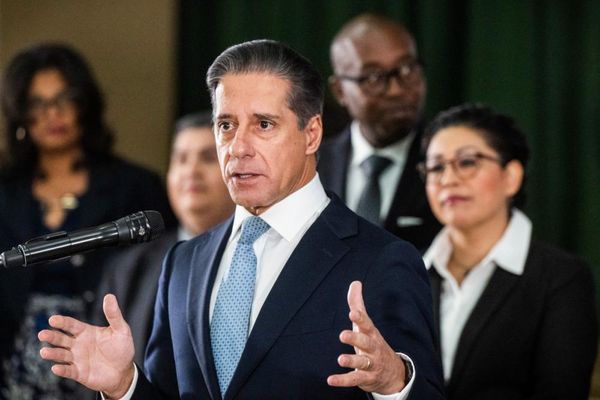
Answering an urgent question by Frank Field, the veteran Labour MP who now sits as an independent and chairs the work and pensions committee, McVey’s junior minister Alok Sharma confirmed the changes would happen in a “slow and measured” way.
He said no more than 10,000 people would be moved over from other benefits during 2019, a notably slower migration than previously expected.
Leaked documents obtained by the BBC appeared to suggest the benefit was now not expected to be fully operational until December 2023 and the government was considering spending millions more to mitigate some of the problems with the changeover.
Sharma declined to comment on the leaks, telling MPs he “cannot and will not comment on speculation”.
The Local Government Association, which represents councils, said it welcomed the delay to the migration process: “Real concerns remain about the lack of engagement with local government and their local partners about the next phase of implementation.”
There is speculation that the government will delay a parliamentary vote on the process, allowing time to assuage concerned Tory MPs and thus lessen the risk of a damaging defeat.
MPs need to formally approve a statutory instrument, a procedure that allows laws to be changed without the need for a new act, to authorise the migration of existing benefit claimants to UC.
While the Department for Work and Pensions (DWP) suggested last week this would be laid before parliament in the autumn, Sharma told MPs it would happen “later on this year”, potentially allowing more weeks to convince concerned MPs that there would be new funding in the budget.
The chancellor, Philip Hammond, is under pressure from some Tory MPs to come up with extra money to assist those who would otherwise lose out and to address wider benefit cuts due to come into force in April, part of a squeeze imposed by George Osborne in 2015.
The extent of worries among Tory MPs was made plain during the debate on Field’s urgent question. A series of backbenchers including Jacob Rees-Mogg, Philip Hollobone and Helen Whately praised the principle of UC, but sought assurances that people would not lose out during the transition and there would be protection for vulnerable claimants, including single parents and people with disabilities.
Such concerns could multiply if Labour’s humble address forces the publication of assessments that reiterate the pitfalls of the rollout and transition process.
Margaret Greenwood, the shadow work and pensions secretary, said universal credit had “pushed many families into poverty, debt and misery”.
A DWP spokeswoman said the migration process would begin in 2019, affecting an initial maximum of 10,000 people. She said this was to ensure the system was working well for claimants and to make any necessary adaptations. “We will publish full plans for the next stage of universal credit rollout, including managed migration, in due course,” she said.