Pity the poor Labour MPs who will be expected to walk through the lobbies on Tuesday to decide whether Sir Keir Starmer should be investigated for contempt of the House.
Privately, a number of them are already complaining about being in a “lose-lose situation” with Sir Keir expected to ignore the precedent set by Boris Johnson in April 2022 and whip his MPs to vote against the move.
As one Labour MP put it, if they vote to support a Privileges Committee inquiry into whether the prime minister misled parliament, they will be “inviting months of chaos and speculation” while needlessly handing the Conservatives a win.
But many are reluctant to back a seriously wounded prime minister who is expected to face a serious challenge to his leadership within weeks despite him making a personal appeal to them at a Monday evening showdown with the parliamentary party.
His appeal to them to “look at the big picture” did not have the impact he hoped for with one MP noting that “the big picture is how he is opening the door for Nigel Farage” to enter Downing Street.
No wonder another MP has told The Independent that colleagues are asking to be excused so they “can go and campaign in the local elections” and “not be tainted by the whole saga.”
But in the end though, it is the comparison with what happened with Mr Johnson which could be the defining factor here. And those involved in bringing the former prime minister to book for lying to parliament have mixed views on what should happen with Sir Keir.
Does Starmer have a case to answer?
The allegations that Sir Keir misled parliament centre on whether he did know that Peter Mandelson had failed security vetting for the US ambassador role when The Independent informed Downing Street seven months ago, rather than learning about it for the first time earlier this month. There are also claims he misrepresented the evidence given to the Foreign Affairs Select Committee by Sir Olly Robbins, the permanent secretary he sacked over the vetting scandal.
Then there is the question, again revealed by The Independent, about whether he asked Sir Olly for an explanation or not before he sacked him. He told MPs he had, but sources close to Sir Olly suggest he did not.
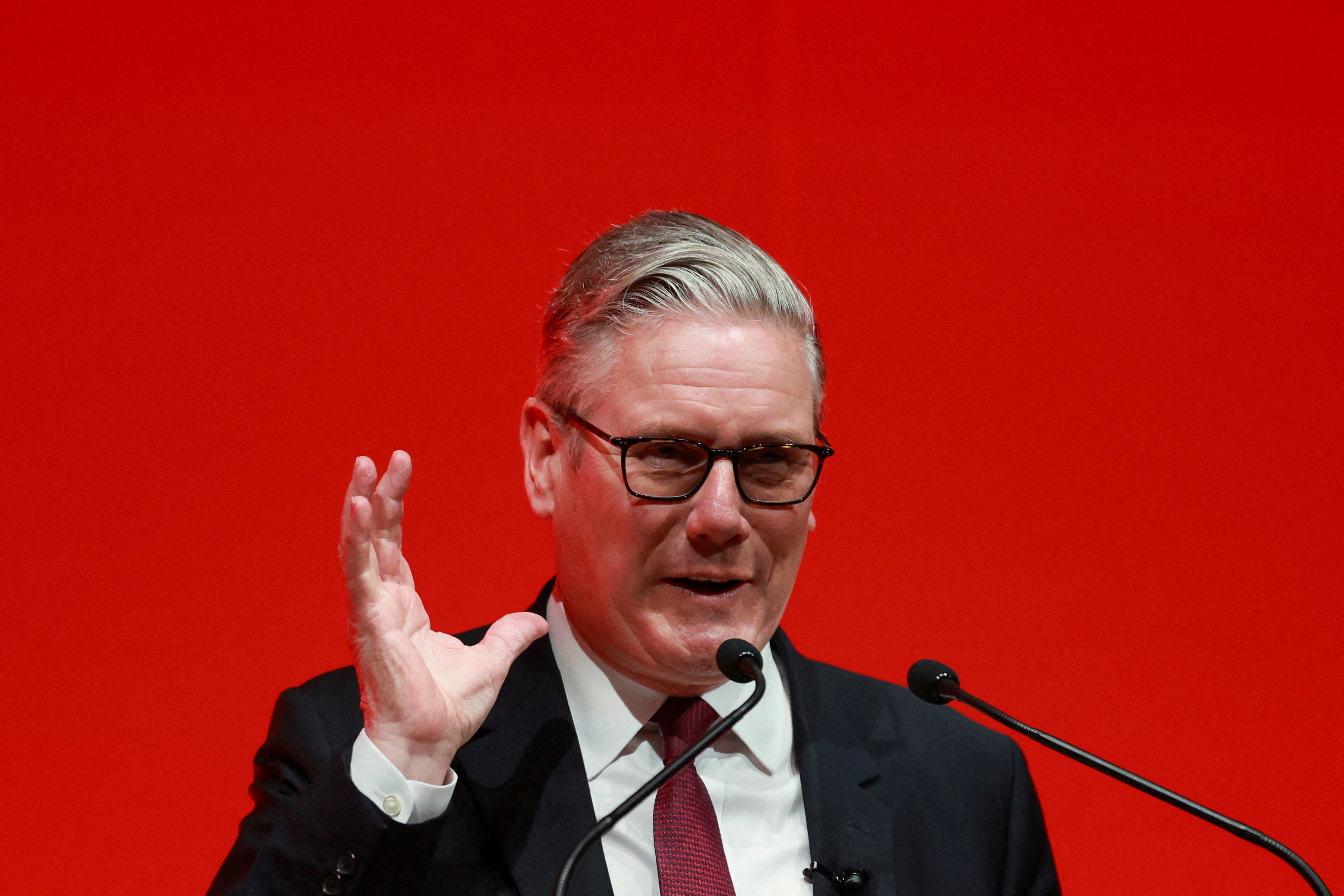
One potential Labour rebel has asked the question which overshadows the whole debate: “If the PM is clear he has done nothing wrong, and confident in that, why doesn’t he just refer himself for a clean bill of health from the committee and save MPs and council candidates the drama and controversy of a debate and vote tomorrow?”
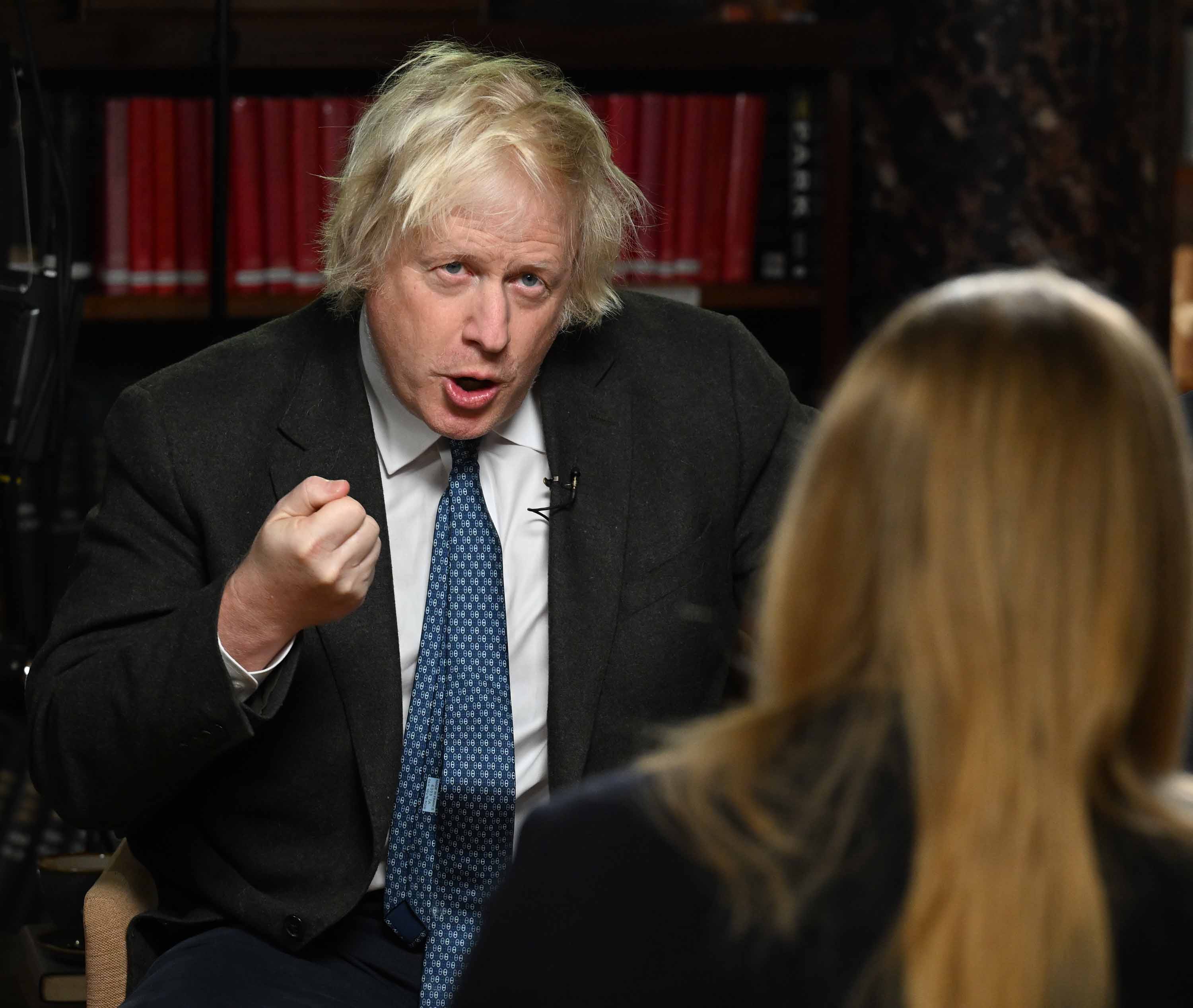
Deliberately misleading parliament is treated as a resigning offence for ministers, and a 2023 investigation by the Privileges Committee led to Mr Johnson stepping down as an MP. Comparisons have been made between the pair, but Downing Street maintains that Starmer was speaking based on the information available to him at the time and those involved with the Johnson inquiry have mixed views.
One member of the Privileges Committee that investigated Mr Johnson is not sure that the two cases are the same.
“It was much clearer that Boris Johnson had misled parliament because he said that ‘no rules and guidance had been broken at any time during lockdown.’ That was clearly incorrect and misleading.
“With Keir Starmer, the issue is far more nuanced and complicated.”
Another former member of the committee noted: “You have to remember that for the Privileges Committee to investigate a very high threshold needs to be met that the misleading of the House is preventing parliament from functioning properly.”
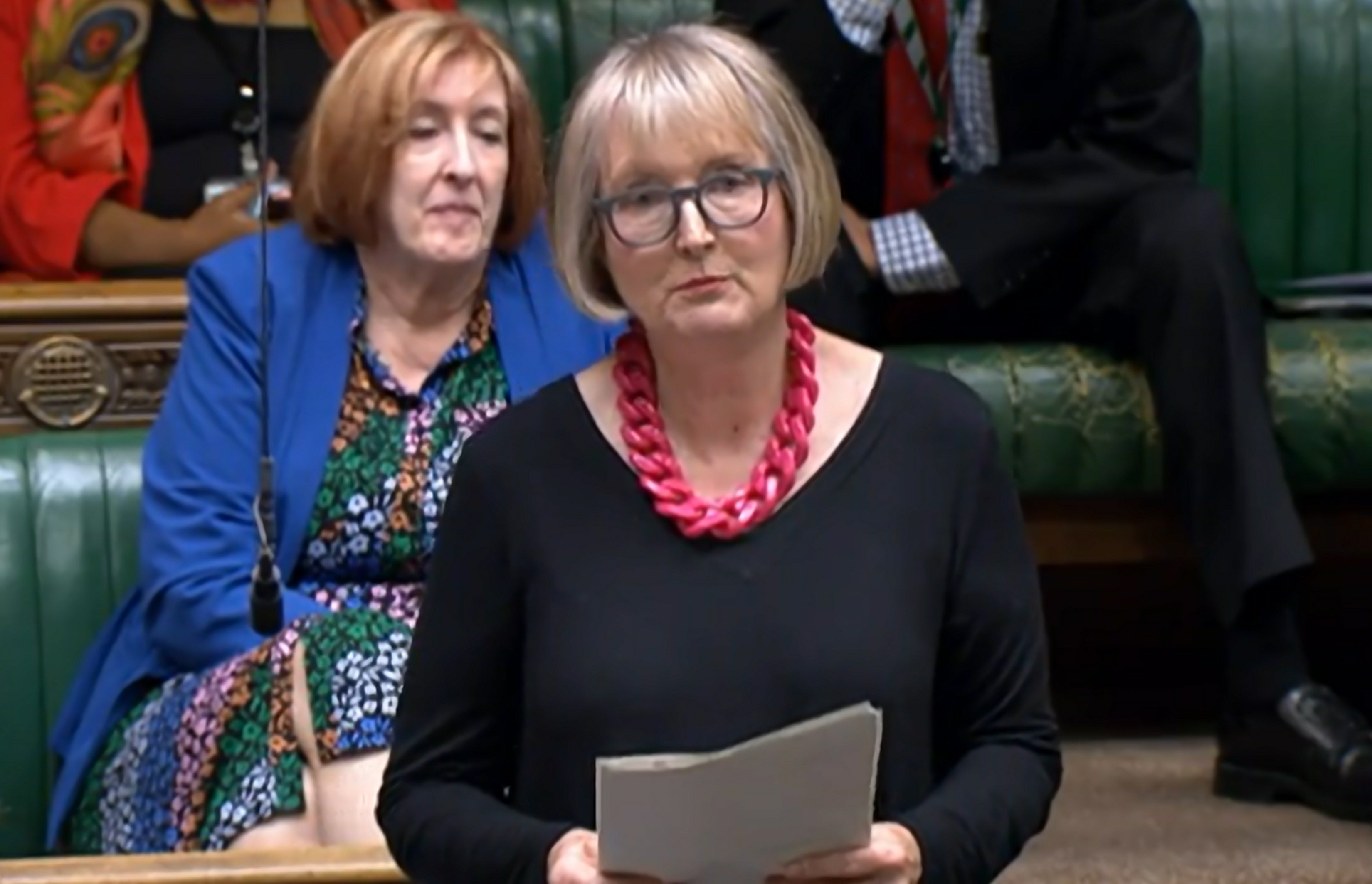
But a third pointed out: “The referral is not in itself an assumption of guilt. It is saying there is a case to be considered. In that sense, if the prime minister is sure that he has not misled parliament, then he has nothing to worry about.”
Why did Boris Johnson allow an investigation into himself?
The Independent understands that Kemi Badenoch will refer to her party having some moral authority on this issue in that Mr Johnson allowed the investigation without a vote and Tory MPs on the committee investigated him fairly and found him guilty.
Back in 2022, Mr Johnson had intended to oppose the motion to refer him to the committee brought by Sir Keir himself but was persuaded not to at the last minute to avoid a crisis.
One former MP noted: “A number of us spoke with the chief whip and made it clear that if there was a vote then the prime minister would split the party and cause even more damage.”
Another said: “We felt that he had been lying and could not in conscience vote against it.”
On 21 April 2022, it was announced that the government would accept the motion without debate or vote.
What can Starmer do to save himself?
Apart from whipping Labour MPs to vote down the motion and in so doing cause himself, his party and the same MPs all sorts of potential political damage, there is one other solution.
It was decided in the Johnson case at the outset that if he simply came to them and corrected the record, then that would be the end of the matter and there would be no investigation.
“The rules state that you’ve got to correct the statement at the earliest opportunity. And actually, if nothing else has happened in the meantime, then the earliest opportunity could be when giving evidence to us. There is no specific time,” says one former committee member.
“So we decided that when Boris Johnson came to give evidence to us, that we'd ask him if he wanted to correct the record and say actually the rules and guidance during lockdown weren't followed at all times in Number 10. He could just say that, and then he would have corrected the record and that would have been it with no further action necessary.”
The problem was that Mr Johnson declined that opportunity and ended up with a 90-day suspension – even though he had already quit as an MP.
If it comes to it, Sir Keir might want to see if he needs to learn from that mistake.
PM to face vote which could spark probe into whether he misled MPs over Mandelson
Starmer urges Labour MPs to vote against parliamentary probe into Mandelson row
Starmer tells Britons ‘don’t panic’ over impact of Iran war
Met Police assessing evidence on donations to Robert Jenrick Tory leadership campaign
Reform UK bus and taxi the only vehicles at Jenrick’s ‘national fuel protest’