The starting gun has been fired on a Labour leadership election, with Andy Burnham approved to stand in the Makerfield by-election and Wes Streeting quitting the cabinet and indicating he will run in any contest.
Speculation that Sir Keir could face a challenge has been circling for months, but after days of mounting calls for him to resign following the disastrous Labour election results, candidates have finally begun to make their moves.
Mr Streeting, Mr Burnham and deputy prime minister Angela Rayner have all been widely touted as the most probable challengers to Sir Keir’s premiership, while Al Carns and Ed Miliband have also been named as potential candidates.
On Thursday, Ms Rayner made her clearest indication yet by announcing she had been cleared of deliberate wrongdoing in an investigation over her tax affairs, which had previously been seen as a major political barrier.
Next, Mr Streeting finally quit as health secretary after days of speculation that he was about to do so before Labour MP Josh Simons announced he would be stepping down to allow Mr Burnham to run in a by-election, giving him the chance to return to the Commons to challenge Sir Keir.
But what happens now? Here we look at how a Labour leadership contest would actually work, and how long it could take:
NEC must first decide if Burnham can run
There has been a growing consensus amongst the Labour Party that any leadership challenge must include a “broad’ set of candidates – meaning most believe a contest must include the mayor of Greater Manchester, Mr Burnham.
Mr Burnham is currently unable to challenge the prime minister because he is not a sitting MP – but this could be about to change as he announced on Thursday he would be seeking to run in the Makerfield by-election.
The Manchester mayor needed the approval of Labour’s National Executive Committee (NEC) – and local membership – to be on the ballot.
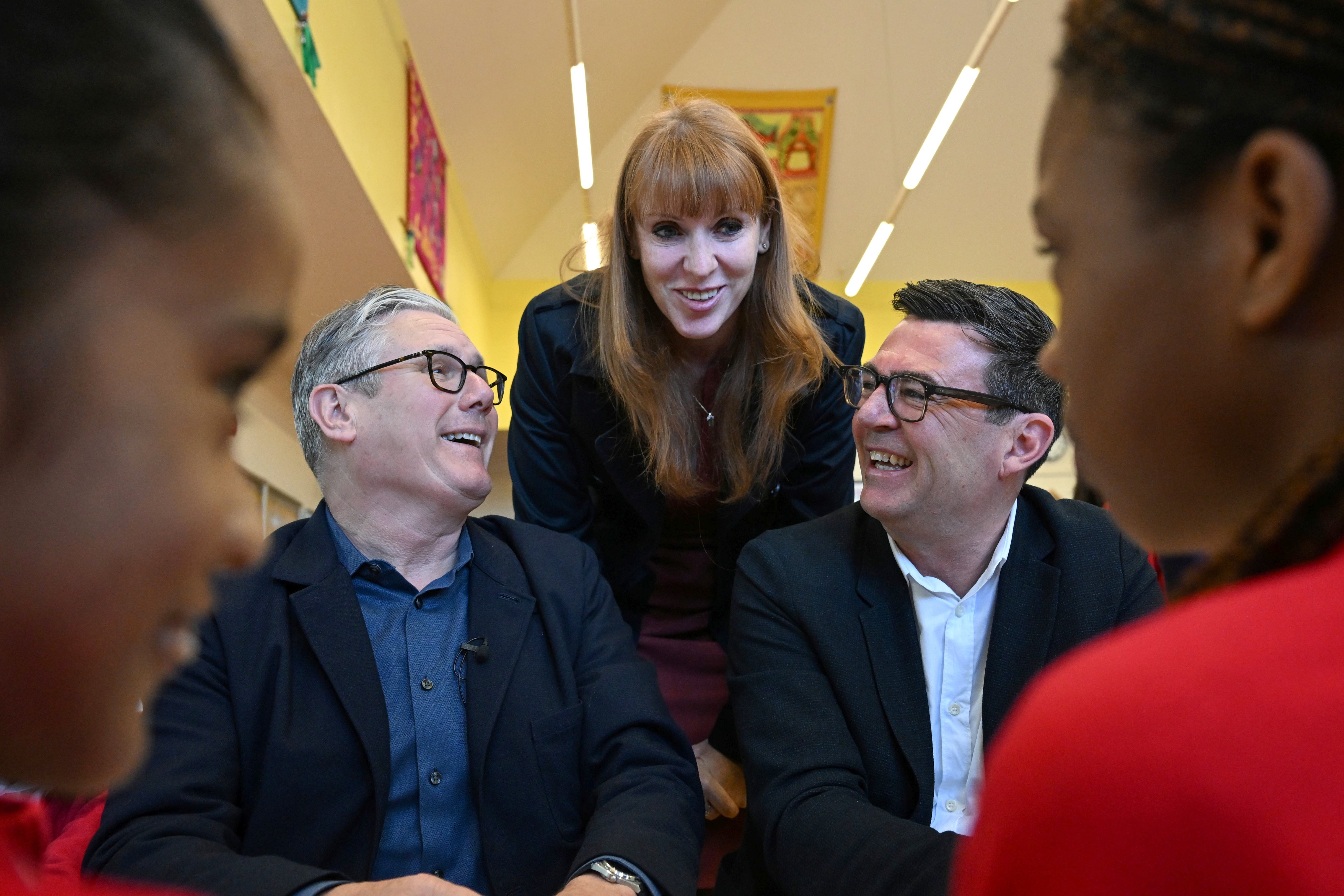
When a seat in Gorton and Denton arose earlier this year, Mr Burnham was blocked by the NEC in what many saw as a move to keep him out of parliament to stave off a leadership challenge.
But on Friday, the committee announced they would allow him to be included in Labour’s candidate selection process for the Makerfield by-election.
A Labour Party spokesperson said: “Labour’s ruling body, the National Executive Committee has today given permission to Andy Burnham to stand in the candidate selection process in the forthcoming by-election for the Makerfield constituency.”
Makerfield by-election
Even if approved by the local membership, there is still no guarantee Mr Burnham will win the by-election.
Labour won the seat in 2024’s general election, but Nigel Farage’s Reform UK performed well in the area in last week’s local election.
The contest will not be straightforward, with Electoral Calculus predicting Reform has an 82 per cent chance of winning the seat, with Labour just 17 per cent.
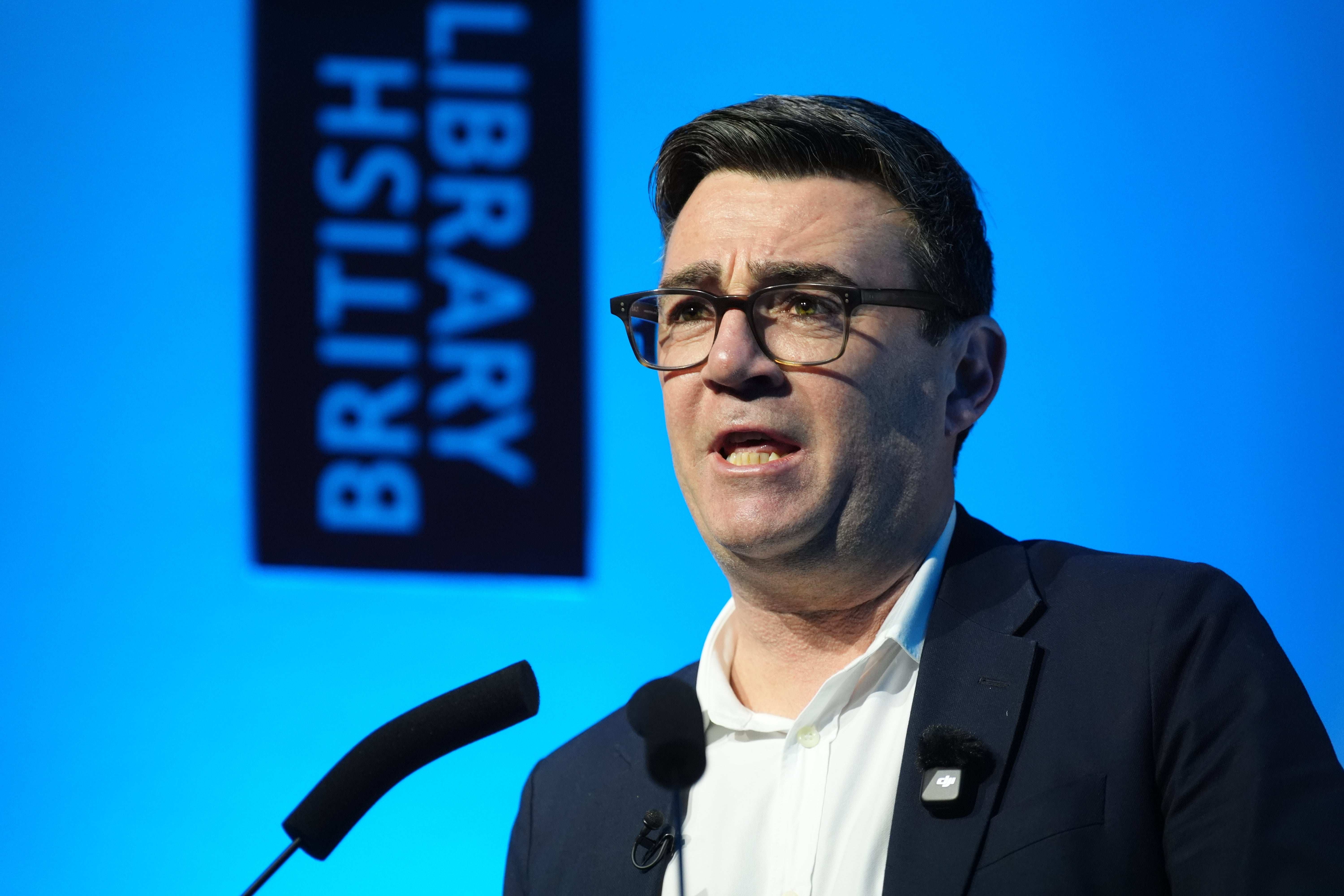
As Labour’s most popular politician currently, Mr Burnham will be hoping he can still beat Reform, proving he is the right man to take on the party at the next general election.
But Mr Farage said: “We look forward to the contest and we will throw absolutely everything at it.”
Triggering a leadership challenge
Once back in Parliament, Mr Burnham - or another potential candidate - would need to trigger an official leadership challenge.
There is no formal confidence vote procedure to oust a Labour leader.
Sir Keir would need to resign, or any challenger would instead require the support of 81 MPs – 20 per cent of the party in the Commons – to trigger a contest.
Written nominations would need to be submitted to Labour general secretary Hollie Ridley.
Who else will join the race?
Anyone who wishes to join the leadership race will need to secure the support of their own 81 MPs.
There is no limit on the number of contenders in a Labour leadership race, but MPs can only lend their support to one candidate at a time, effectively limiting how many people can stand.
In the case of a successful challenge, Sir Keir would be on the ballot by default as the incumbent and would not need to gather nominations.

A source close to former health secretary Mr Streeting insisted “Wes will be a candidate when the contest comes”. He quit the cabinet, saying he had “lost confidence” in the PM as he called for a contest for the Labour leadership.
Sir Keir’s former deputy Ms Rayner could also join the race, having said on Thursday her tax affairs had been resolved with HMRC.
Other possible contenders include energy secretary Ed Miliband and armed forces minister Al Carns.
Voting process
If a contender can secure the backing of 81 MPs, they then need to secure nominations from five per cent of constituency Labour Parties (CLPs), or at least three affiliates, including two trade unions, making up at least 5 per cent of affiliated membership.
The next stage will then see the contest be put to party members and affiliates to vote using a preferential voting system.
Each voter has one vote but ranks candidates in order of preference. If a candidate wins 50 per cent of first preference votes, they win the contest.
Failing that, the candidate who places last is eliminated and the voters who put them as their number one choice will have their votes moved to their second choice candidate.
The process continues until one candidate secures more than 50 per cent of the votes cast, which would then make them the leader of the Labour Party and the new prime minister.
How long will this all take?
There is no set time for how long a contest will take, but they usually take several weeks.
The last Labour Party leadership election in 2021, which saw Sir Keir become leader, took around 13 weeks to complete from when it formally began.
In 2016, when Jeremy Corbyn faced a revolt, it took around 13 weeks, while in 2015, the contest was around 18 weeks.
But a contest has not yet been formally triggered, because the party is awaiting the return of Mr Burnham, which will take at least several extra weeks.
What happens to the government in the meantime?
On paper, Sir Keir Starmer’s government is to go on governing as usual during this process. But this is much harder to do in practice.
The prime minister has suffered multiple ministerial resignations in recent days, and without the confidence of his cabinet, it would be all but impossible for him to continue to govern.
Labour strongly criticised the previous Conservative government for bringing chaos to the country during its multiple leadership coups.
When Boris Johnson’s authority collapsed in 2022, he sought to cling to power by replacing senior ministers, but it was a matter of days before he was forced to announce his resignation as Tory leader outside No 10.
Even if Sir Keir fights on and decides to stand in a contest, he will face the distraction of running both the country and a leadership contest.
Starmer latest: Burnham cleared to stand in Makerfield by-election
DWP criticised for PIP changes excluding young people under 25
Burnham can stand in by-election opening path to Westminster to challenge Starmer
Labour to include Burnham in candidate selection for Makerfield by-election
Can Andy Burnham actually beat Reform to take on Starmer? Here’s what the data shows
Farage bought £1.4m house with cash from I’m a Celebrity, claims Reform