The ballot papers are out and the Labour leadership election is entering its final straight. What will the result mean for science and engineering?
To find out, the Campaign for Science and Engineering (CaSE) teamed up with Scientists for Labour (SfL) to ask the five leadership candidates a series of questions focusing on science and the economy, the use of expert advice, and training the researchers of the future. This followed CaSE's own examination of Gordon Brown, David Cameron and Nick Clegg just before the general election.
As well as giving us a new leader of the opposition, whose role it will be to hold the coalition to account, the contest will potentially give us a future prime minister. So it's vital that whoever wins appreciates the role of science and engineering to the economy and society.
The bad news is that three of the candidates – Diane Abbott, Ed Balls and Andy Burnham – failed to respond to Scientists for Labour, despite having seven weeks in which to do so. The fact that SfL are a highly engaged group for scientists within the Labour party makes the unanswered questions all the more disappointing.
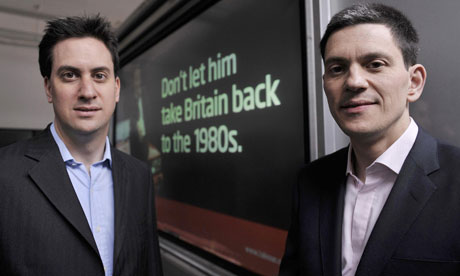
But the responses from David and Ed Miliband were promising – if a little vague. You can read the full answers here.
David clearly understands the "multiplier effect" of spending on research, development and education, whereby private-sector spending is leveraged by public spending, and he talked up schools specialising in science and engineering.
Ed also gets the "false economy" of cuts in research funding, recognising the importance of science and engineering to economic growth, and said he wants to ensure that "policy is thoroughly evidence-based".
There will be more specific issues that Labour will have to deal with in detail. Does it still want all students to be able to study GCSE physics, chemistry and biology as three separate subjects? Is it committed to raising the proportion of GDP that the UK spends on research and development?
Largely thanks to the efforts of two former science ministers, the widely respected and independently minded Paul Drayson and David Sainsbury, Labour has enjoyed a reputation of being friendly to science. This was tarnished by the sacking of Professor David Nutt towards the end of Labour's final term, but it's a reputation that CaSE hopes the new Labour leader will reinvigorate.
Imran Khan is director of the Campaign for Science and Engineering and blogs at The Science Vote