Labour has defended its promise to freeze energy bills until 2017 against criticism that companies were delaying price cuts as wholesale prices fall because of the threat of the policy coming into force after the election.
Caroline Flint, the shadow energy secretary, said companies will not be able to enjoy a freeze at current high prices because the energy regulator will get new powers to force companies to cut their bills when gas and electricity prices fall on the international wholesale markets. She said this has always been Labour’s policy even before energy prices started to fall dramatically last year.
Labour responded after Matt Hancock, a Conservative business minister, suggested companies are holding off from cutting bills because they believe prices would be frozen at their current level under a new government by Ed Miliband. So far, only E.ON has announced a small 3.5% cut in gas bills, even though there has been a fall in gas wholesale prices of around 30% last year.
Speaking in the House of Commons, Flint said Labour had always been clear that companies would be obliged to cut bills if wholesale costs fall. Labour would prevent what she called “sharp practices” if elected. Under Labour’s plans, companies would be liable for historic failure to cut prices when wholesale costs have gone down.
“The purpose of our price freeze is not just to give us time to reform the energy market for the future but crucially to compensate customers for the fall in wholesale prices we saw in 2009 that was never passed back to them,” she said.
Flint said it was welcome that Conservative ministers have finally called for energy companies to pass on lower wholesale costs to consumers, but pointed out this is the first time in the last five years that the government has acknowledged there is a problem in this area.
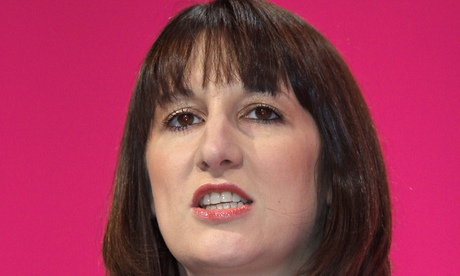
Rachel Reeves, the shadow work and pensions secretary, acknowledged that the “world has changed” since Labour announced its price freeze in autumn 2013 but she said the main point of the policy – reforming the market – still applies.
“At that time, energy prices were going up. We said we needed to reform the regulator. So that when prices fell, that would be passed onto consumers … today, those price cuts are not going to be passed on,” she told the BBC’s Daily Politics programme.



.jpg?w=600)