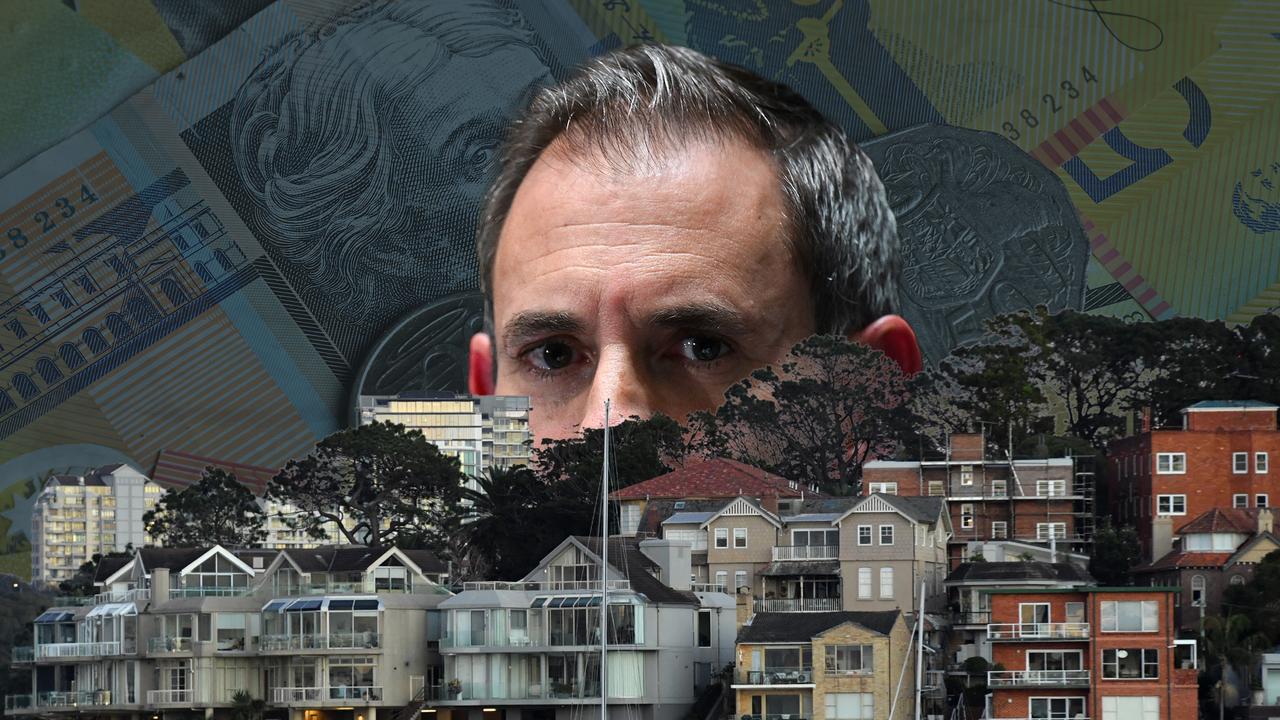
There are fears people may lose out on grandfathered property tax concessions if their partner dies or they go through a divorce unless changes are made to planned reforms.
Labor hopes to pass a wind-back of negative gearing and the capital gains tax discount through parliament by Thursday in a deal with the Greens, including carve-outs for investment properties bought before the changes took effect.
But the rushed legislation could lead to unintended consequences, independent senator David Pocock has warned.
"I'm concerned that people will lose legitimate access to grandfathered CGT concessions for jointly held assets when, for example, one partner dies (or) when property transfers in the case of divorce," he said in a statement.
The change could disproportionately impact women, Senator Pocock added.
His concerns are based on officials' testimony to a parliamentary inquiry earlier in June, when they conceded the carve-outs would no longer apply if part of the interest in a property had to be transferred to another partner.
Pressed on the issue, Treasurer Jim Chalmers said the government's approach was nothing new.
"The arrangements as you described them are consistent with the way that the acquisition rules apply in the current CGT arrangements," he told reporters on Wednesday.
Finance Minister Katy Gallagher flagged potential tweaks, telling parliament there were many complex interactions in the bill which would be dealt with "in the usual way".
The stoush follows a top Labor minister telling home owners anxious their property could lose value to "take a breath" as the government seeks to play down diving auction clearance rates.
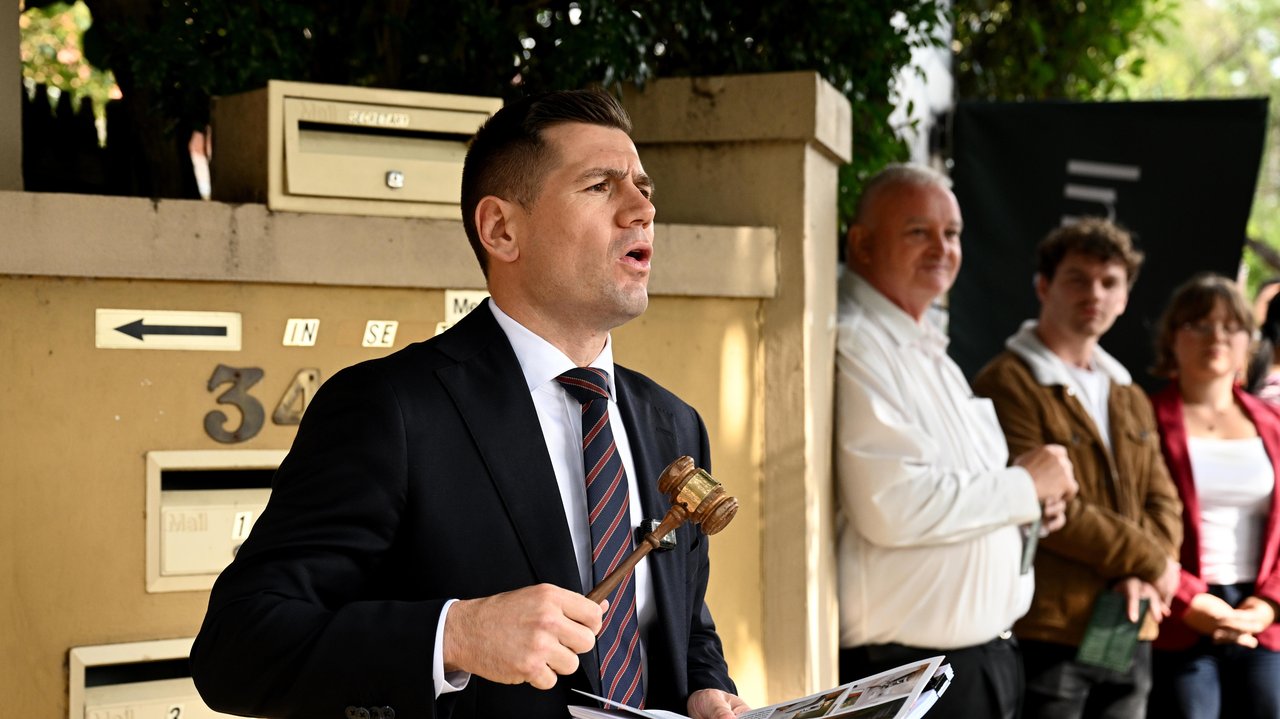
Housing Minister Clare O'Neil has blamed a "correction" in the property market for sellers' difficulties, saying high interest rates and cyclical factors are playing a bigger role than the tax reforms.
"We've just been through what has been extremely high house price growth in the period from COVID ... and we are seeing a correction to that," she told ABC Radio.
Pressed on the impact of the tax changes on the property market, Ms O'Neil said there were multiple factors driving lower clearance rates but conceded the tax system played a role.
But the minister was using "correction" in the colloquial sense, not predicting a 10 per cent downturn in house prices as the technical definition of the term would suggest, Dr Chalmers later clarified.
Combined auction clearance rates in the capital cities fell below 50 per cent on Saturday to the lowest level in more than six years, according to Cotality data.
There was already volatility in Australia's housing market before the May budget because of recent interest rate hikes and a weaker global and domestic economy, government ministers have argued.

Asked how Australians would feel watching the value of their home fall, fellow Labor minister Tanya Plibersek said people should ''take a deep breath''.
"Our Treasury estimates are that house prices will continue to grow, they'll grow more slowly," she told ABC TV.
As part of their deal with Labor, the Greens were also successful in postponing the passage of sweeping NDIS reforms by two months, which disability advocates say will give them welcome time to push for changes.
But the coalition says it's willing to pass the legislation in the next fortnight, given the Greens are vowing to vote against the bill regardless of how it's amended.
"They don't have to hold this back just to appease the Greens," Liberal senator Jonno Duniam told reporters.
"This scheme is costing Australian taxpayers far too much."
Senator Gallagher confirmed Labor would work with the coalition to pass the legislation, but indicated the government would respect the eight-week delay negotiated with the Greens.