
Labor has moved to overhaul how the federal government awards grants, in the wake of multiple scandals.
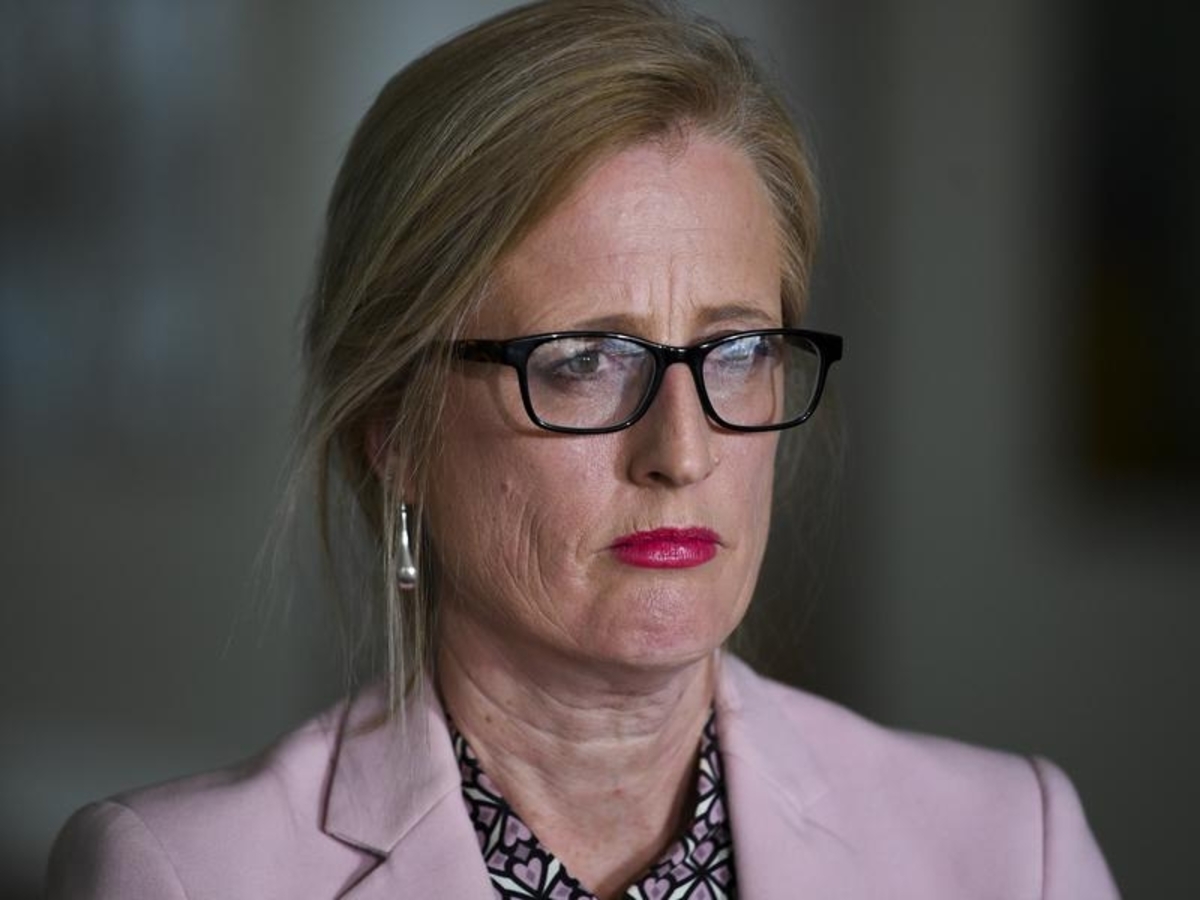
Opposition finance spokeswoman Katy Gallagher resumed debate on her "anti-rorting bill" in parliament on Monday, which was introduced after controversy over several government grant programs.
The bill would require grant decisions that were made by ministers either against departmental advice, didn't meet selection criteria or were in their own electorate to be referred to the finance minister within 30 days.
The finance minister would then need to table reports about the grants within five parliamentary sitting days.
The bill would also allow for the public to see how ministers make decisions about where taxpayer money would be spent.
"Rorting and pork barrelling are just business as usual for (the government), as it has been for some time," Senator Gallagher said.
"The fact we're even having to introduce this bill is sad."
Liberal senator Claire Chandler said while the bill had "reasonable intentions", it would duplicate existing reporting arrangements for government grants.
The bill comes in the wake of controversy over the awarding of grants to regional areas that disproportionately benefited seats held by the coalition.
The government has dismissed criticism over the handling of the latest allocation of $300 million out of the Building Better Regions Fund, saying the scheme was valid, despite concern over pork barrelling.
Analysis compiled by Labor showed 90 per cent of the latest round of funding went to coalition-held and marginal seats.
The fund is being examined by the national audit office, which is due to report on the matter next year.
Senator Gallagher said the bill was needed following the government's commuter car park scheme.
An auditor-general's report into the matter found the $660 million was poorly administered and the projects were not based on need.
"Rorts have reached a crisis point," she said.
"This government is at the point where it doesn't care at getting caught any more and, to be honest, this behaviour is blatant and brazen."
If the bill passes the Senate, it would be up to the government to allow debate on the issue in the House of Representatives.