Labor will support only $500m of the Turnbull government’s revamped plans to cut $4.8bn from family payments – meaning the Coalition will be forced to return to protracted negotiations with the unwieldy Senate crossbench to try to get the long-stalled measures through.
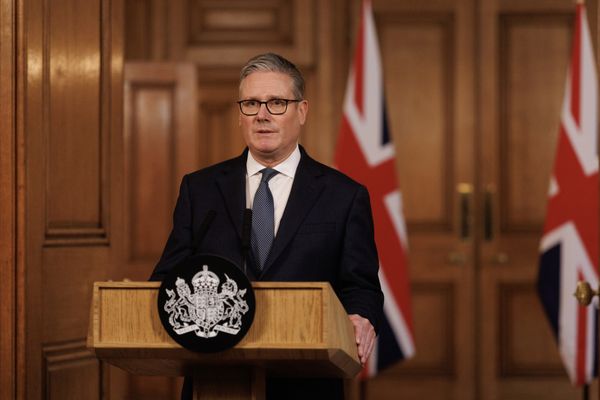
Announcing that Labor would oppose almost all the government’s proposed changes, the Labor leader, Bill Shorten, said they were “unfair”.
“If ever there was a demonstration of how out of touch Malcolm Turnbull and the Liberals are with the lives of Australian families, this is it,” he said.
“Labor has demonstrated that we are not opposed to fair and reasonable changes to family payments – but it should not be at the expense of families who can least afford it.”
The Coalition has always said the family tax benefit cuts – announced in its disastrous 2014 budget – are necessary for it to proceed with the 2015 budget’s generous $3.5bn childcare package.
It has already softened the family tax benefit cuts to try to win parliamentary approval and it is understood cabinet is considering changes to reduce the childcare payments by cutting generous increases in benefits to the richest families – allowing the government to further soften the family payment cuts while keeping its self-imposed connection between the two policies.
But the shadow cabinet decided on Monday night that it would only support cuts to family tax benefit part B paid to single-income two-parent families, which would save only $500m over four years, but that it would oppose all the other cuts to benefits for single parents and grandparent carers.
Labor also decided to oppose the $1,000 extra family payment for single-income families with a child under one, promised by Turnbull in his negotiations with the National party. If that measure doesn’t proceed it will save the budget $380m.
Labor’s stance means the government is now reliant on Senate crossbench support for both policies, and the crossbench has been demanding all kinds of trade-offs unrelated to either family tax benefits or childcare in negotiations that have been dragging on for months.
The Tasmanian independent senator Jacqui Lambie has a “wishlist” from which she will seek concessions whenever the government needs her vote. It includes demands that the government waive the Tasmanian government’s $200m public housing debt.
In talks with the independent senator Nick Xenophon and other crossbenchers, the innovation minister, Christopher Pyne, linked their support for the package to an additional $200m in assistance for car component makers to help companies cope when the car industry closes in 2017.
Senators Ricky Muir and John Madigan refused to link the two policies, but Xenophon did not reject the idea, telling Guardian Australia: “In my view if you can stem the tsunami of job losses coming from the closure of the automotive industry, that would have a big impact on the number of families on welfare, and that’s a good thing.”
The Family First senator, Bob Day, has made his support contingent on the government “starting a discussion” about income splitting.
The treasurer, Scott Morrison, has announced a slight softening of the family benefit cuts, including;
- Ending family tax benefit B for single-income two-parent families when the youngest child turns 13. It now stops at 18, but the 2014 budget proposed that it end at six.
- Reducing family tax benefit B for single parents and eligible grandparents with children between 13 and 18 to $1,000, from about $3,000 a year.
- Increasing family tax benefit A by $10 a fortnight while phasing out the current end-of-year supplements.
- Abandoning the proposed two-year freeze on all family tax benefit payments.
According to the explanatory memorandum to the legislation on the new changes, they would save $4.8bn over the next four years.
The government has also foreshadowed cutting back some of the 2015 budget’s planned increases in childcare benefits to families earning over $180,000. It needs to clarify the future of both policies before the economic update at the end of the year.