Labor has blamed the Coalition for the instability of a possible hung parliament after ratings agencies raised concerns about Australia’s AAA credit rating.
On Monday two credit agencies warned political gridlock and the inability to pass budget savings in the medium term could result in increased debt and lower Australia’s rating.
But the attorney general, George Brandis, has moved to allay concerns, arguing the Coalition could still pass legislation because minority government was “not unusual” and not having a majority in the Senate was “situation normal”.
On Monday, the credit rating agency Fitch said Australia’s levels of public debt were still consistent with a AAA rating, but warned political instability after the inconclusive federal election could risk the rating in time.
“Fitch views Australia’s overall credit profile as still consistent with a triple-A rating, but political gridlock that leads to a sustained widening of the deficit would put downward pressure on the rating, particularly if the economic environment deteriorates,” it said.
So far neither the Coalition nor Labor has secured a majority, although the Coalition might do so if absentee and postal votes swing the majority of the 10 still-undecided contests in its favour.
On Monday, the rating agency Moody’s said the short-lived uncertainty would have “limited” implications for Australia but the outcome could be worrying if it “changed broad policy priorities and the effectiveness of their implementation”.
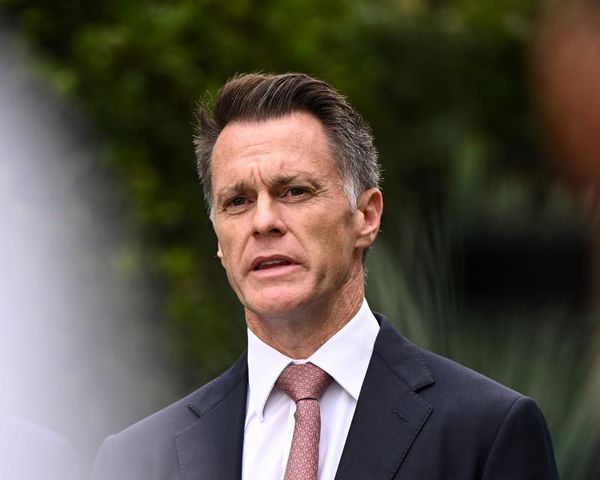
Speaking on the ABC’s AM radio program on Tuesday the shadow treasurer, Chris Bowen, renewed Labor’s attack on the Coalition’s $50bn tax plan. He said it would “put the AAA credit rating under further pressure” and Labor had argued as much before the election.
“We had a plan which we took to the election … for budget repair over the medium term which saw our budget surpluses grow strongly over the decade, return to balance at the same time as the government.
“We did that with our AAA credit rating in mind. Obviously if we were to form government, we’d interact with the rating agencies about our plans.”
Asked about the difficulty of passing measures to repair the budget through the Senate, Bowen said it “underlined the fallacy of Malcolm Turnbull’s strategy” to recall parliament, and rush to a two-month election immediately after the budget without a “coherent agenda”.
“Part of his campaign was that only the Liberal party could provide stable majority government – I’m not sure how that’s working out for him.”
Bowen said Turnbull’s leadership was “effectively over” and he had “lost moral authority in the nation and all authority in the Liberal party”.
He said Labor would continue to act in the national interest in assessing savings proposed by the Coalition but would continue to push its own platform.
Brandis called for calm and to “draw breath and wait” until the count finished.
“The fact is we will know within a matter of days if a majority of seats has been won by government or not.
“In my own view it is likely that due to inbuilt advantage on postal and absentee votes, that most of the remaining marginal seats will be won by the government.”
Brandis said “we’re not at the point yet of a hung parliament” but argued that there was “nothing unusual” about minority government.
Brandis said it was still possible to pass Coalition legislation through a Senate despite the diverse views of new senators including those from the Nick Xenophon Team, Pauline Hanson and Derryn Hinch.
“It’s what I’ve been doing ever since I’ve been Senate leader … The idea the government needs to negotiate its legislation through the crossbench of the Senate is commonplace.
“In all the years I’ve been in parliament there was only three years where the government, of either side, did have a majority in the Senate, so [having no Senate majority] is situation normal.”