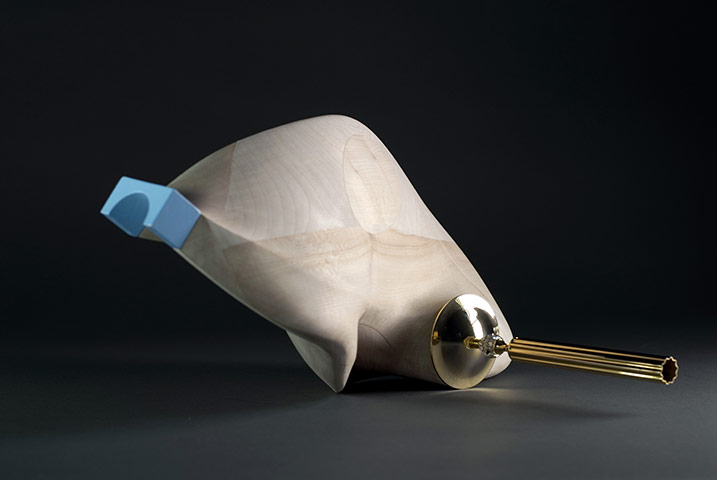
To make this piece, Committee chose incongruous pairs of mundane objects which they then brought together with a form that was made using CAD technology Photograph: PR
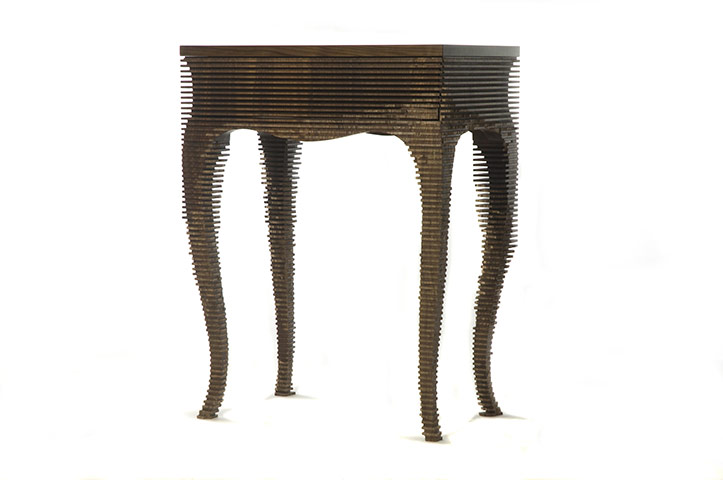
The Louis tables are part of a series of work that explores the juxtaposition of old and new forms and techniques through the combined use of digital technologies and traditional high quality craftsmanship Photograph: PR
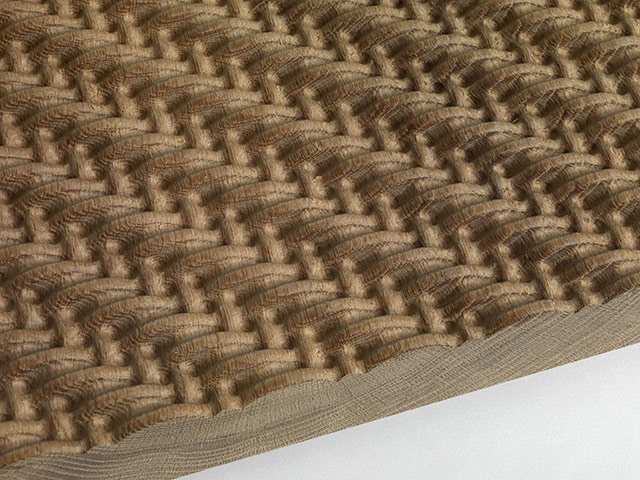
This is a collaboration between a product designer and a textile designer. The project explores how digital technology can be used to translate magnified textile weave structures onto pieces of wood
Photograph: Nick Moss
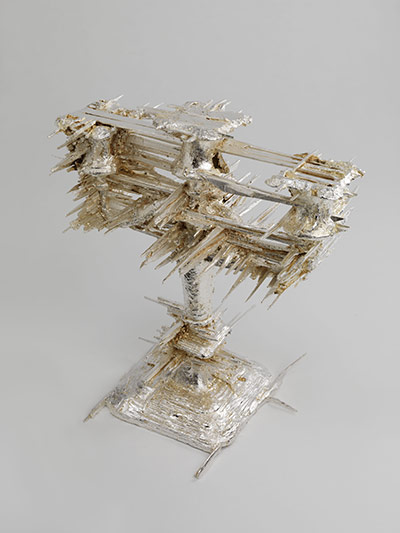
Shine was created by a process that uses digital techniques to explore the reflective properties of a metallic Victorian candelabrum. A planar 3D scanner was used to record the reflection of the object. The reflection was then used to create a rapid prototyped form, which was then cast to make an object
Photograph: Nick Moss
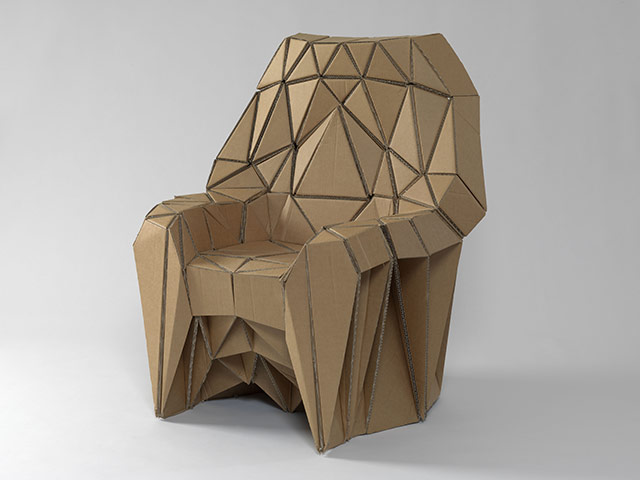
The design of the Bravais Armchair was inspired by column-shaped structural forms in nature. CAD was used to create the chair’s form, which was then put together using over 200 triangular cardboard columns
Photograph: Nick Moss
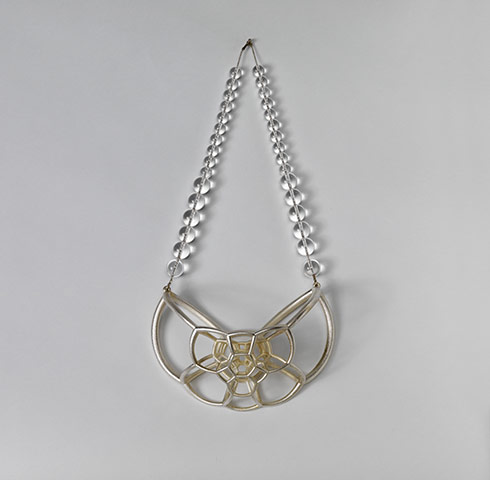
MacLachlan’s Bubble jewellery is made using digital tools, skills and processes to make delicate bubble and foam like structures. These are transformed into jewellery through wax casting and meticulous hand-finishing and polishing
Photograph: Nick Moss
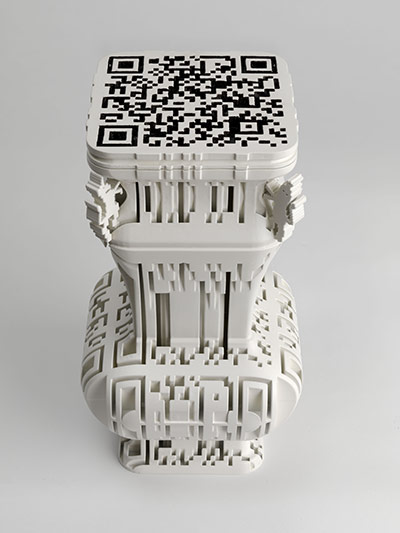
In this vessel, Eden likens the symbolic surface decoration on an ancient Chinese ceremonial wine vessel to the encoded information of a QR code. The vessel’s unique QR code forms the footprint of the piece, which is created by a 3D printing process, and so runs throughout the form
Photograph: Nick Moss
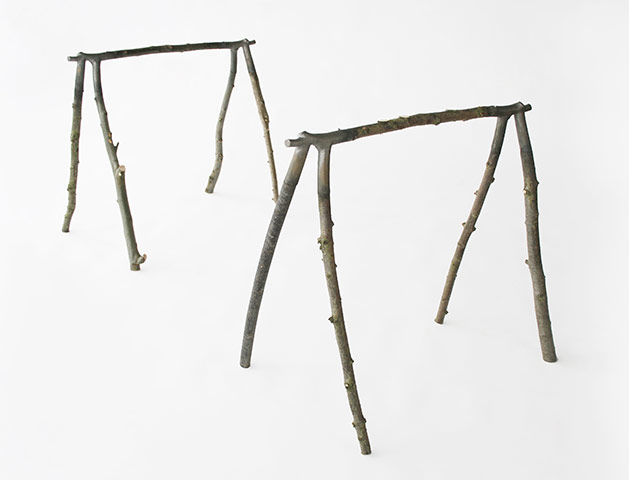
These trestles are inspired by fallen forest branches, which would otherwise eventually biodegrade into the earth. Tolstrup collected these branches and 3D scanned them before manipulating the scanned images using a 3D software programme. The resulting forms were then rapid prototyped, cast and then joined up with the fallen branches to make trestles Photograph: PR
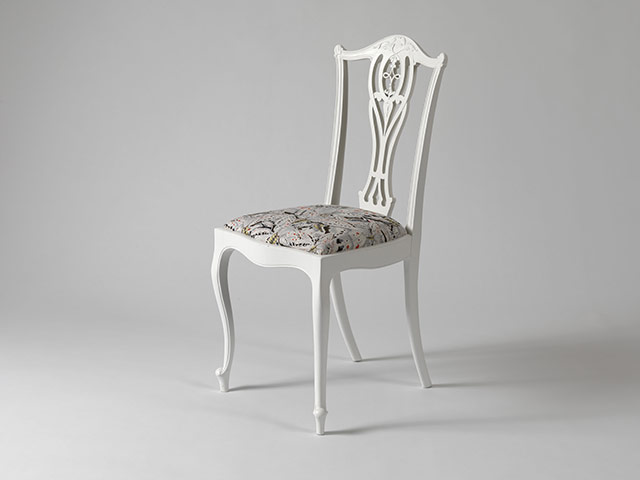
Timorous Beasties’ work often incorporates illustrations of triffid-like plants, birds and other animals. To create the White Moth All Over design they have repeatedly built up a scanned image of a white moth to create a busy and detailed pattern
Photograph: Nick Moss
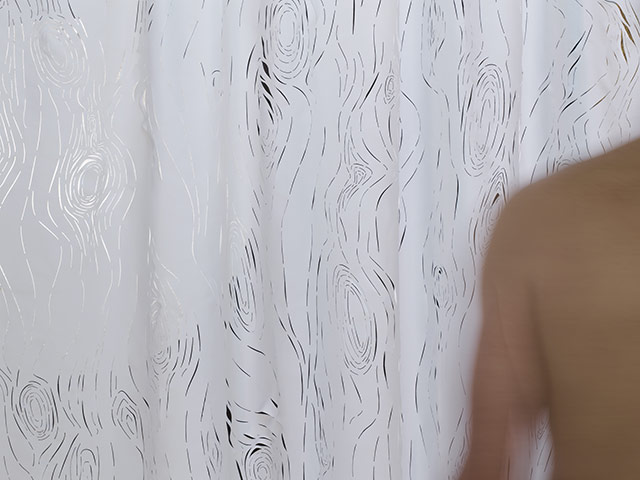
Boontje uses decoration and historical forms in his designs and often uses computers and industrial technology to achieve handmade and very decorative effects. The tree rings and wood grain pattern in ‘100 Years’ has been laser cut, in a way not possible by hand Photograph: PR


.jpg?w=600)