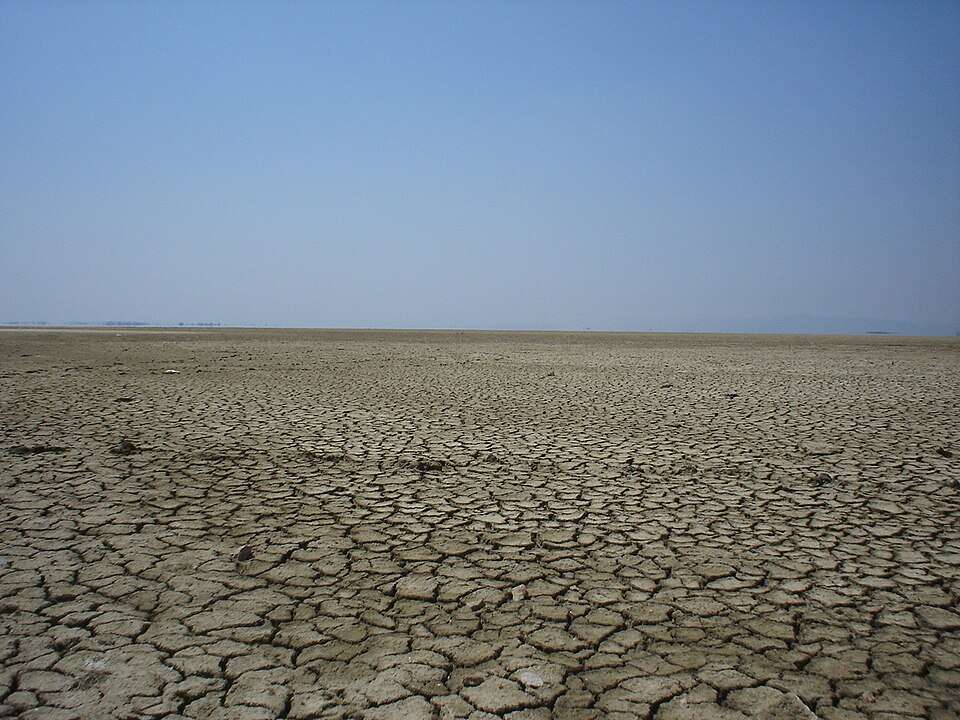
When water became scarce in Kyrgyzstan in 2021, one proposed solution was as unusual as it was controversial: fly helicopters into the mountains and scatter coal dust over snow to make it melt faster. The idea came from Ermamat Tagaev, a member of Kyrgyzstan’s parliament, who argued that accelerating snowmelt could increase flows into rivers and reservoirs and help ease the country’s water shortage. The proposal was never established as a water-management method, but the science behind one part of it was real: dark particles can make snow absorb more sunlight and melt faster. The problem was that turning that physical effect into a deliberate water-supply strategy would introduce a very different set of risks.
Get breaking news anytime, anywhere. Download the TOI app now!
When the mountains held back water
The country's dependence on mountain water makes changes in precipitation, snow cover and melt patterns particularly important for agriculture. A study published in Water in 2021 examined the vulnerability of Kyrgyzstan's agricultural systems to drought and found that water scarcity and changing climatic conditions can place significant pressure on agricultural production, particularly in areas dependent on irrigation.
The research also highlighted the importance of water availability and irrigation infrastructure in determining how severely drought affects farming. But releasing water more quickly is not necessarily the same as increasing the amount of water available to farmers. Snow in mountain watersheds acts as a natural store of precipitation, with its eventual melting contributing to river flows. Altering the timing of that melt could therefore affect when water reaches downstream areas, rather than simply creating an additional supply.
Why darkening snow makes it melt faster
Fresh snow is highly reflective. Much of the sunlight reaching its surface is bounced back rather than absorbed. Dark particles change that balance. Research has repeatedly shown that light-absorbing particles such as black carbon, mineral dust and coal dust can lower snow's albedo, meaning its ability to reflect sunlight. Once the surface becomes darker, more solar energy is absorbed, increasing the energy available for melting.
According to the Journal of Geophysical Research: Atmospheres , research was conducted near an active coal mine in Svalbard, Norway. Researchers measured snow and ice affected by coal dust and found that the dust reduced the snow's spectral reflectance by as much as 84% close to the mine and by 55% about half a kilometre downwind. The researchers concluded that coal dust can have a strong local effect on Arctic snow and ice by reducing its reflectivity. This evidence helps explain why the Kyrgyz proposal was not based on imaginary physics. But there is a major difference between observing accidental coal-dust contamination and deliberately spreading coal across mountain snow to obtain water.
A shortcut with consequences
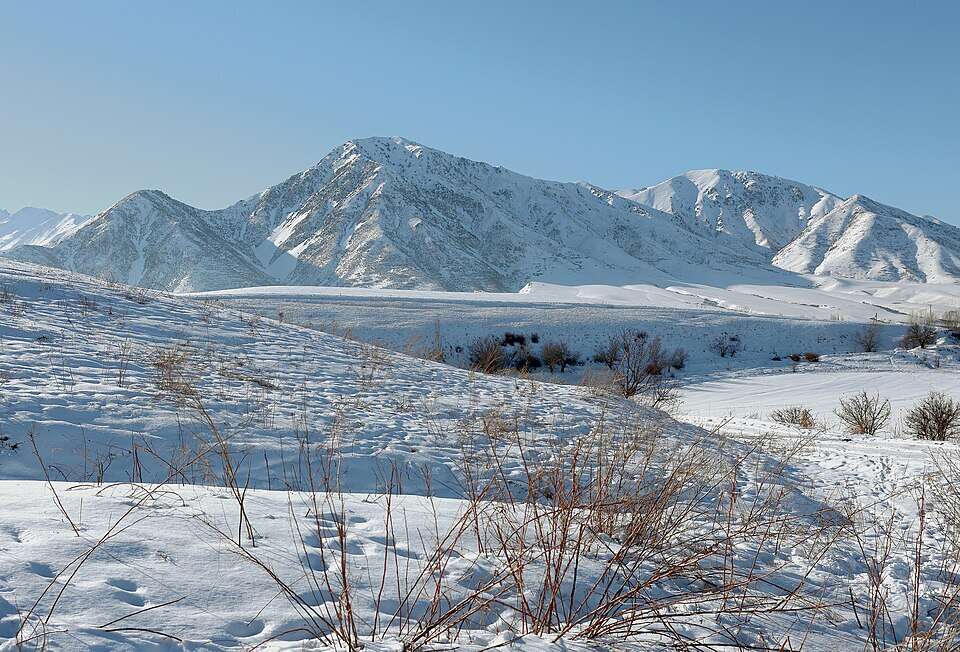
The proposal also ignores a distinction between accelerating snowmelt and increasing usable water supplies. Making snowmelt faster does not necessarily mean that the resulting water will reach farms or reservoirs when it is needed. In mountain watersheds, snow naturally stores water and releases it as temperatures rise. Changing the rate of that release could therefore alter the timing of water availability rather than simply increase the overall supply.
There is also the question of what would happen to the coal dust itself. Deliberately spreading coal particles across mountain snow would introduce material into an environment connected to downstream soils and waterways. Any assessment of the idea would therefore need to consider not only whether the dust could accelerate melting, but also where the particles would go as the snow disappeared and what effects they might have on the surrounding environment.
This example shows the contrast between a physical phenomenon and a water-management solution. Dark-colored particles can lower the reflectivity of the snow and absorb more heat from the sun, resulting in faster melting of snow. But that does not mean using coal dust on mountain snow would guarantee an extra water supply. This also raises a broader issue for mountainous regions facing water scarcity.