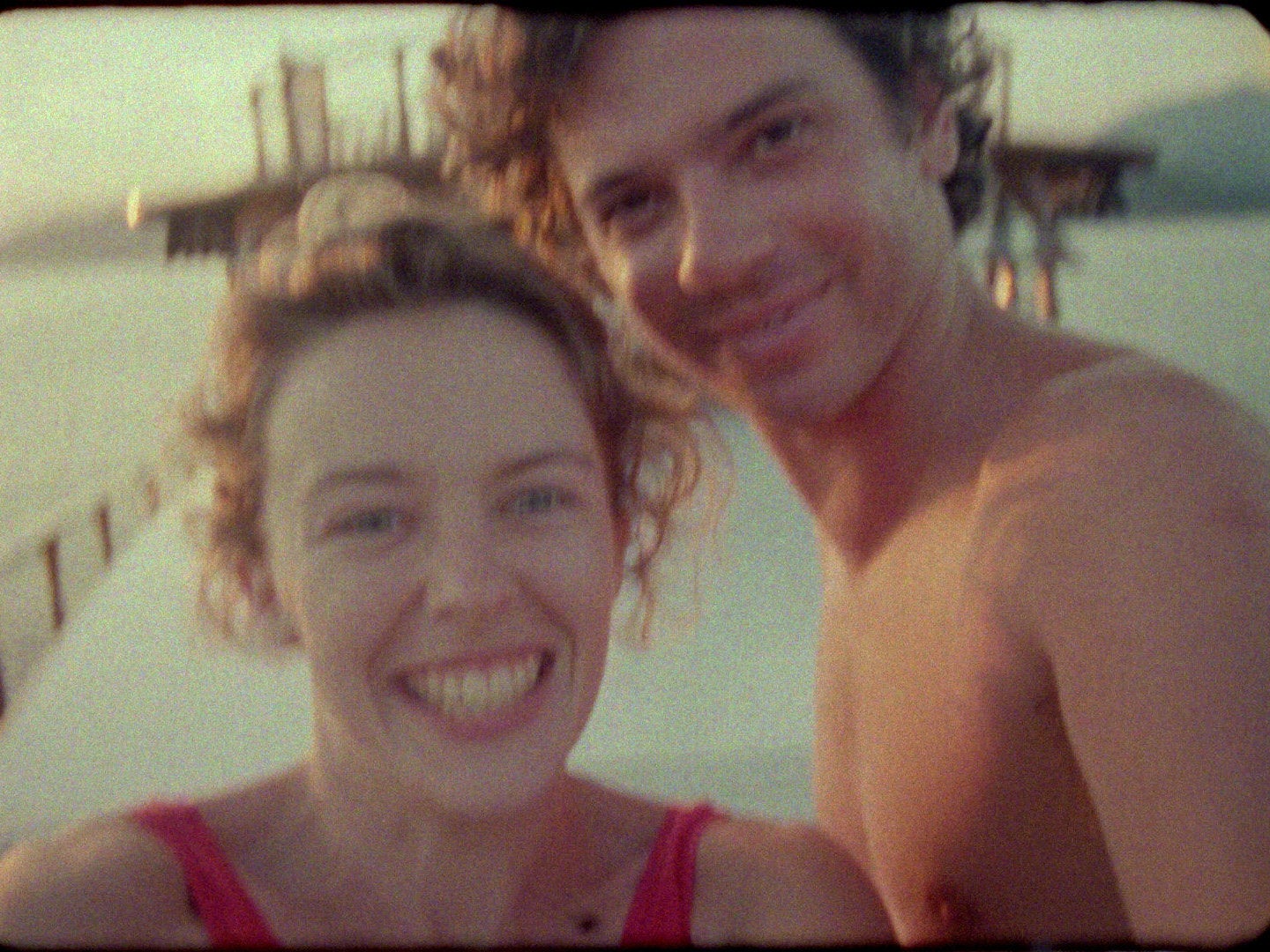
Kylie Minogue won’t be dating another narcissist and has called it her “red hot ‘no’” ahead of the release of her new Netflix documentary Kylie yesterday – a no-holds-barred three-part series about her life and career.
In the documentary, the now single Australian singer, 57, talks about looking for the same love she had with INXS frontman Michael Hutchence, whom she dated from 1989 until 1991, but sadly, she met a narcissist along the way. She told the Sunday Times Style magazine: “Narcissists. I’ve dated one, and I’m very grateful I now have that knowledge.”
Yet while Kylie says that she’s “getting pickier” with the men she dates, I am screening anybody new I come into contact with to avoid narcissists touching any part of my life, be that love, work, family or friendship circle.
I’ve known a few – and I do not want a repeat. While my dad demonstrated narcissistic personality traits rather than the full-blown disorder, his expectation that we had to be jolly and happy all the time to assuage his own problematic personal life left me wounded, confused and in need of therapy. I was thrust into the role of “golden child” in a large family of five half-siblings. I always had to be perfect and spent my early adult life seeking his approval, until I finally imploded aged 20, and went into rehab for alcoholism.
But it was only when I read Kathleen Saxton’s book My Parent the Peacock: Discovery and Recovery from Narcissistic Parenting last year that I began to delve a little deeper into a few more troublesome relationships, and it all began to make sense.
I’d constantly feel provoked by someone close to me, especially at big family events where they’d start a fight with me but I’d end up looking like the baddie. I discovered from talking to Saxton that they were demonstrating “covert” traits. These characterise a narcissist who is often hidden in plain sight and gains their “narcissistic supply” – that is, the attention they desire – through a more introverted, subtle form of victimhood using manipulation to create tension or fracture.
“Often their behaviour becomes so intolerable that we retaliate in some form – and then we are framed as being abusive,” says Saxton, a psychotherapist, who adds: “It is termed ‘reactionary abuse’ because, in fact, it’s a normal reaction to their abnormal behaviour – and it's cumulative – so we blow a gasket.”
Another narcissist I was unlucky enough to meet was the “grandiose “ type – the most well-known version; someone who is full of self-proclaimed brilliance and who shows a complete lack of empathy and is enraged by criticism. I ended up doubting myself and found myself in the firing line, constantly being gaslighted.
“This type of narcissist – especially those in positions of power – begin to knock your self-esteem, and belief in your skills and leave you not feeling good enough,” says Saxton, whose new book Sly and Mighty: How to Recognize, Resist and Rise Above Toxic Power is out in September.
“They make out they are incredibly special and they have to make out you are deficient in some way to boost their specialness,” Saxton continues.
Often narcissists have a great charm – lovebomb us, making us feel a million dollars – and make us feel that we’ve finally found the one we’ve always been looking for
Kathleen Saxton, author
“If anybody questions their ability, ot threatens their position of power, they will throw them under a bus.” It’s a deflection of their fractured ego, Saxton explains. “Deep down they are deeply insecure, worried and vulnerable. Without their ego boosted, they risk ‘narcissistic collapse’ which is the worst thing that could ever happen to them.”
So the question remains, how do we spot a true narcissist and get the “knowledge” that Kylie talks about– and avoid them once and for all?
“Often they have a great charm – lovebomb us, making us feel a million dollars – and make us feel that we’ve finally found the one we’ve always been looking for,” she says about dating a narcissist. But unfortunately, she adds, relatively fast, they introduce intermittent reinforcement, unpredictably, alternating between intense affection and coldness, which is designed to keep you off balance and emotionally dependent.
“Sadly, you need to be armed to be warned,” Saxton tells me, “and we don’t fully understand the impact of narcissistic abuse until we’ve experienced it at the hands of a parent, a partner, a sibling, a friend or a boss,” she says.
Red flags include a connection that happens very fast and feels too good to be true, and also if the initial excitement of being with somebody turns quickly to anxiety.
“Check your central nervous system to what is going on,” she advises. And be mindful of the first disagreement or argument.
“If there is a lack of accountability and responsibility and an inclination to go to victimhood or swiftly blame others, that would be a warning,” she says.
Other warnings include treating any feedback as a criticism, having multiple friendship/relationship fallouts, and changing jobs often.
Most people have traits of narcissism, which include selfishness, a need for admiration, and some struggle with criticism and empathy. The other forms of narcissism, however, are less common. There are those who have a narcissistic personality, like my dad, in which spectrum narcissistic behaviours are commonly seen on a daily basis, and then there is narcissistic personality disorder (NPD), an extreme version of narcissism, which is present 24/7 – and unbearable to be around.
Worse than narcissists are the “dark triad” – somebody with machiavellianism, narcissism, and psychopathy, or, even worse, “dark tetrad” with a fourth component: sadism.
But while social media has done much to highlight what has been recognised as a diagnosable personality disorder since 1980, narcissism has also become the latest buzzword, often misused on people who are just a bit selfish or moody.
“It’s important to get educated – but in the right way,” Saxton tells me, “by avoiding well-meaning influencers who claim to understand narcissism, but have no clinical understanding of it at all.”
I’m finally free of any narcissists in my life for the first time ever – and every day feels sunnier and lighter because of that. My anxiety levels have disappeared – and I am not on edge, worrying about a narcissist’s next move, or doubting myself, or living in emotional pain and trauma.
“You are just an object in their life which they are using – and you have to play that role diligently or you’ll know about it,” Saxton tells me. Armed with knowledge like Kylie, I can now side-step it forever – and firmly shut the door on them.