Almost every krill fishing company operating in Antarctica has vowed to stop working in the region’s wildlife-rich waters.
The action will see operations abandoned in huge areas around the Antarctic Peninsula from 2020, including “buffer zones” around breeding colonies of penguins.
As a result, there will be no krill entering the UK that has been caught in sensitive ecosystems.
The companies have also agreed to back a campaign supported by 1.7 million people globally pushing for the creation of a vast network of Antarctic protected zones, including a 1.8 million square km area in the Weddell Sea.
If successful, the proposed Antarctic ocean sanctuary would be the largest wildlife reserve on the planet.
Krill are a key food source for whales, seals and penguins, but industrial fisheries targeting these tiny creatures have been growing in size to meet the demands of the fish feed and health food industries.
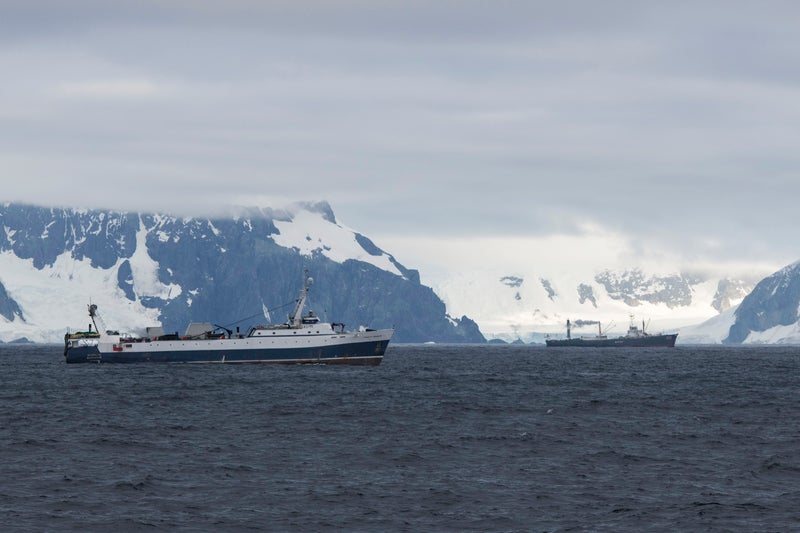
Along with with climate change, this has led to steep declines in krill numbers which have had knock-on effects on the animals that eat them.
The Greenpeace-led campaign to protect the pristine polar waters from further human encroachment has been backed by politicians, scientists and activists.
Now, with the support of 85 per cent of the Antarctic krill fishing industry via the Association of Responsible Krill harvesting companies (ARK), they hope the plan to create a huge ocean sanctuary will get the go-ahead in October when key stakeholders meet.
“This is a bold and progressive move from these krill fishing companies, and we hope to see the remainder of the krill industry follow suit,” said Dr Frida Bengtsson from Greenpeace’s Protect the Antarctic campaign.
Andrea Kavanagh, director of Antarctic and Southern Ocean conservation at Pew Charitable Trusts said ARK’s decision was “a truly visionary step that more commercial fishing interests in Antarctica and around the world should follow.”
“Cooperation among scientists, governments, industry, and conservation groups is the surest bet to protecting the 30 percent of the ocean that scientists tell us is needed to maintain global ocean health.”
Kristine Hartmann of Aker BioMarine, the largest krill fishing company in the world said their commitment showed “it is possible for no-fish zones and sustainable fisheries to co-exist”.
The action taken by Aker BioMarine and other companies removes a major barrier to the political process of marine sanctuary creation, as krill fishing is the main industry in Antarctic waters.
Though the voluntary action was welcomed, experts emphasised the need to enshrine these protections in law with marine protected zones that ban fishing altogether in wildlife havens.
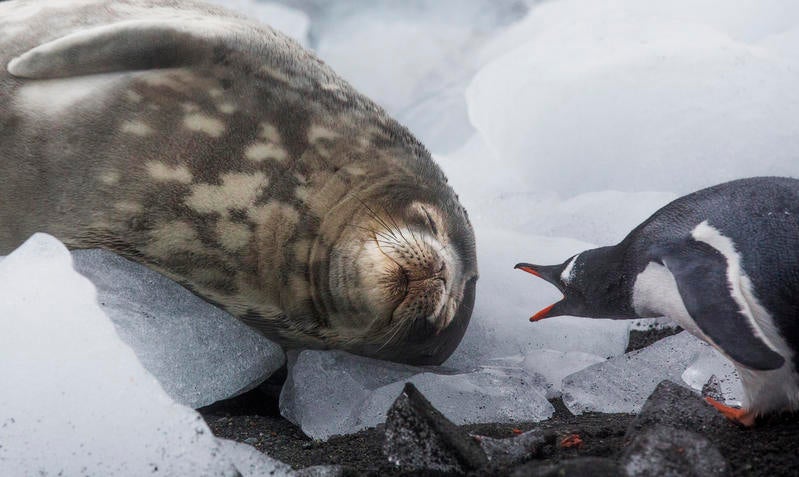
“A comprehensive and effective network of marine protected areas surrounding the continent – which must include no-take marine sanctuaries – is essential for safeguarding biodiversity and improving sustainable fisheries,” said Chris Johnson, World Wide Fund for Nature's (WWF) Antarctica programme lead.
“The accelerating impact of humanity on fragile ocean ecosystems, including from climate change, makes this commitment to Antarctic protection all the more timely.”
The final decision on these zones will be taken by the Commission for the Conservation of Antarctic Marine Living Resources (CCAMLR) when it convenes in Hobart, Tasmania, in October.
“When the proposal is on the table to create a huge Antarctic ocean sanctuary in the Weddell Sea, politicians must know that the eyes of the world and the weight of history are upon them,” said Dr Bengtsson.