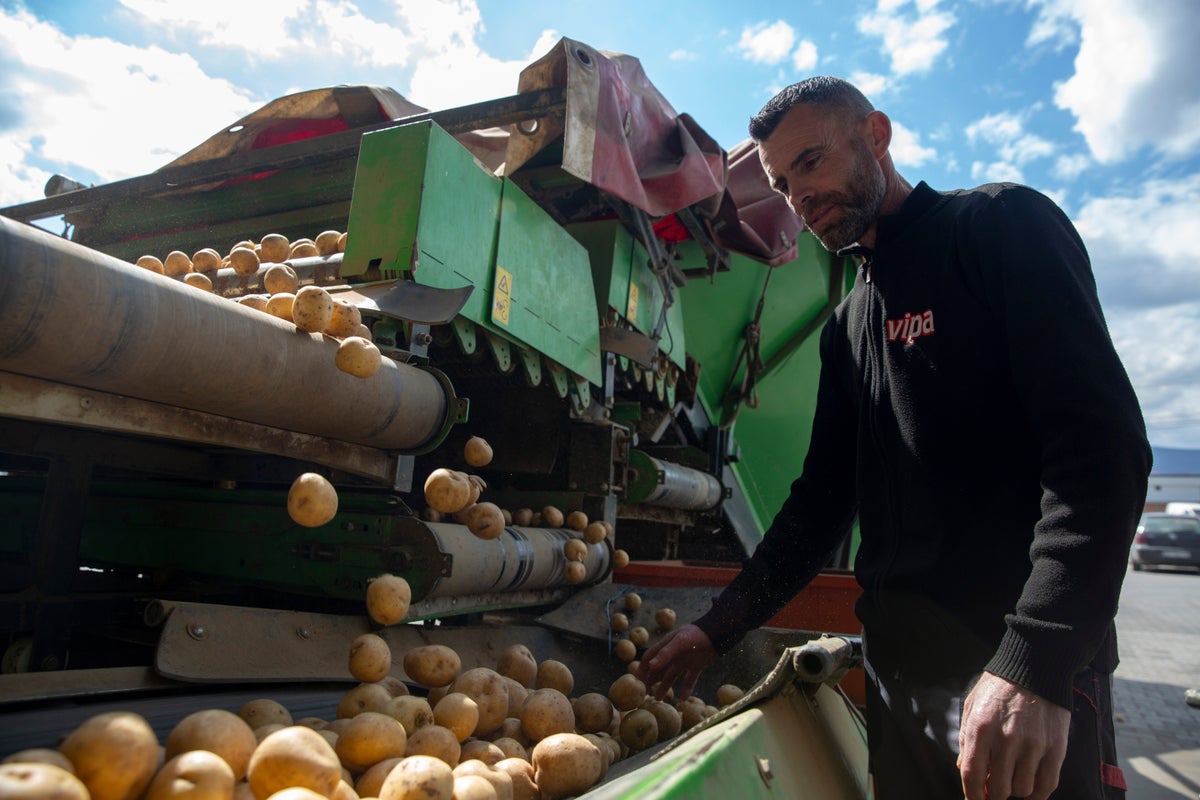
Kushtrim Ajvazi takes immense pride in managing a thriving business within one of Europe's most economically challenged nations.
His company, Pestova, produces popular potato chips and snacks, a staple in almost every Kosovan shop and a growing export.
However, this success is now overshadowed by unforeseen challenges, primarily a steep surge in fuel prices.
These increases, attributed to the war in Iran, have sent ripple effects across to this small corner of southeastern Europe, impacting Pestova's operations significantly.
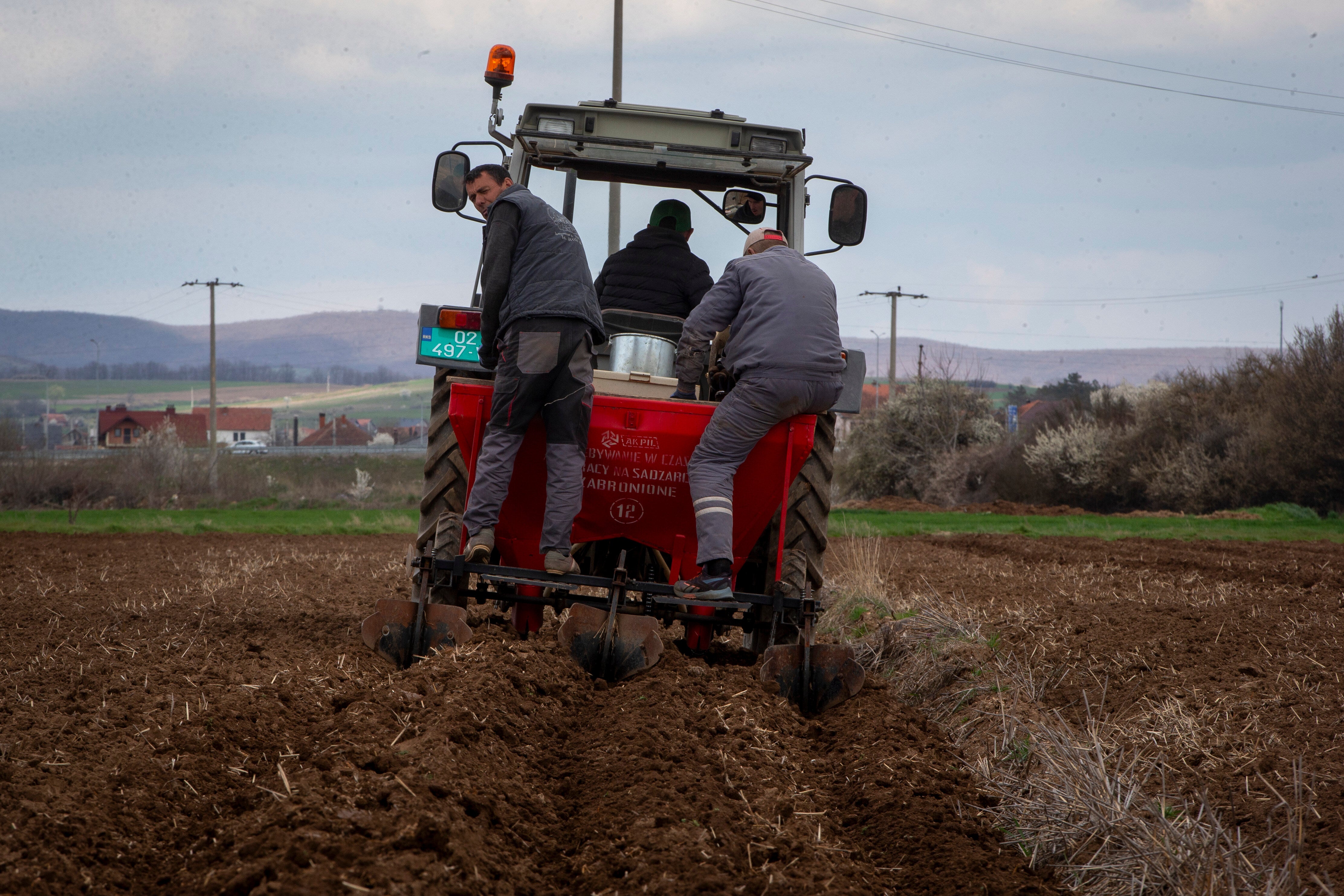
The company cultivates nearly 100 acres of potato fields in eastern Kosovo, which supply the potatoes for their Vipa brand chips.
Both the firm's production and its extensive distribution network have been hit hard, as the wholesale price of fuel escalated from €1.10 ($1.27) to up to €1.70 ($1.96), according to Mr Ajvazi.
Kosovo lacks its own domestic fuel production, meaning prices for diesel and petrol are set by importers, whose profit margins are capped at 12 per cent.
With spring marking the crucial potato planting season, Mr Ajvazi has urged the government to intervene and alleviate the financial burden.
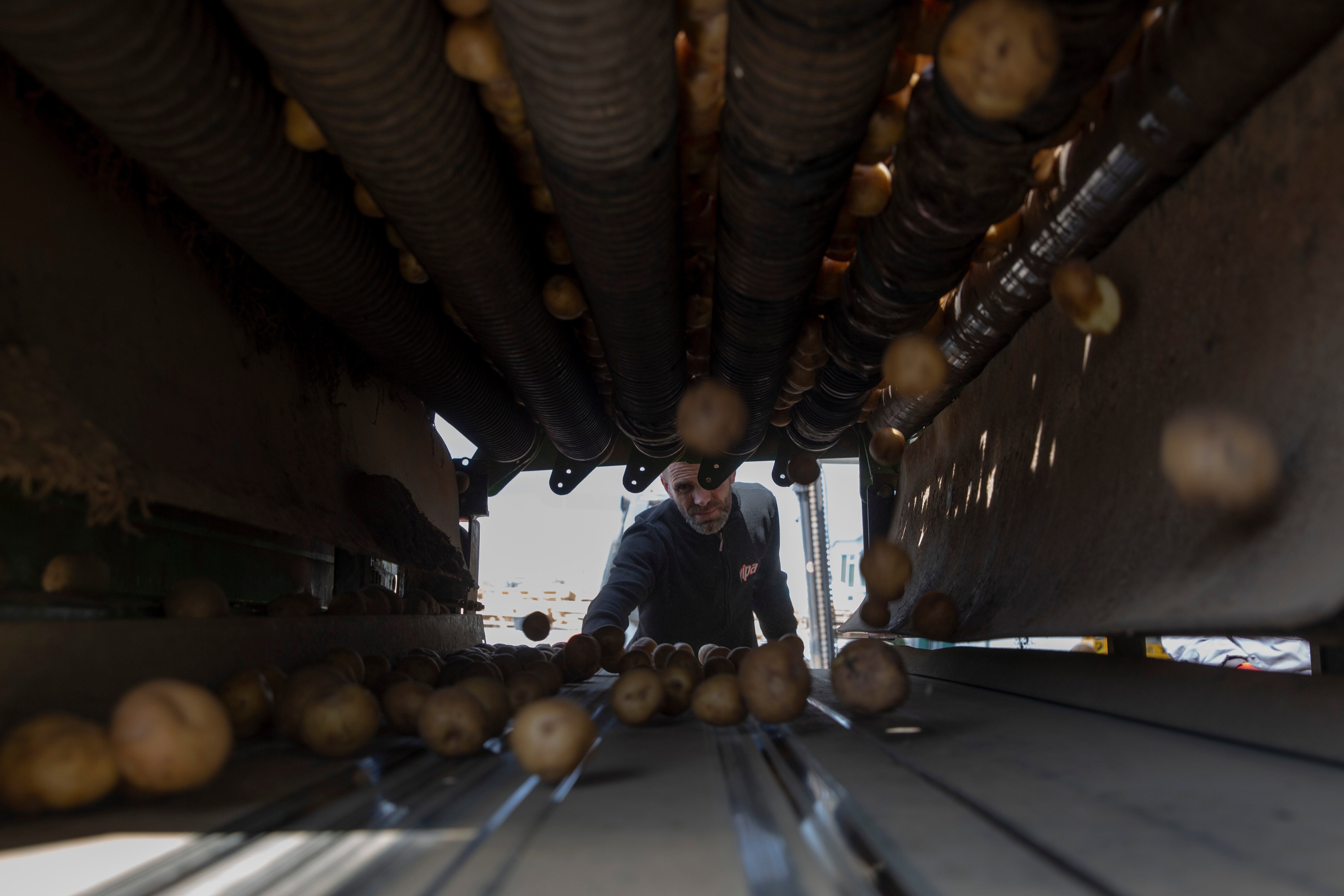
He stated that the company's fuel costs are "extremely high." While fertiliser prices have also risen, Pestova had sufficient reserves to mitigate that particular impact for now.
“We are analysing and calculating every additional cost, and if we see that this process of rising costs continues, we will be forced to adjust our prices," Ajvazi said.
While other countries in Balkans have put in place measures to ease the effects on farmers, Kosovo's government is yet to act. The government did not respond to questions.
Romania, Hungary and Serbia have introduced special diesel prices for farmers or lowered the state tax income.
In Kosovo, economic experts warned that the government should urgently respond in case of a further price increase, to prevent greater damage to the economy.
“There is not one sector that is not affected by the price increase," economist Safet Gerxhaliu said.
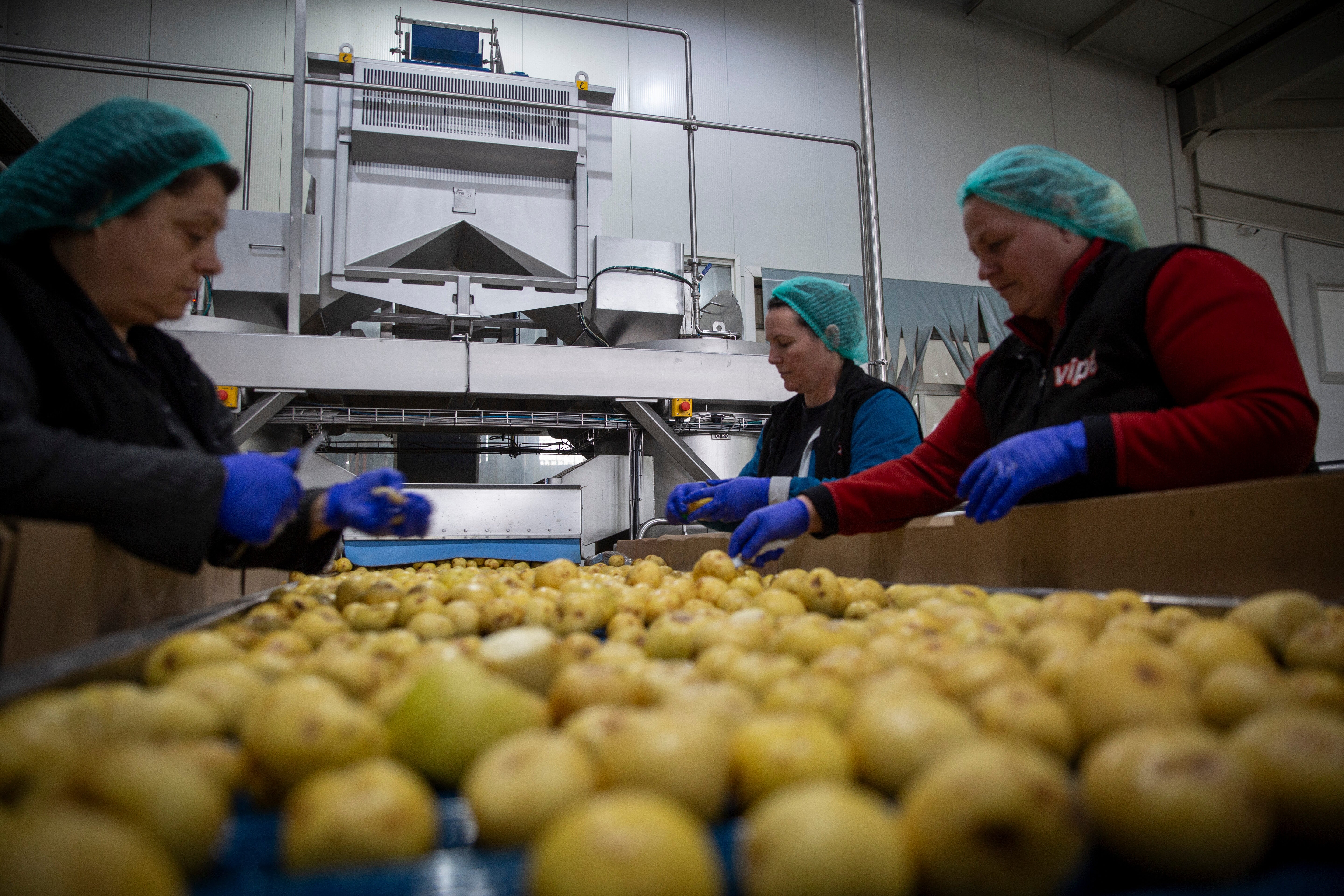
Ajvazi said his company faces additional problems because around 40 per cent of production is exported with prearranged, fixed prices that can be changed only with a 90-day advance notice. He said it is hard to plan anything without stable prices.
“We call on the government to ease this phase for us," he said. "We are a company that exports to more than 23 different countries, including those in Europe.”
The price hike has also burdened ordinary citizens. Bardh Mehmeti, an IT professional from the capital, Pristina, said he now pays €100 ($115) for a full tank, up from €80 ($92) before the crisis. Mehmeti is now “seriously considering" ways to get an electric car.
Kosovo's economy has struggled ever since the country declared independence from Serbia in 2008 following a war.
Serbia does not recognise the split, and the unresolved situation has stalled the countries in their bids to join the European Union.
Also affecting Kosovo's economic situation has been a prolonged political crisis that left the country without a fully functioning government for much of last year. The current government of Prime Minster Albin Kurti is again in a stalemate over a failure to elect a new president.
The main opposition Democratic Party has criticised what it calls government inaction and urged temporary tax cuts to help ease the burden on citizens and businesses.
Trump says intelligence chief Tulsi Gabbard is softer than him on Iran nuclear issue
Trump ‘planning high-risk operation to seize Iran’s uranium using US troops’
Iran-US war latest: Trump says it would be ‘easy’ to seize Kharg Island
Reeves is ‘oblivious’ to the Iran war cost of living crisis, blasts Kemi Badenoch
Trump allows Russian oil tanker to enter Cuba despite blockade
Ukraine war latest: Kyiv strikes chemical plant deep behind enemy lines with drones