Joy, disbelief as Korean families separated by war meet after 65 years
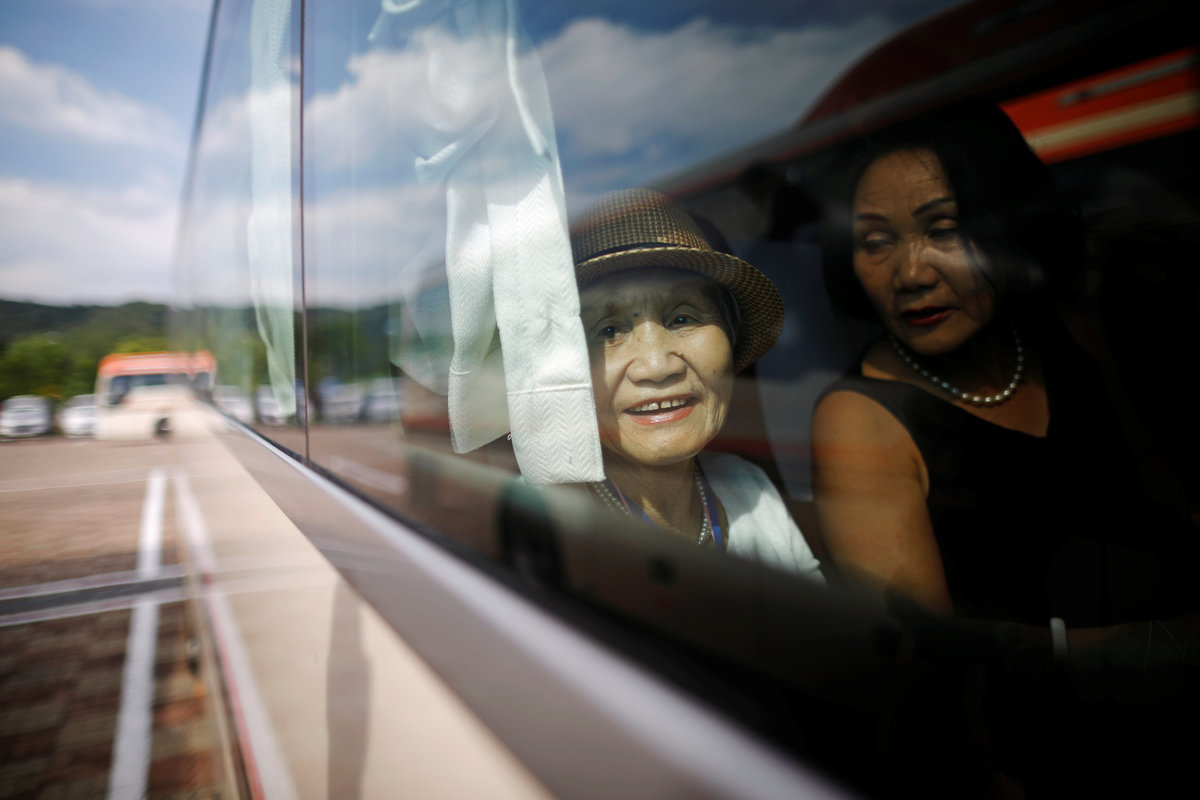
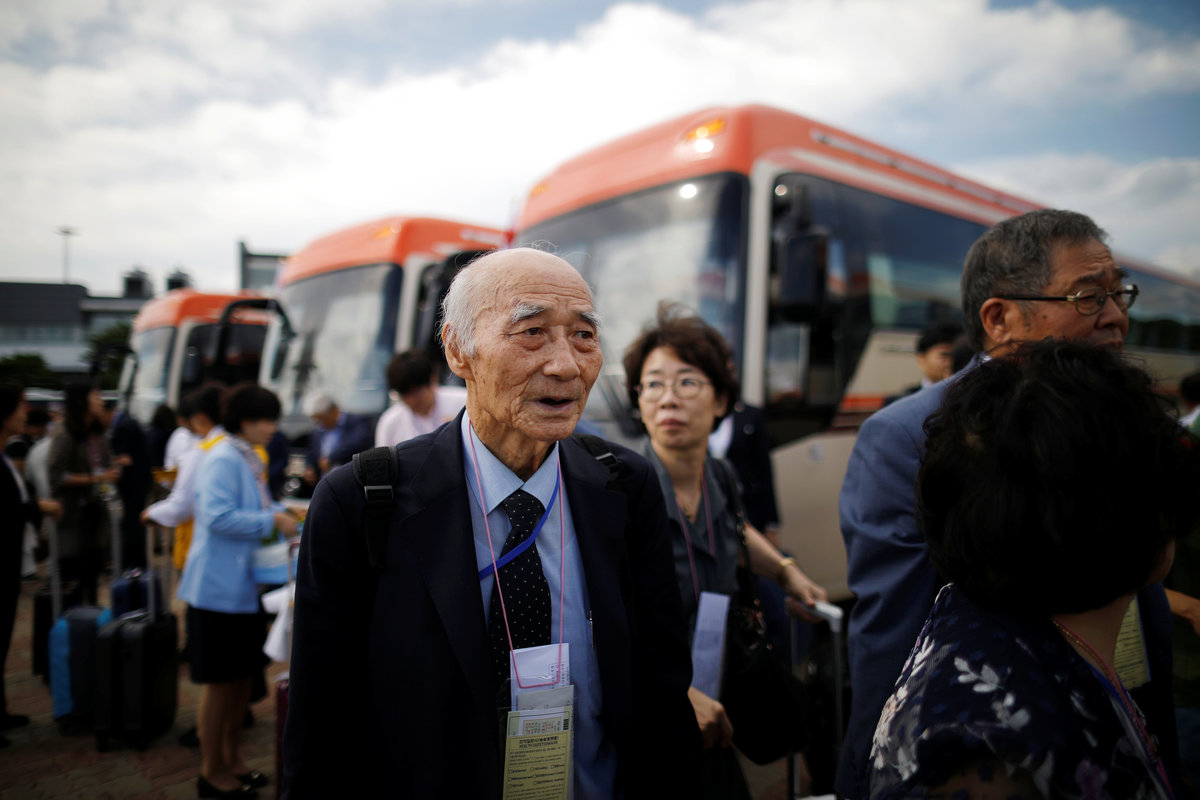
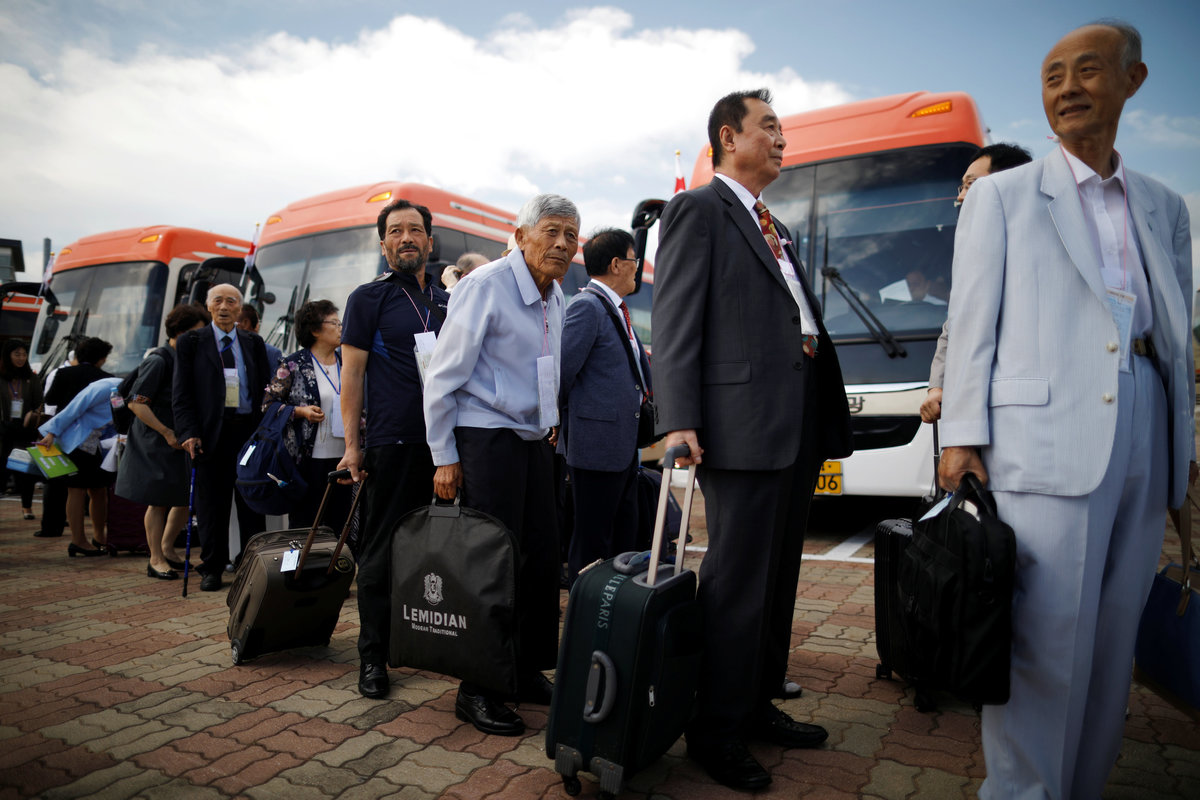
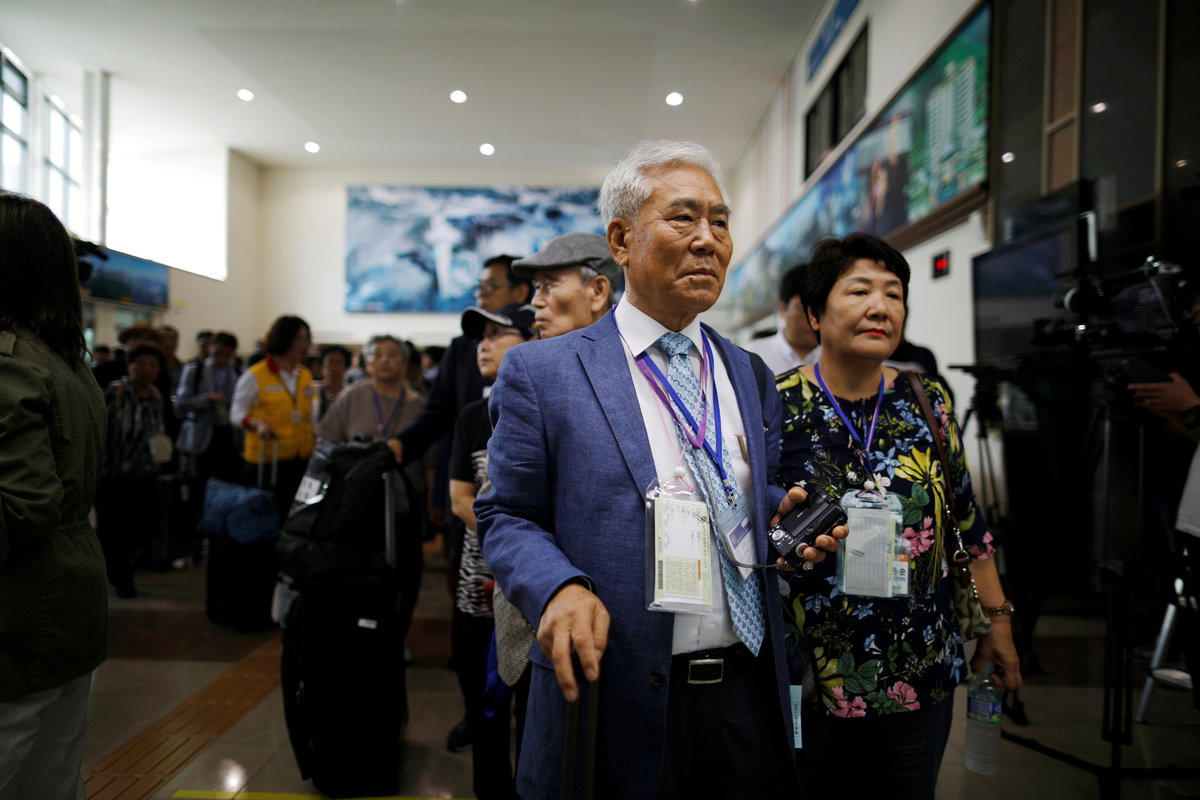
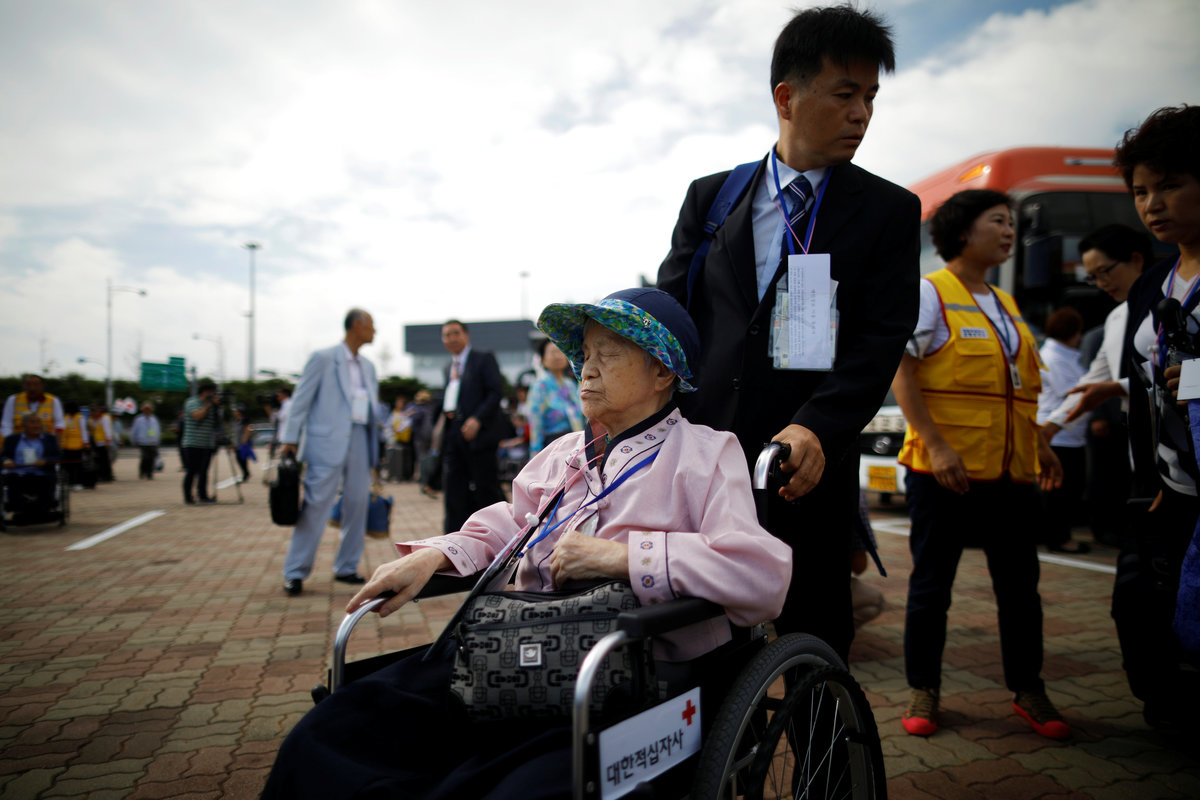
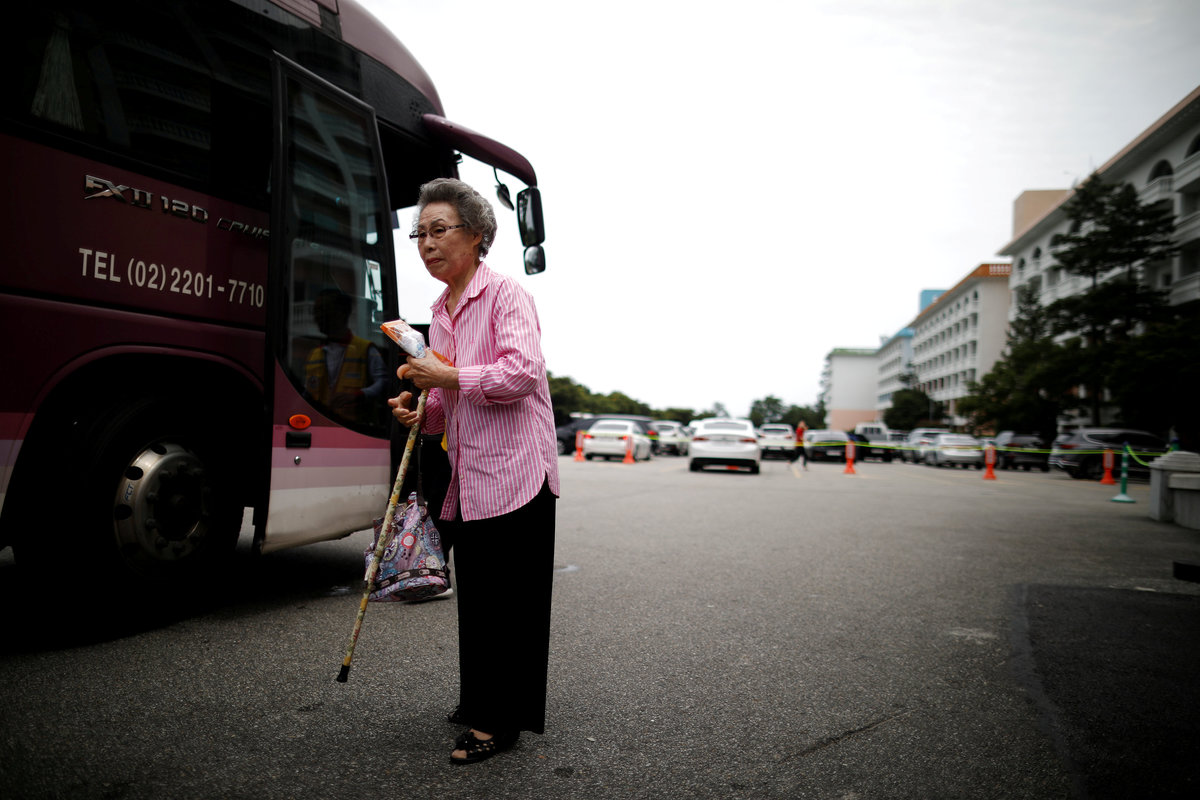
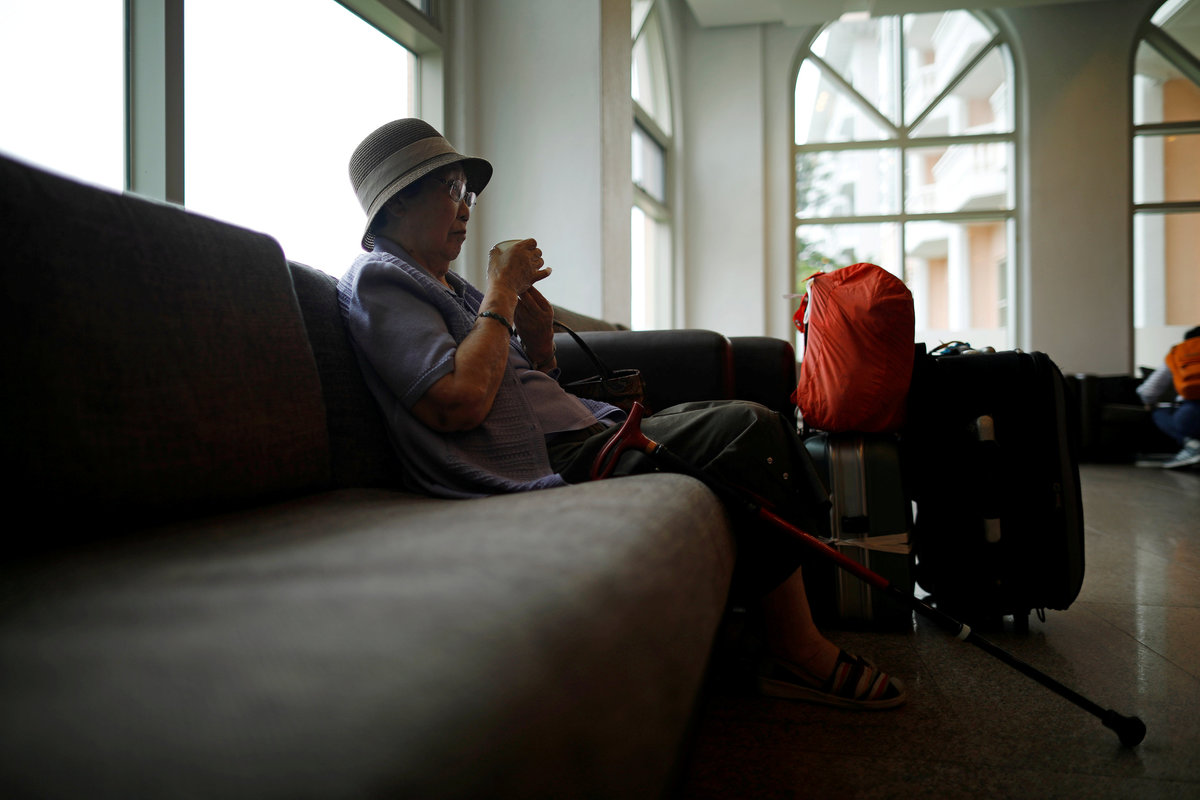
A South Korean participant for a reunion sits inside a bus as she arrives at the South's CIQ (Customs, Immigration and Quarantine), just south of the DMZ in Goseong, South Korea, August 20, 2018. REUTERS/Kim Hong-Ji
SEOUL (Reuters) - About 90 families from North and South Korea wept and embraced on Monday as the neighbours held their first reunion events in three years for relatives wrenched apart by the Korean War for more than six decades.
The brief reunions are set to total just 11 hours over the next three days in the North's tourist resort of Mount Kumgang after the neighbours renewed exchanges this year following a standoff over Pyongyang's nuclear and missile programmes.
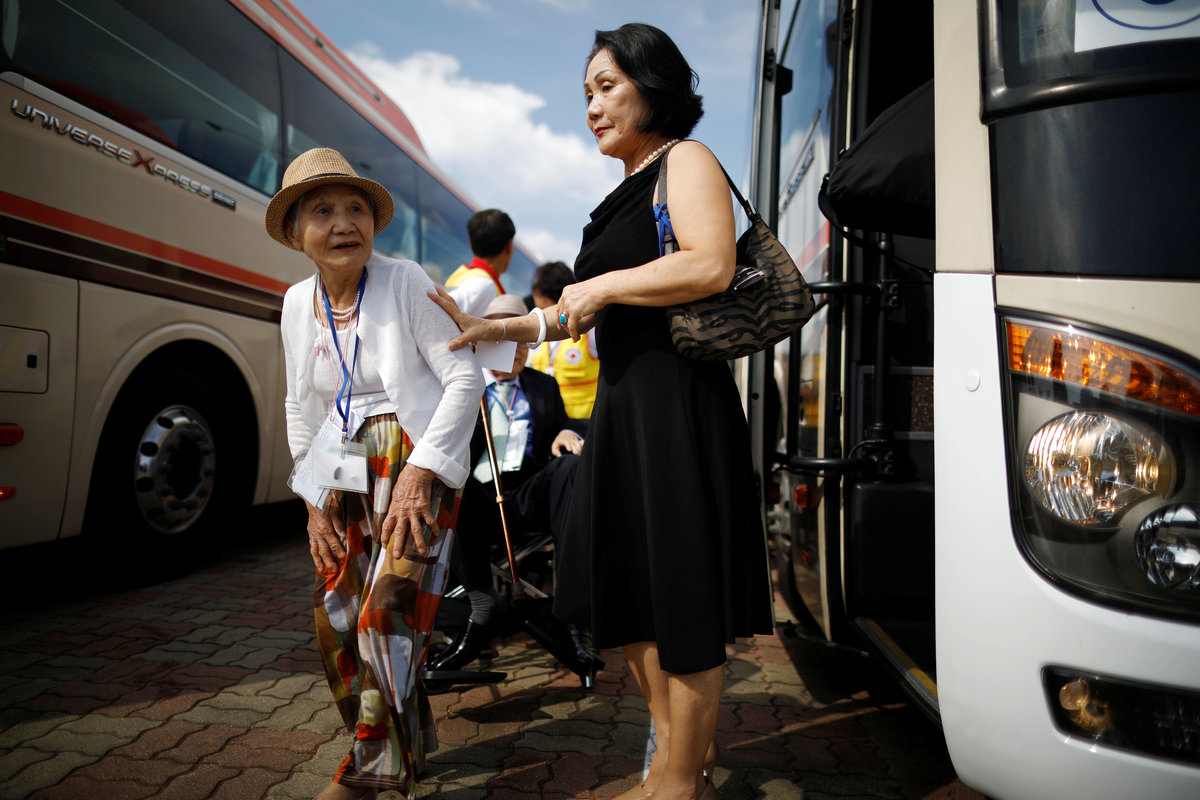
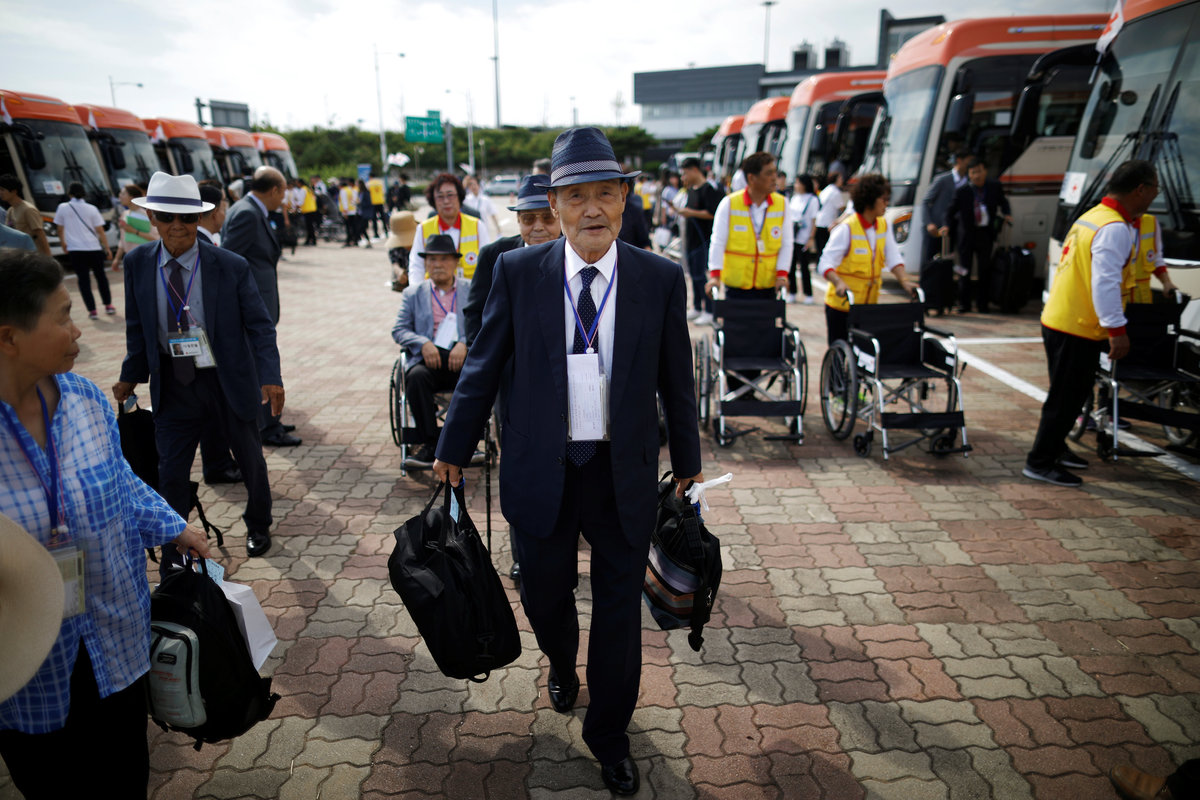
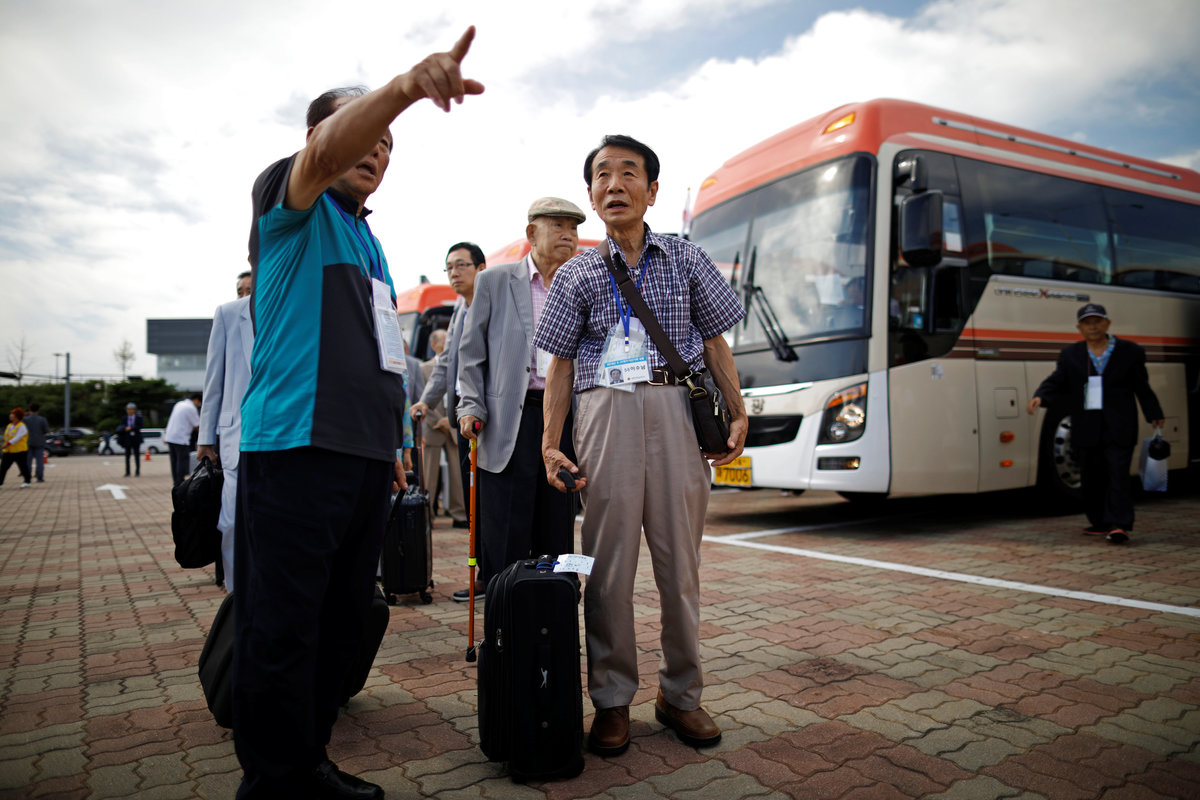
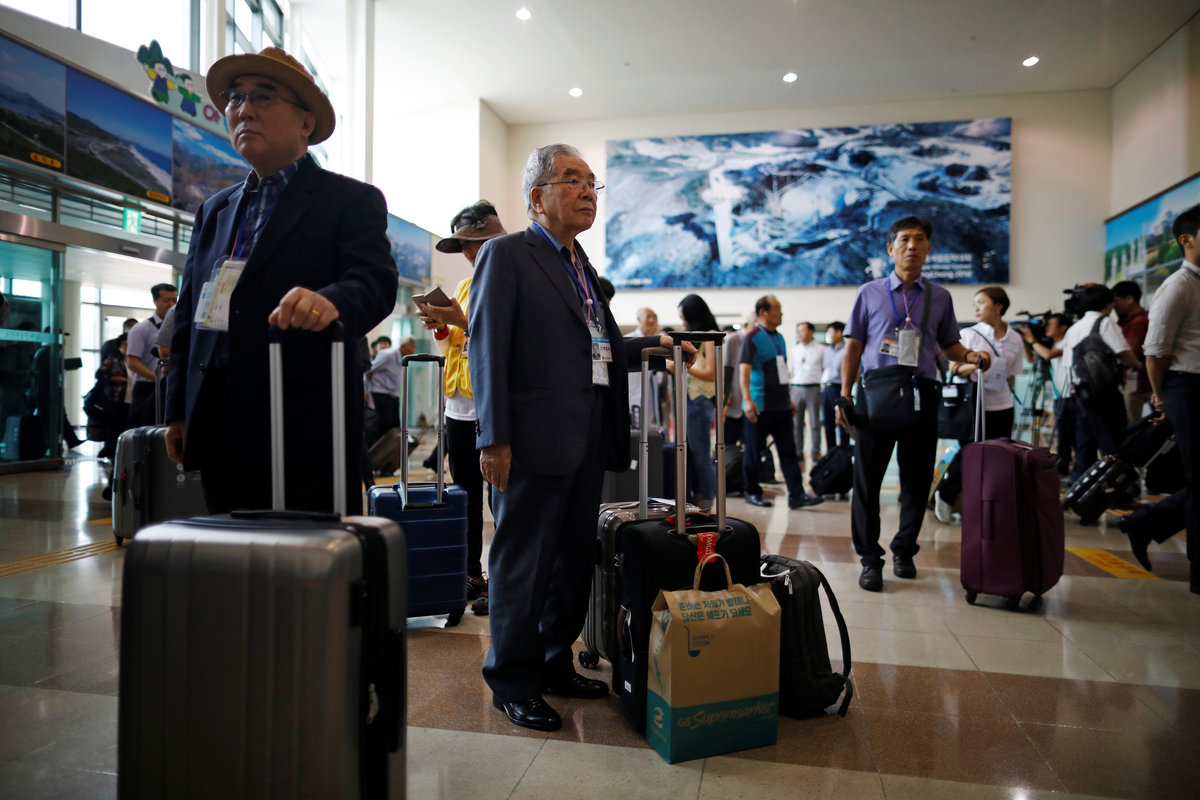
South Korean participants for a reunion arrive at the South's CIQ (Customs, Immigration and Quarantine), just south of the DMZ in Goseong, South Korea, August 20, 2018. REUTERS/Kim Hong-Ji
North Korean leader Kim Jong Un and South Korean President Moon Jae-in agreed to the reunion events at a summit in April.
About 330 South Koreans from 89 families, many in wheelchairs, embraced 185 separated relatives from the North with tears, joy and disbelief. Some struggled to recognise family not glimpsed in more than 60 years.
"How are you so old?" Kim Dal-in, 92, asked his sister, Yu Dok, after gazing at her briefly in silence.
South Korean participants for a reunion arrive at the South's CIQ (Customs, Immigration and Quarantine), just south of the DMZ in Goseong, South Korea, August 20, 2018. REUTERS/Kim Hong-Ji
"I've lived this long to meet you," replied the 85-year-old, wiping away tears as she clasped a photograph of her brother in his youth.
Siblings Kim Gyong Sil, 72 and Gyong Yong, 71, wearing the traditional hanbok dress, coloured pale violet, stood nervously staring at the entrance, awaiting their 99-year-old mother Han Shin-ja. They could not speak for minutes, wailed loudly and rubbed their cheeks and hands.
"When I fled home in the war...," Han said, faltering as she choked with emotion and left her sentence incomplete.
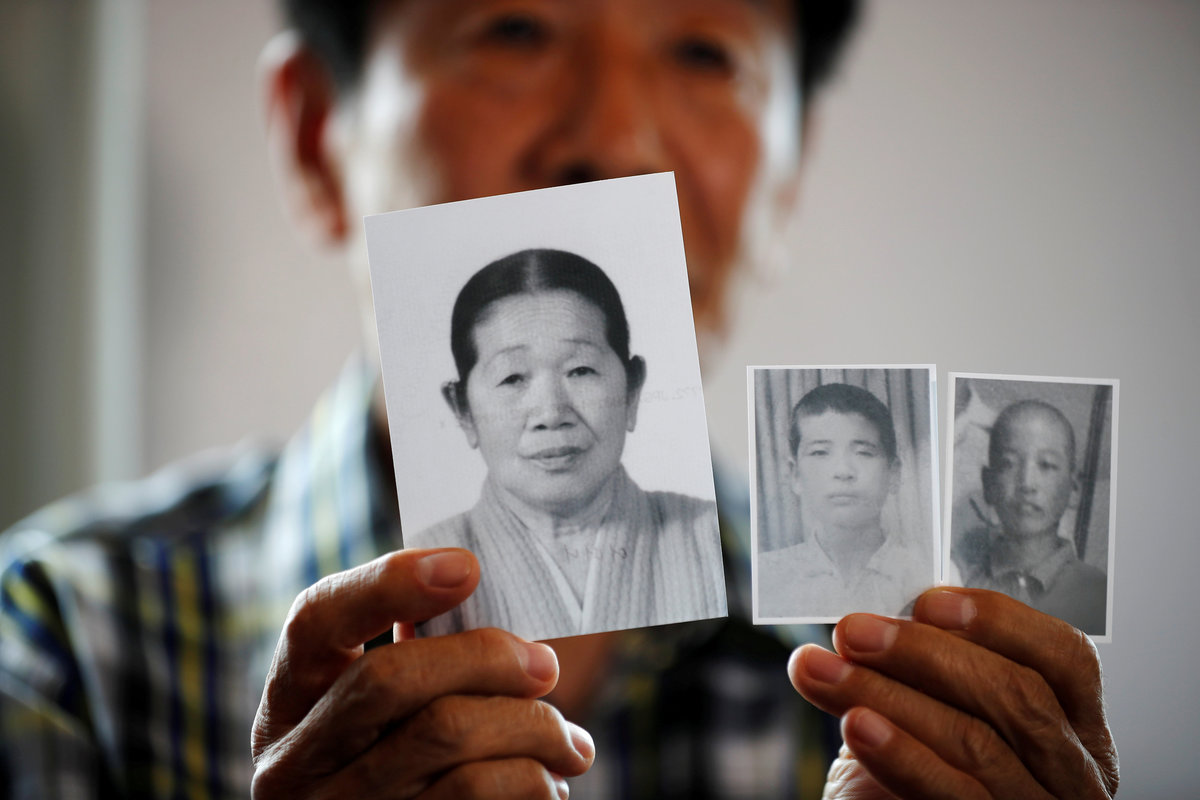
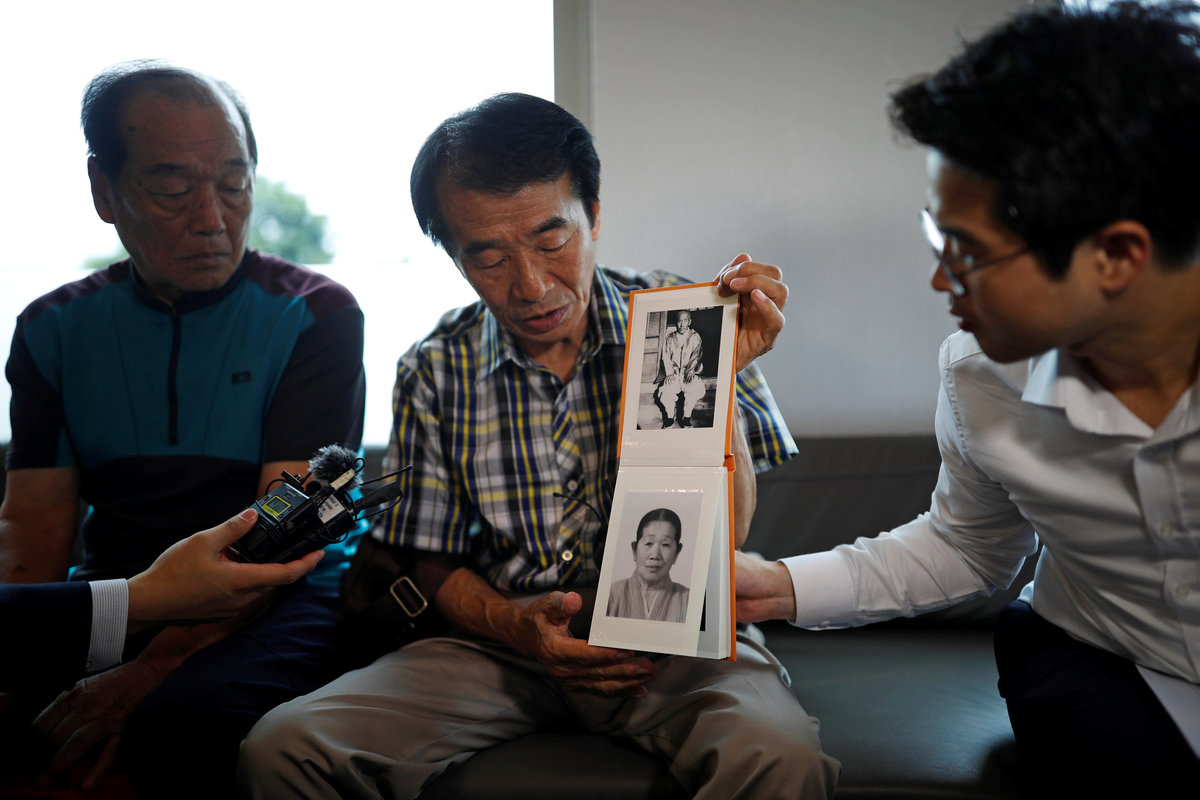
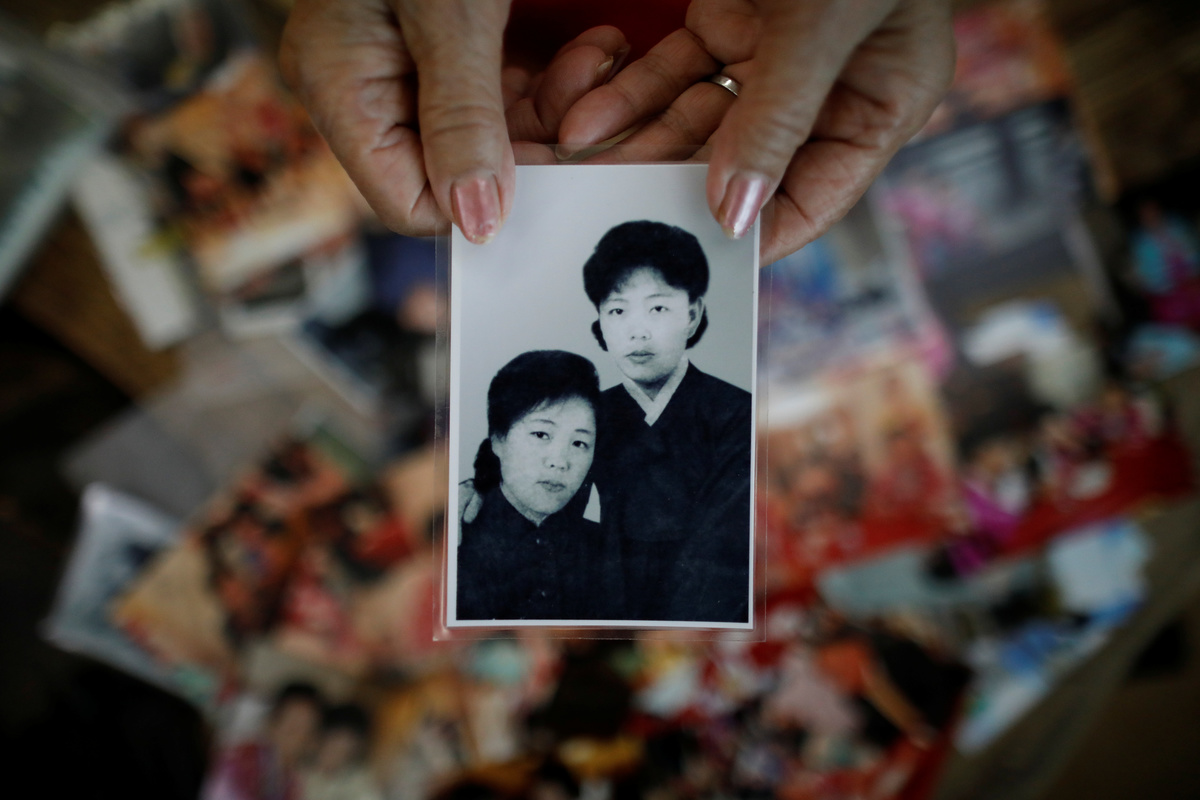
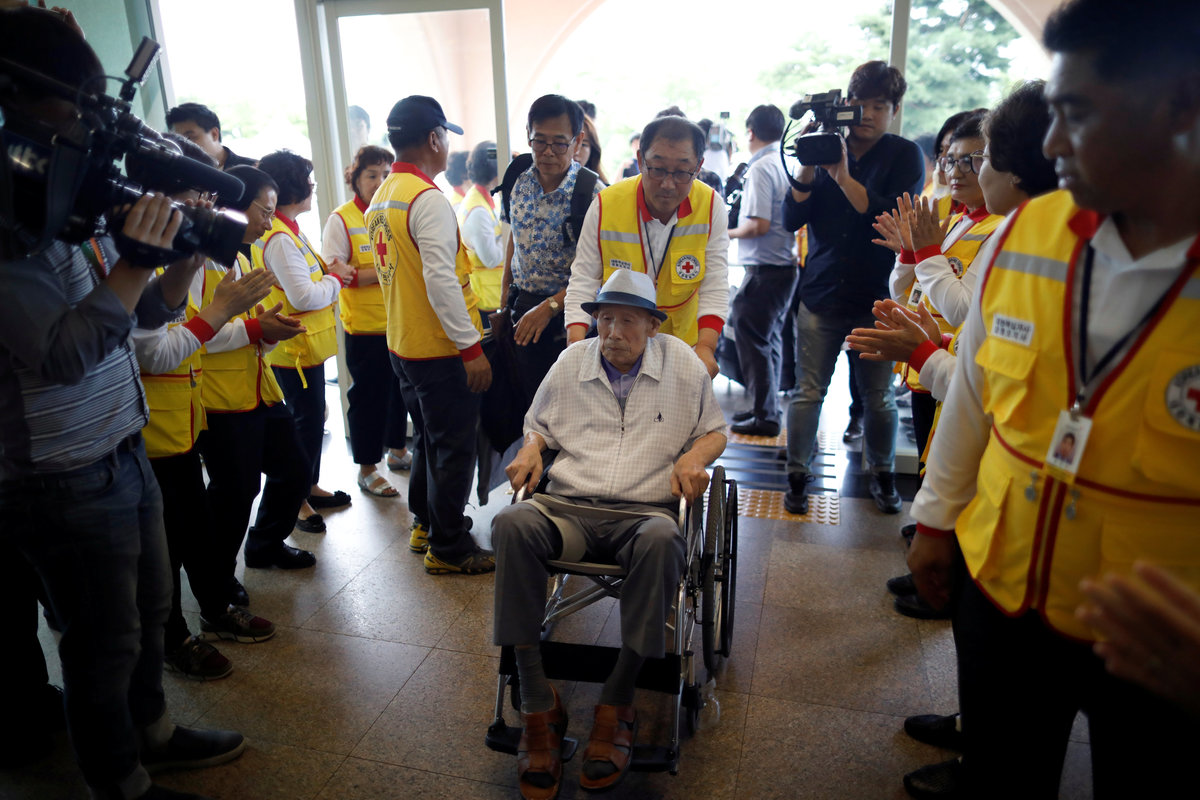
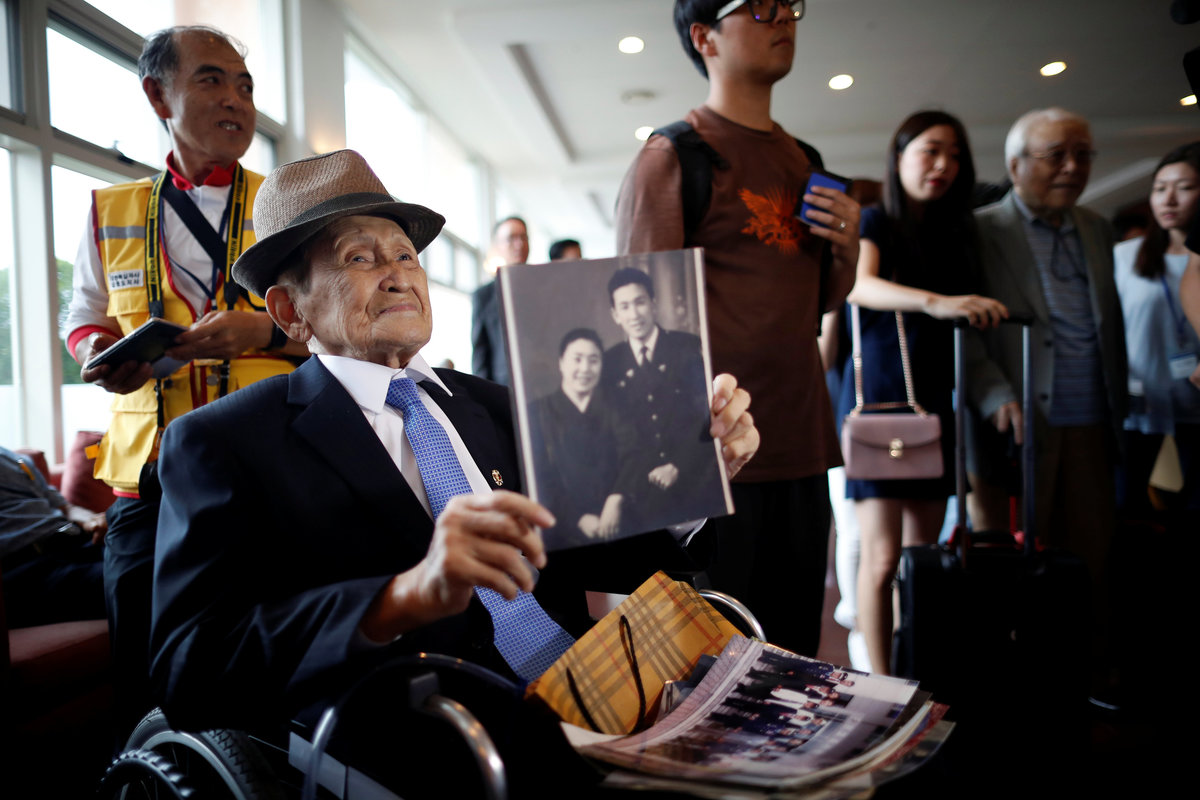
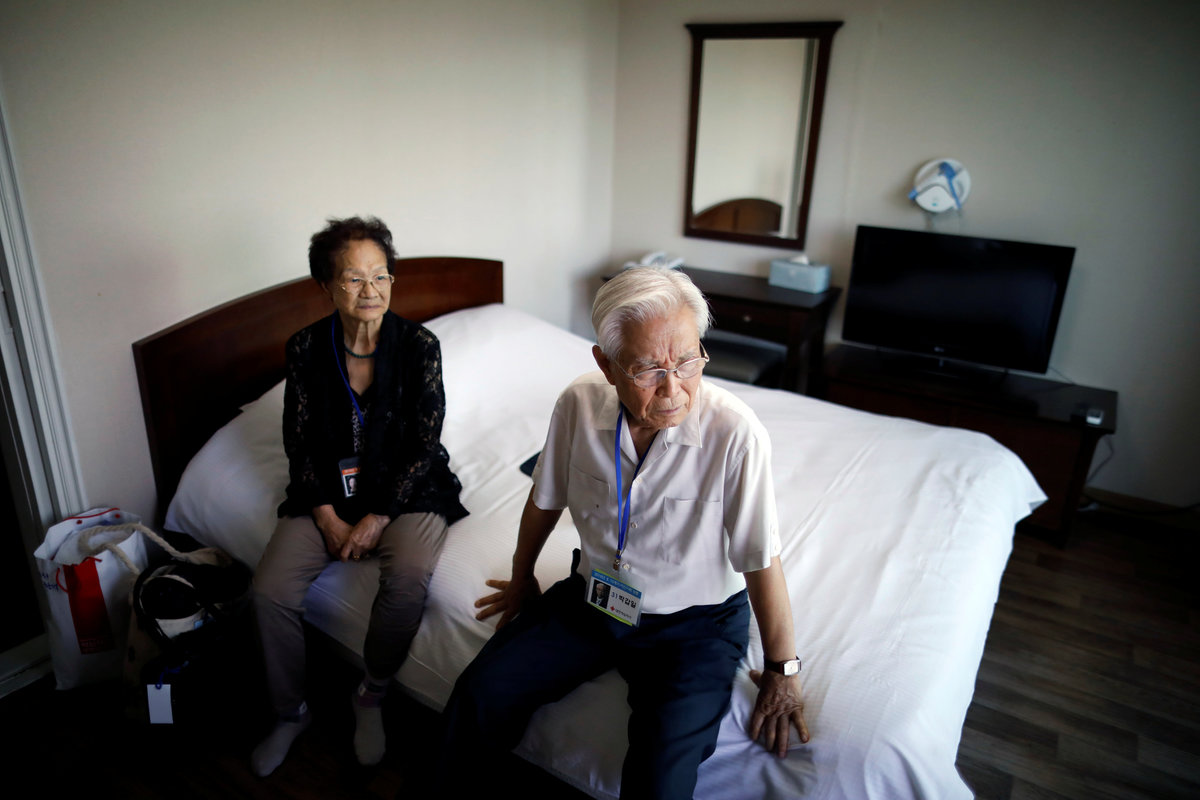
A man selected as a participant for a reunion shows pictures of his deceased mother and little brothers living in North Korea, at a hotel used as a waiting place in Sokcho, South Korea, August 19, 2018. REUTERS/Kim Hong-Ji
The separated families are victims of a decades-long political gridlock since the 1950-53 war ended in a truce rather than a peace treaty, with ties increasingly strained as Pyongyang rapidly stepped up its weapons programmes.
More than 57,000 South Korean survivors have registered for the family reunions, which usually end in painful farewells.
For years, Seoul has called for regular meetings between separated families, including the use of video conferences, but the programme often fell victim to fragile ties.
South Korean participants for a reunion arrive at the South's CIQ (Customs, Immigration and Quarantine), just south of the DMZ in Goseong, South Korea, August 20, 2018. REUTERS/Kim Hong-Ji
At his historic June summit with U.S. President Donald Trump in June, Kim pledged to abandon his country's nuclear programmes if Washington provided security guarantees, but the two sides have since struggled to agree how to reach that goal.
The reunions should be scaled up sharply, held regularly, and include exchanges of visits and letters, said Moon, himself a member of a separated family from the North's eastern port city of Hungnam.
"It is a shame for both governments that many of the families have passed away without knowing whether their lost relatives were alive," he told presidential secretaries at a meeting.
South Korean participants for a reunion arrive at the South's CIQ (Customs, Immigration and Quarantine), just south of the DMZ in Goseong, South Korea, August 20, 2018. REUTERS/Kim Hong-Ji
"Expanding and accelerating family reunions is a top priority."
Ninety-three families from both sides of the border had been initially due to hold a three-day gathering from Monday, but four South Korean members cancelled at the last minute because of poor health, the Red Cross said.
From Thursday, 88 more groups of relatives will meet, comprised of 469 individuals from the South and 128 from the North, Seoul's Unification Ministry says.
South Korean participants for a reunion arrive at the South's CIQ (Customs, Immigration and Quarantine), just south of the DMZ in Goseong, South Korea, August 20, 2018. REUTERS/Kim Hong-Ji
For Lee Jong-shik, 81, Monday's reunion was a hard-won second chance to track down his younger brother, Ri Chong Song, after the failure of a 2009 effort when a different individual showed up, to the dismay of the family from the South.
"I tried so hard, too, searching for you for seven years," Ri told his brother.
The participants included the families of a prisoner of war and five people abducted by North Korean authorities during the conflict, though the six South Koreans they had hoped to meet had died.
South Korean participants for a reunion arrive at the South's CIQ (Customs, Immigration and Quarantine), just south of the DMZ in Goseong, South Korea, August 20, 2018. REUTERS/Kim Hong-Ji
The reunions, which began in 1985, can be a traumatic experience, say survivors, who know they are unlikely to see their relatives again, since many are 80 or older and first-timers typically get priority for visits.
About 132,600 individuals were listed as separated families by the end of July. Of the 57,000 survivors, 41.2 percent are in their 80s and 21.4 percent in their 90s, government data show.
The oldest South Korean participant is 101-year-old Baek Seong-gyu, who was reunited with his daughter-in-law and granddaughter.
South Korean participants for a reunion arrive at the South's CIQ (Customs, Immigration and Quarantine), just south of the DMZ in Goseong, South Korea, August 20, 2018. REUTERS/Kim Hong-Ji
"Most participants are elderly and many suffer from hypertension, diabetes and have underlying medical conditions," said physician Han Sang-jo. "Ahead of the reunions, we are thoroughly checking their health."
Many brought gifts of clothing, medicine and food for their North Korean relatives, since anything deemed extravagant by Pyongyang was unlikely to pass muster.
Moon Hyun-sook, 91, said she put together clothes, cosmetics and medicine for her two sisters, younger than she is by 12 and 26 years.
A man who are selected as a participant for a reunion shows old pictures of his family members in North Korea at a hotel used as a waiting place in Sokcho, South Korea, August 19, 2018. REUTERS/Kim Hong-Ji NO RESALES. NO ARCHIVES.
"Whenever I saw pretty clothes, I always thought how cute they would look in them," she said.
(Reporting by Hyonhee Shin and Joyce Lee in SEOUL, Hyun Young Yi in SOKCHO, and Joint Press Corps; Editing by Soyoung Kim and Clarence Fernandez)
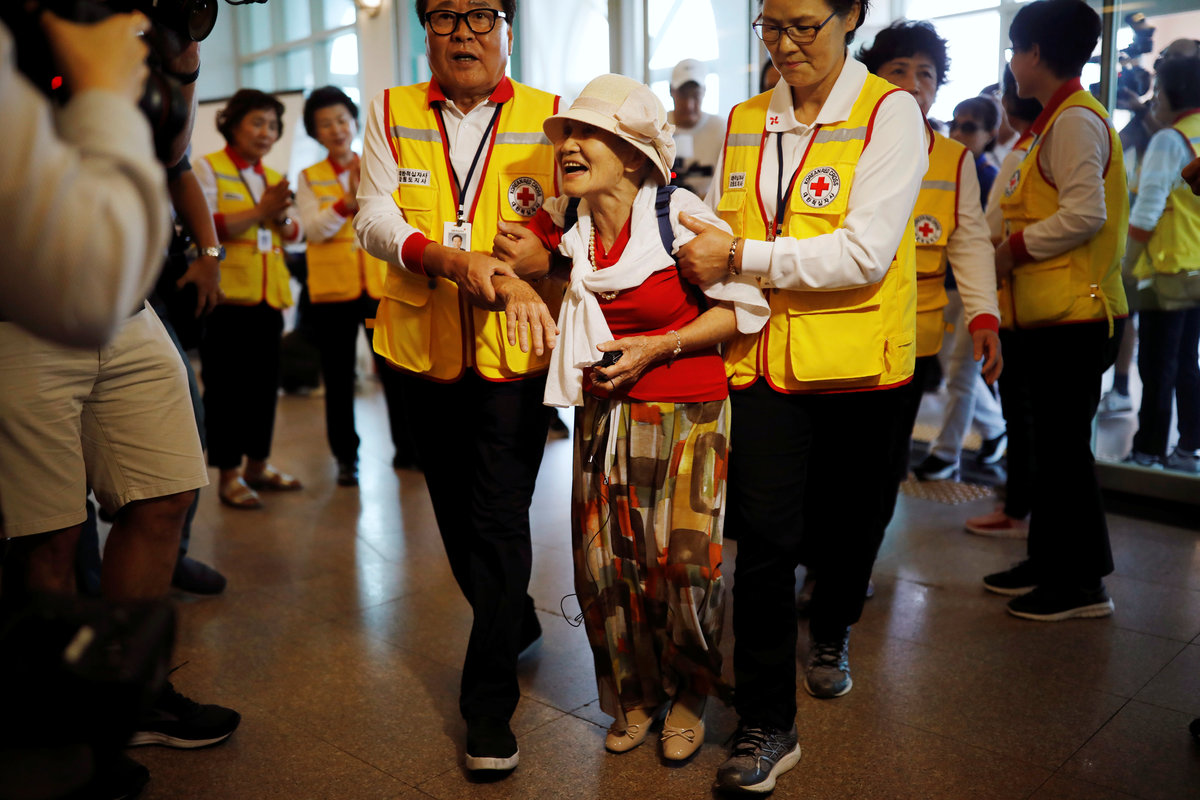
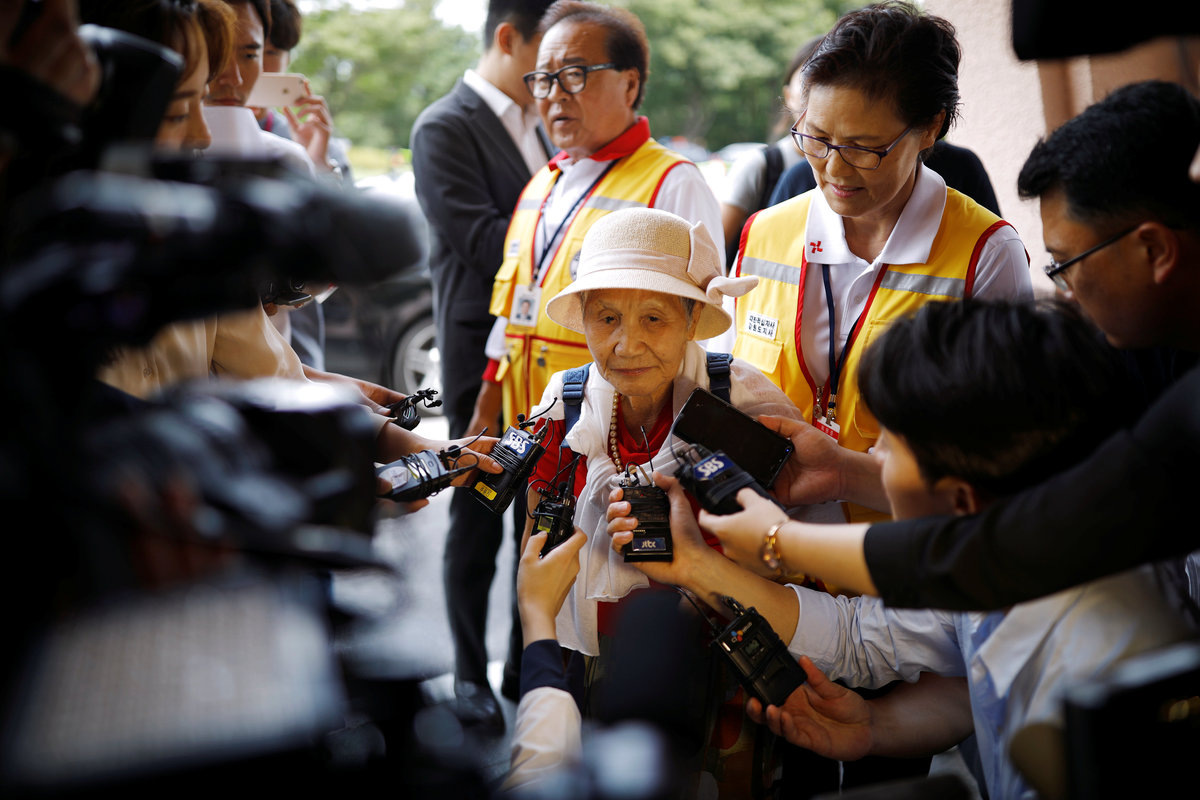
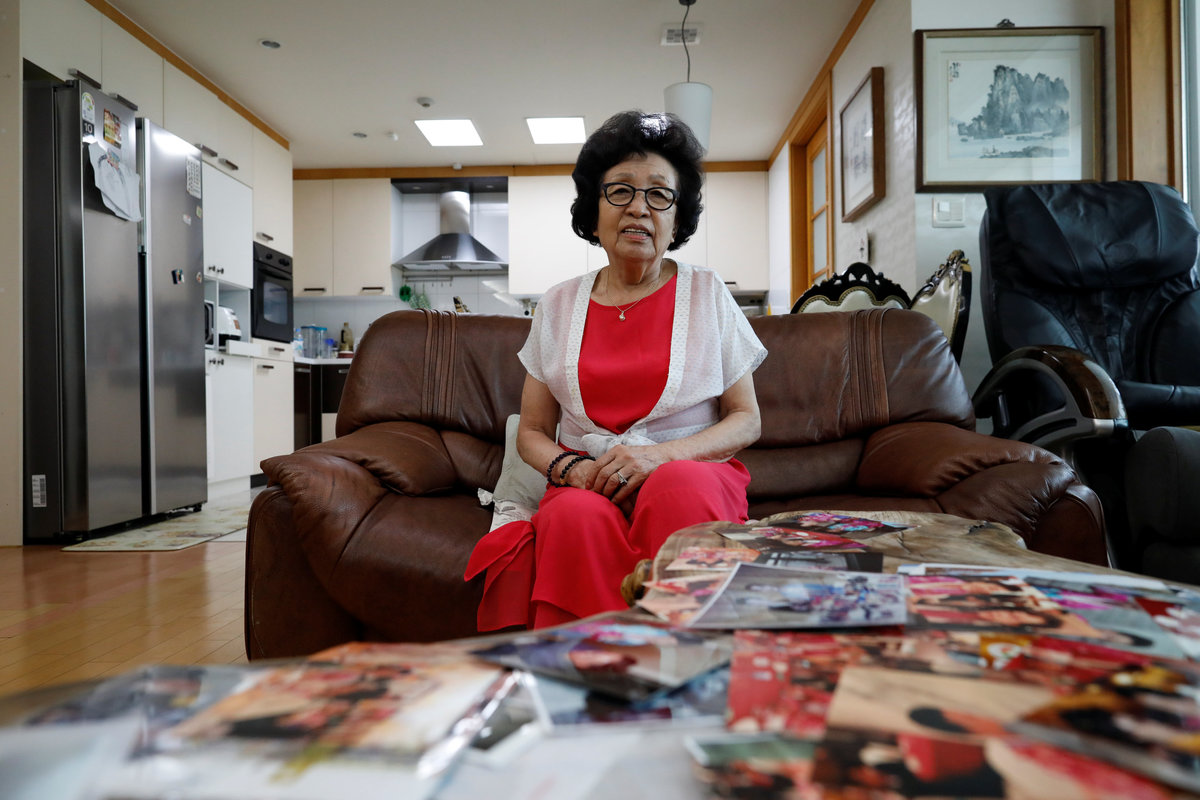
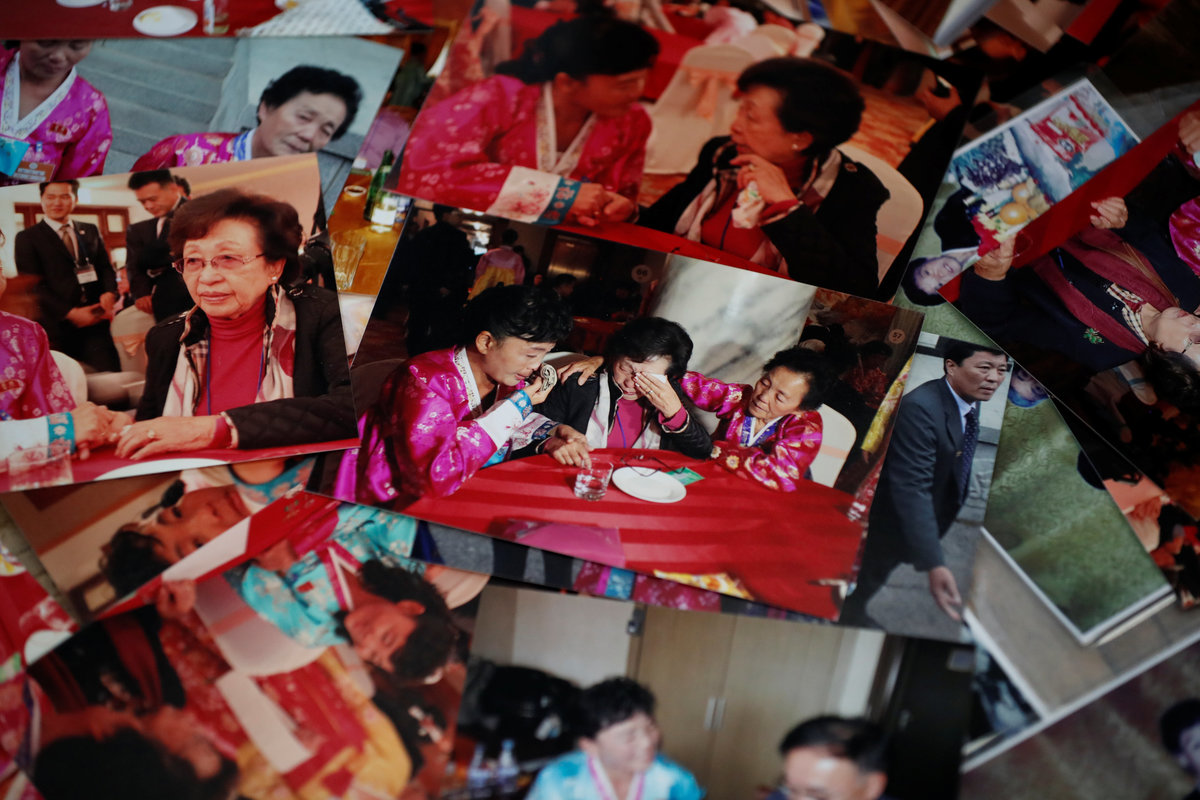
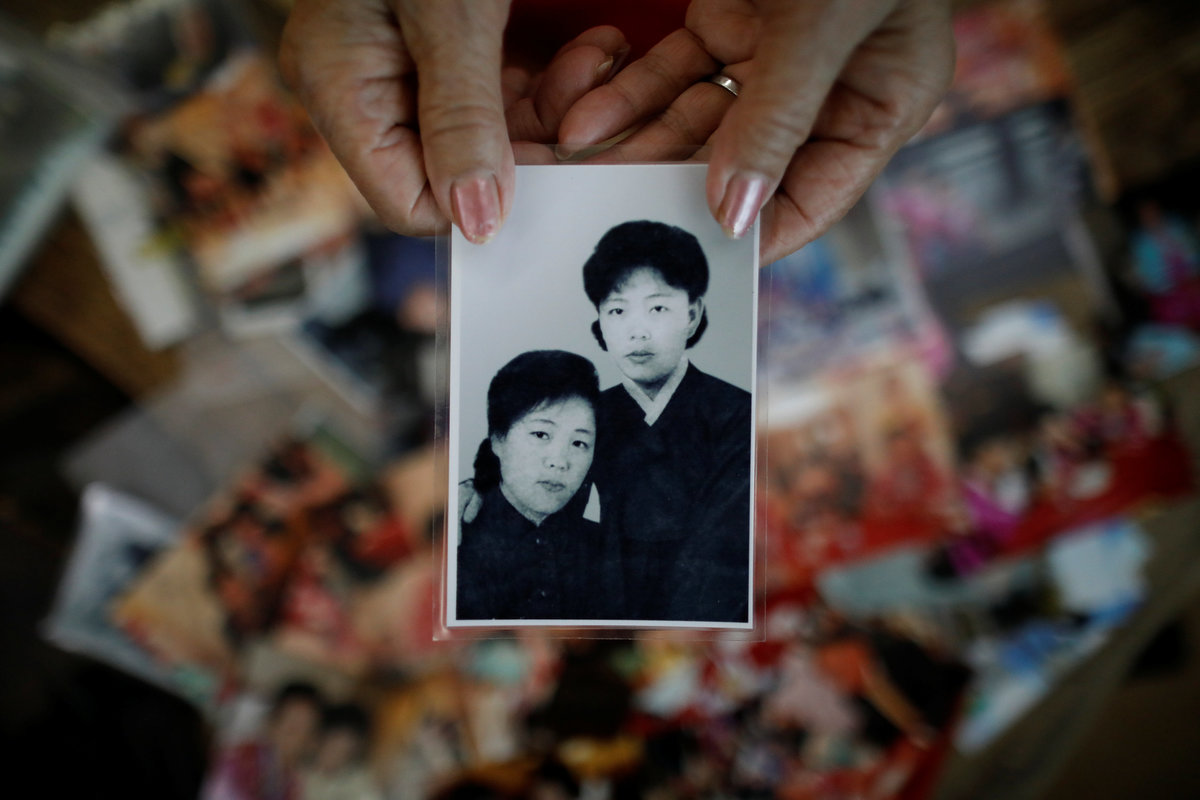
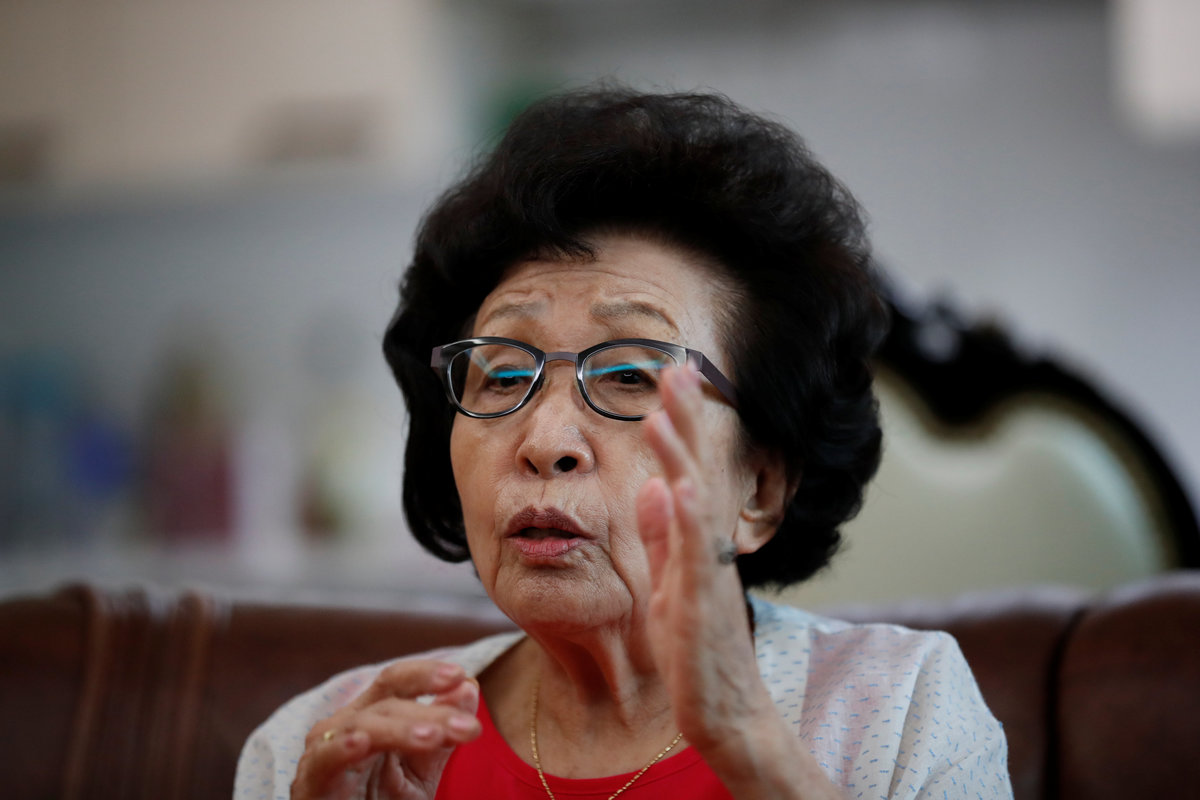
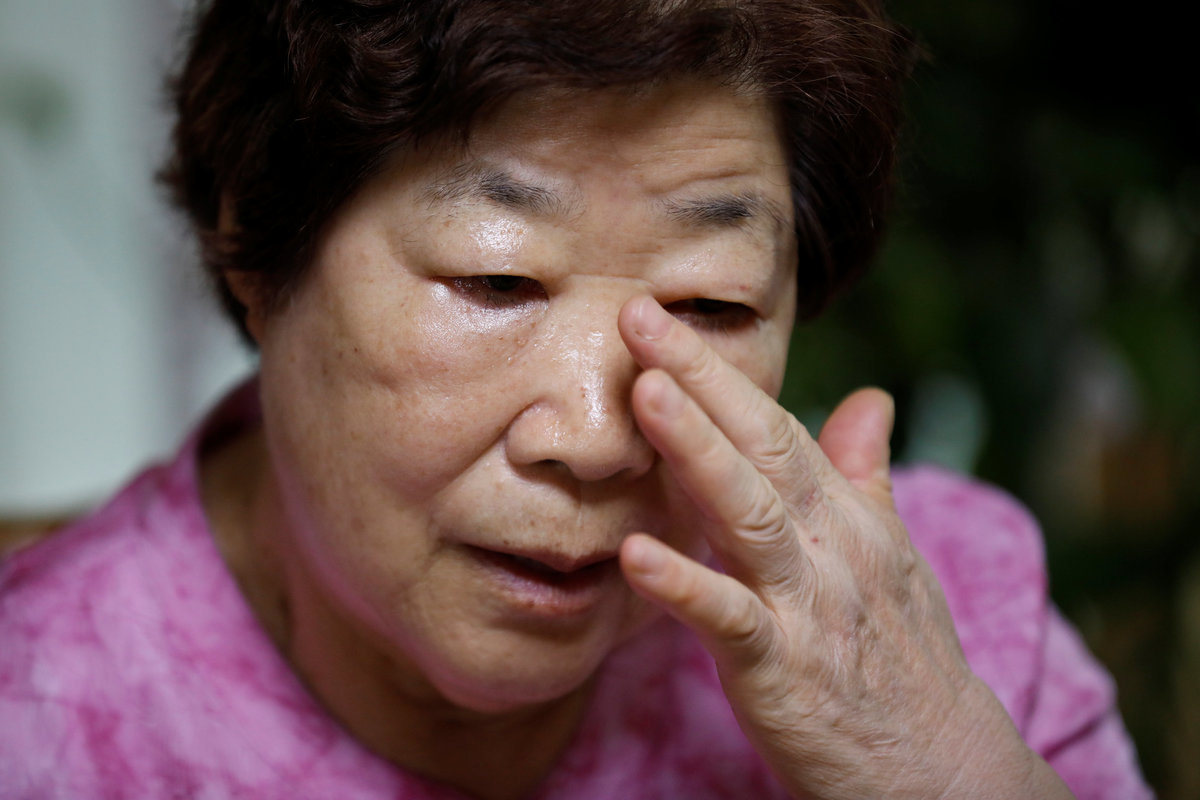
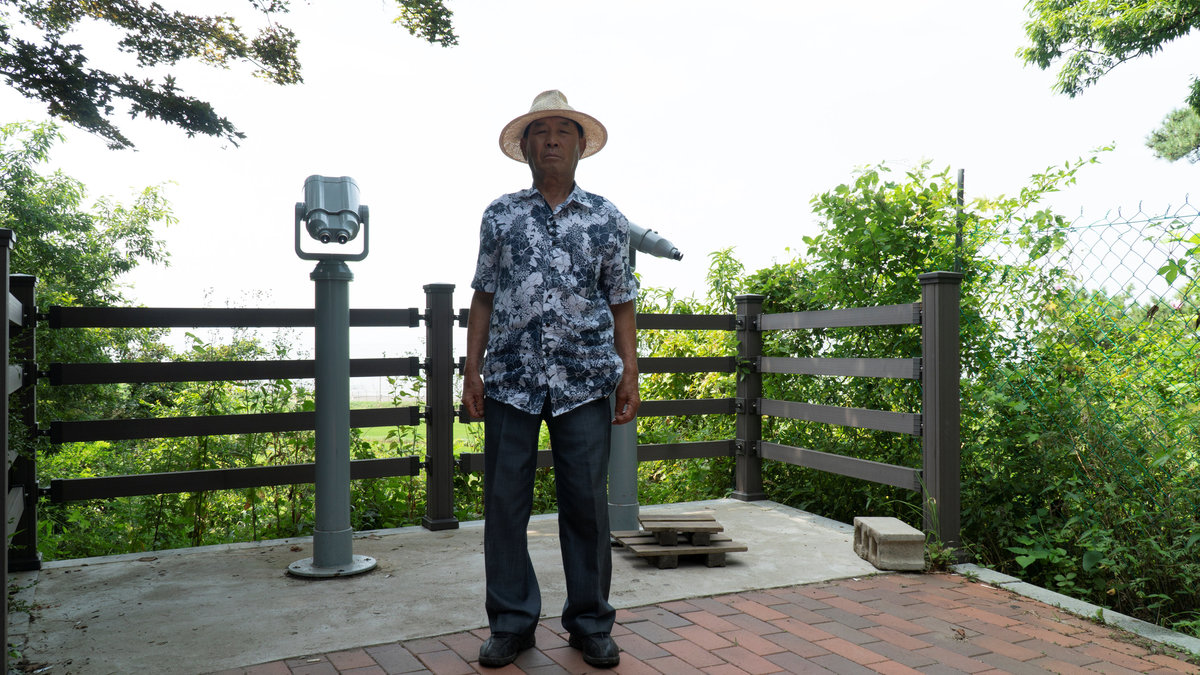
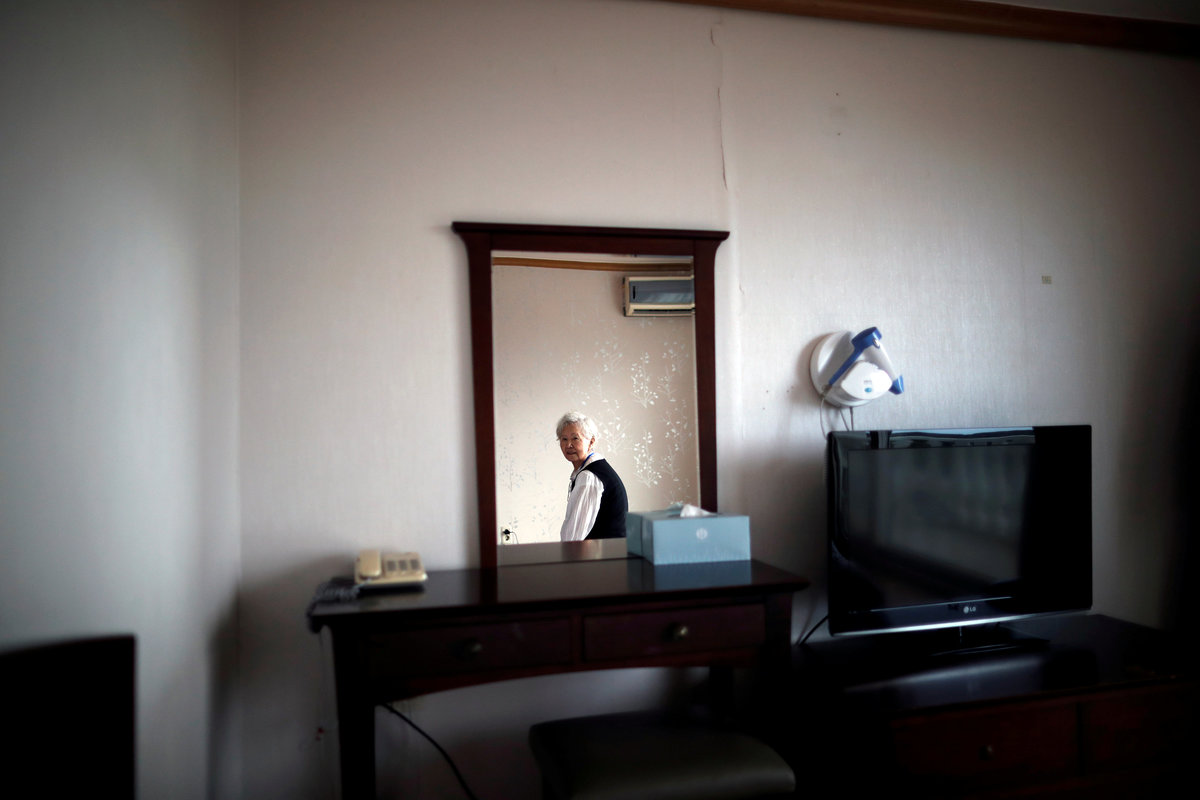
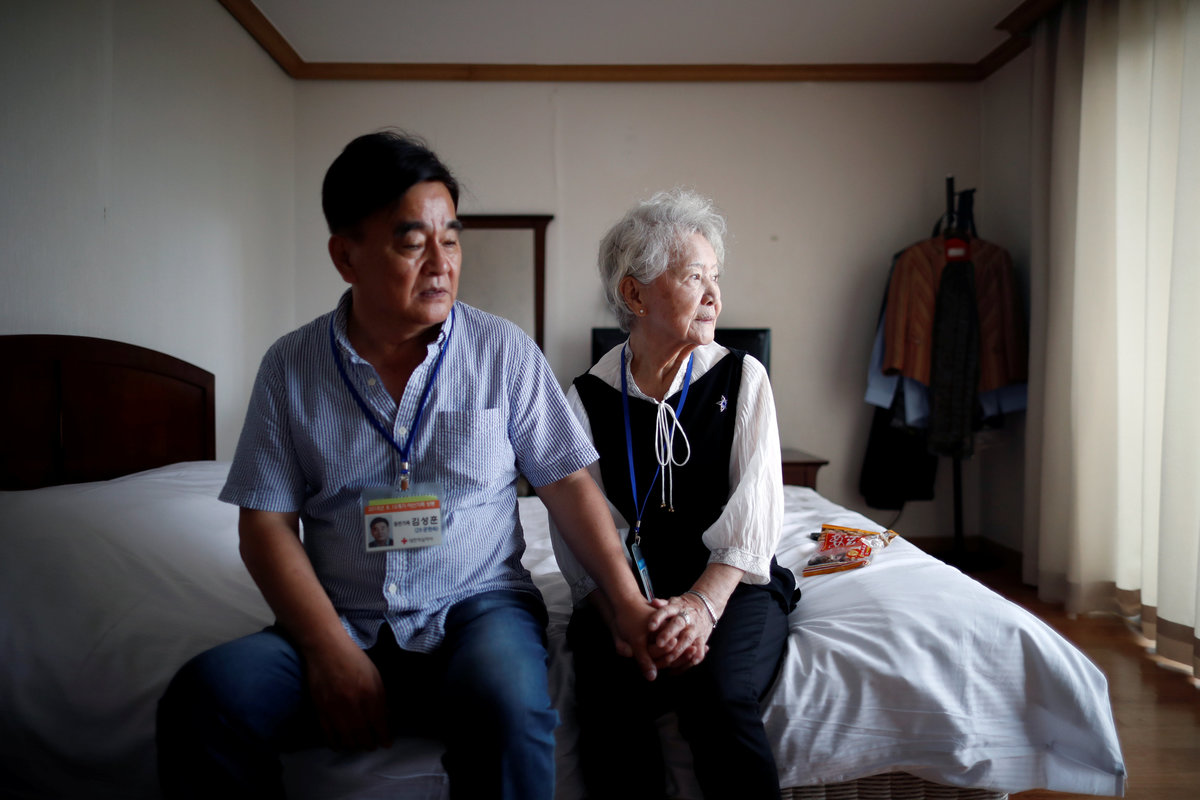
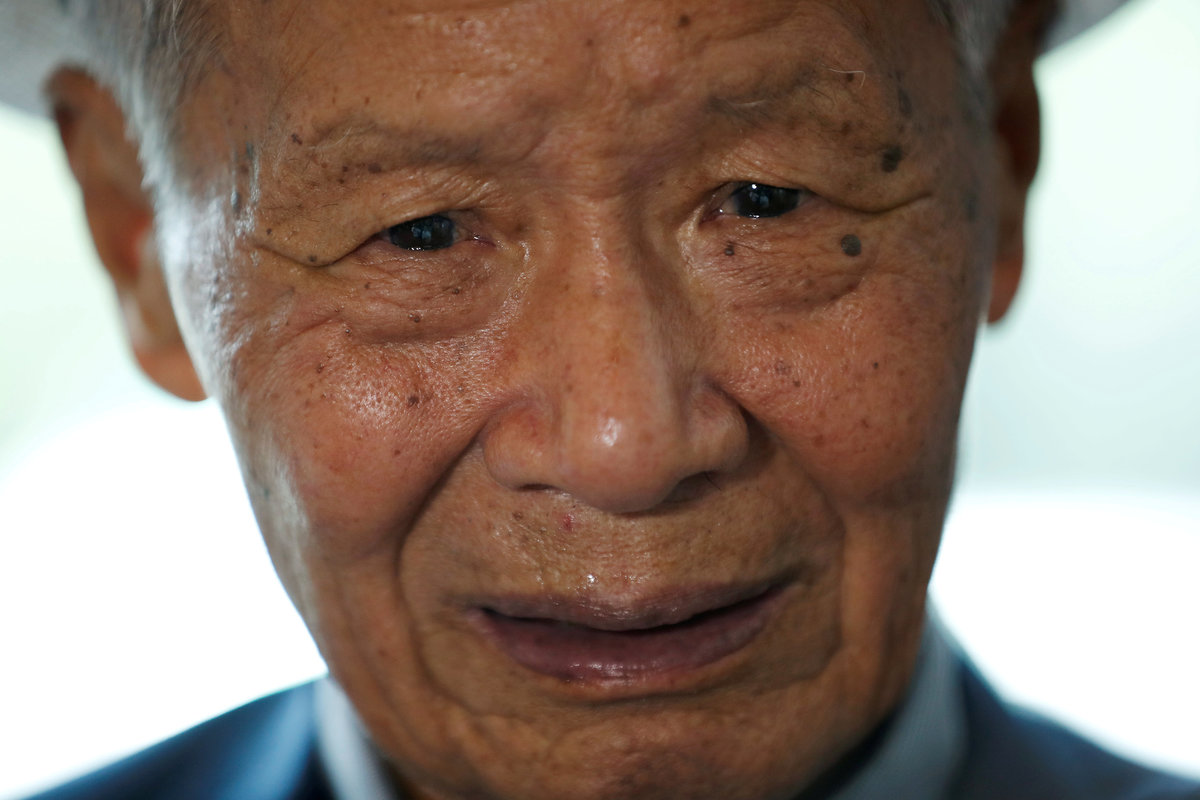
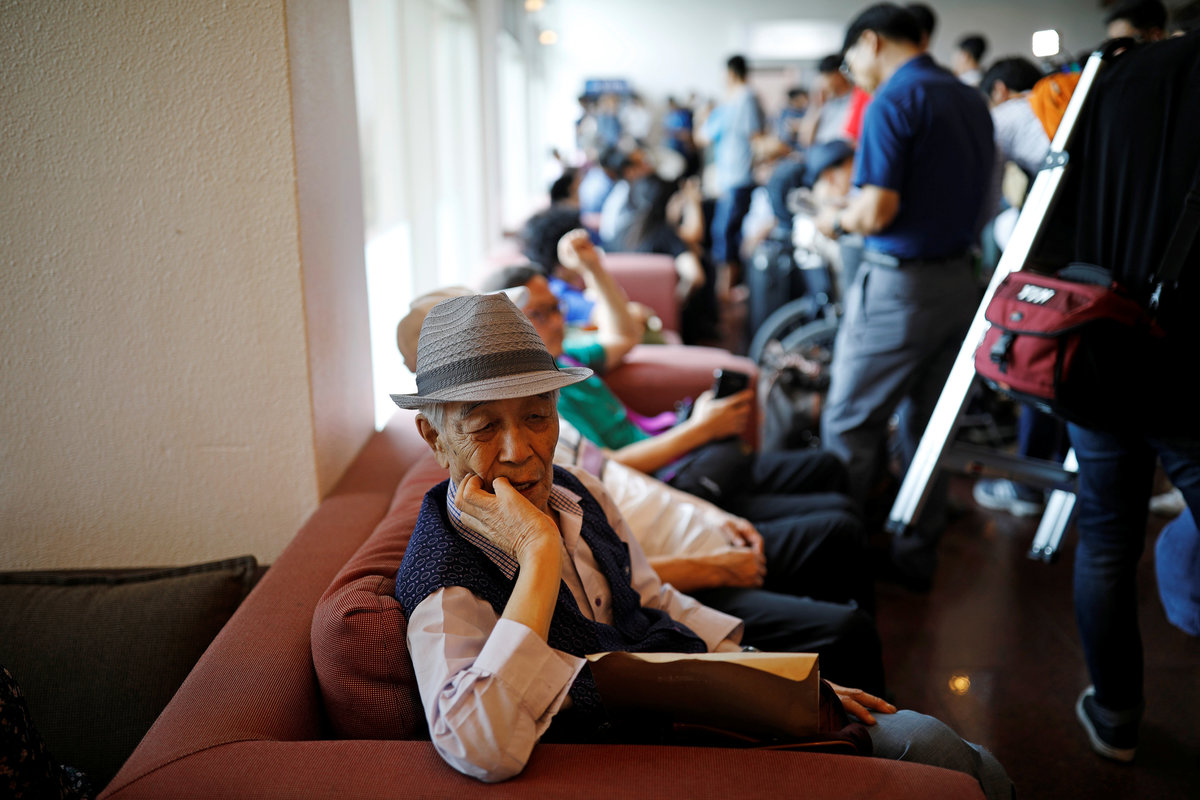
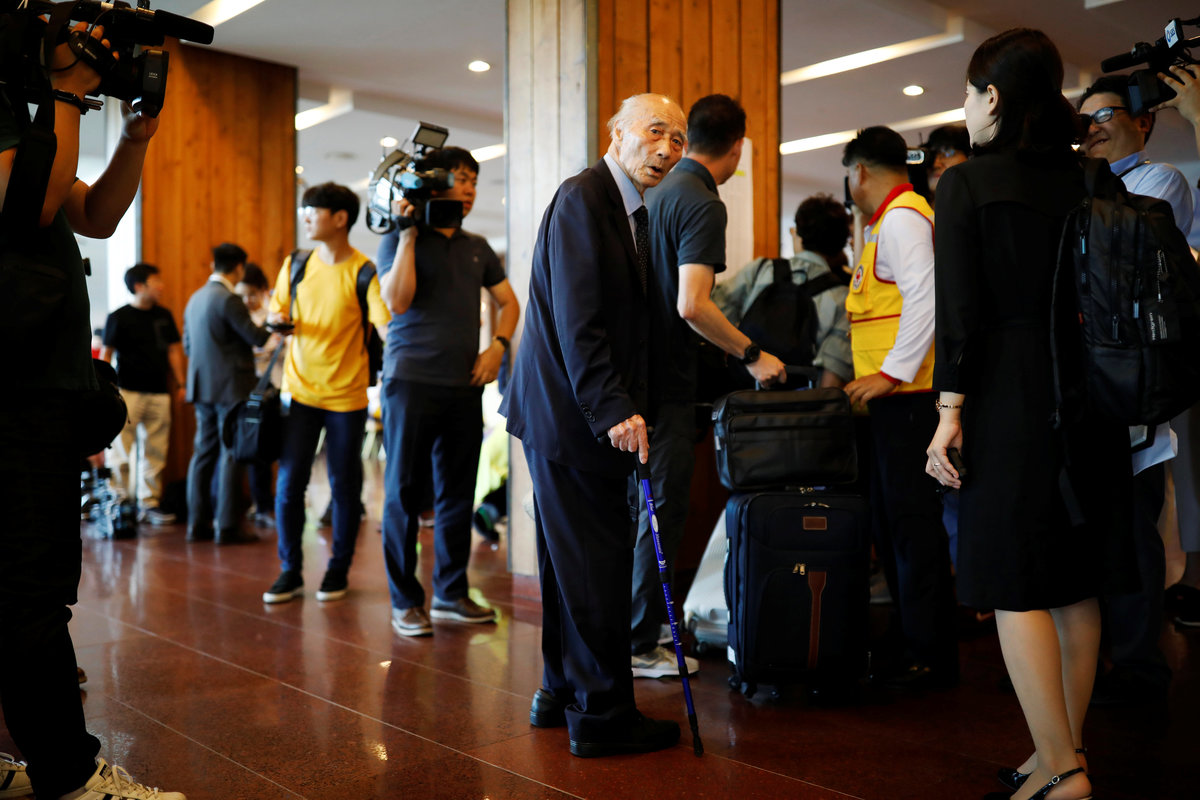
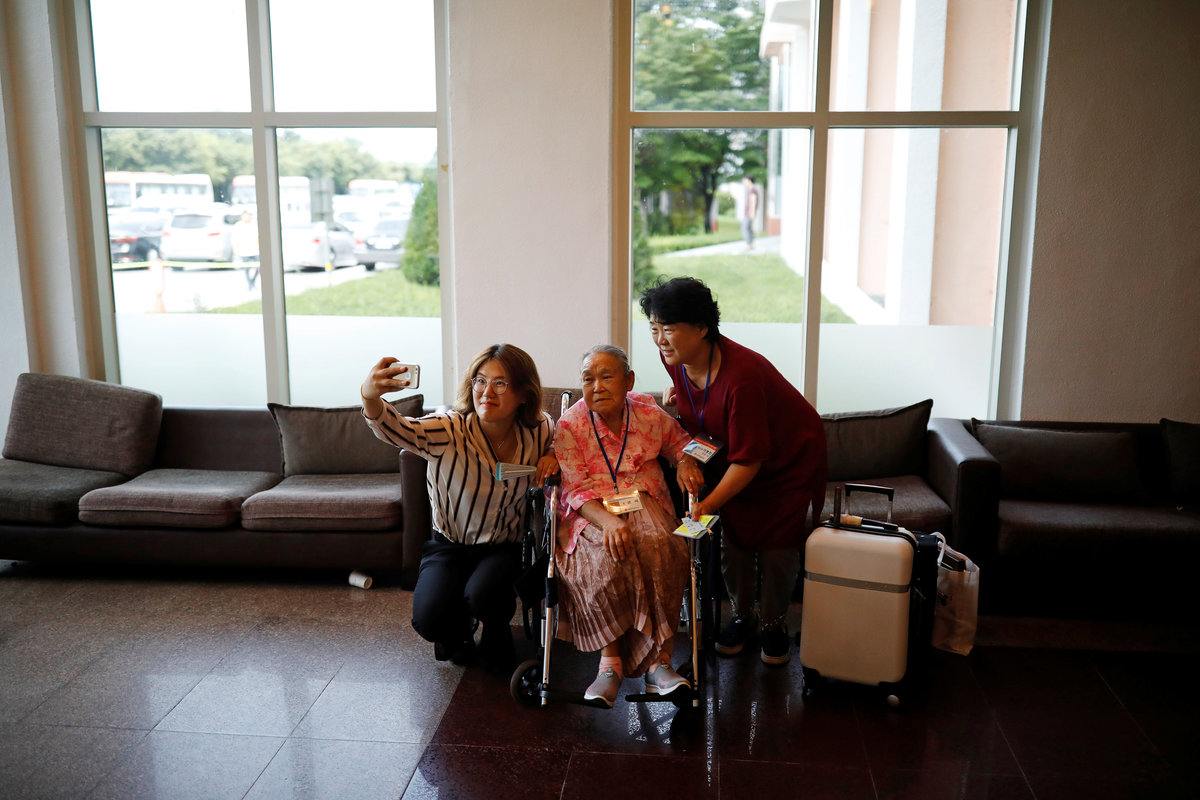
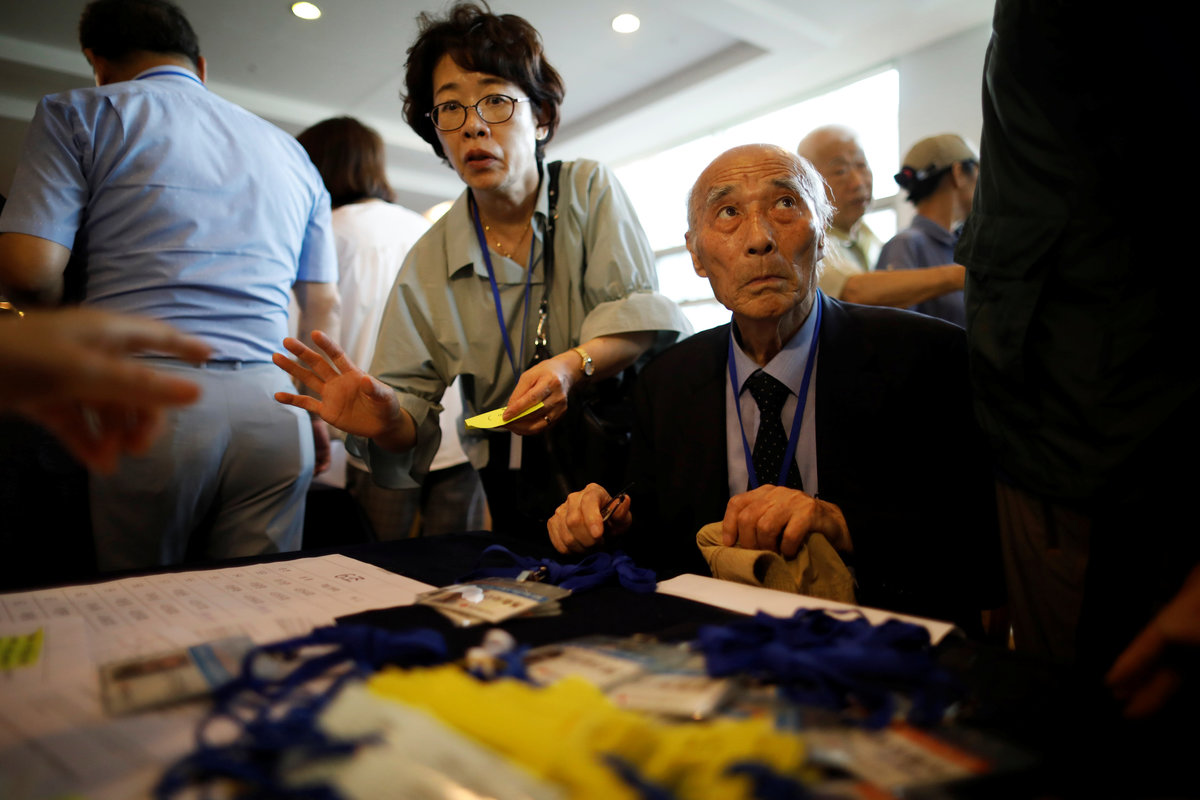
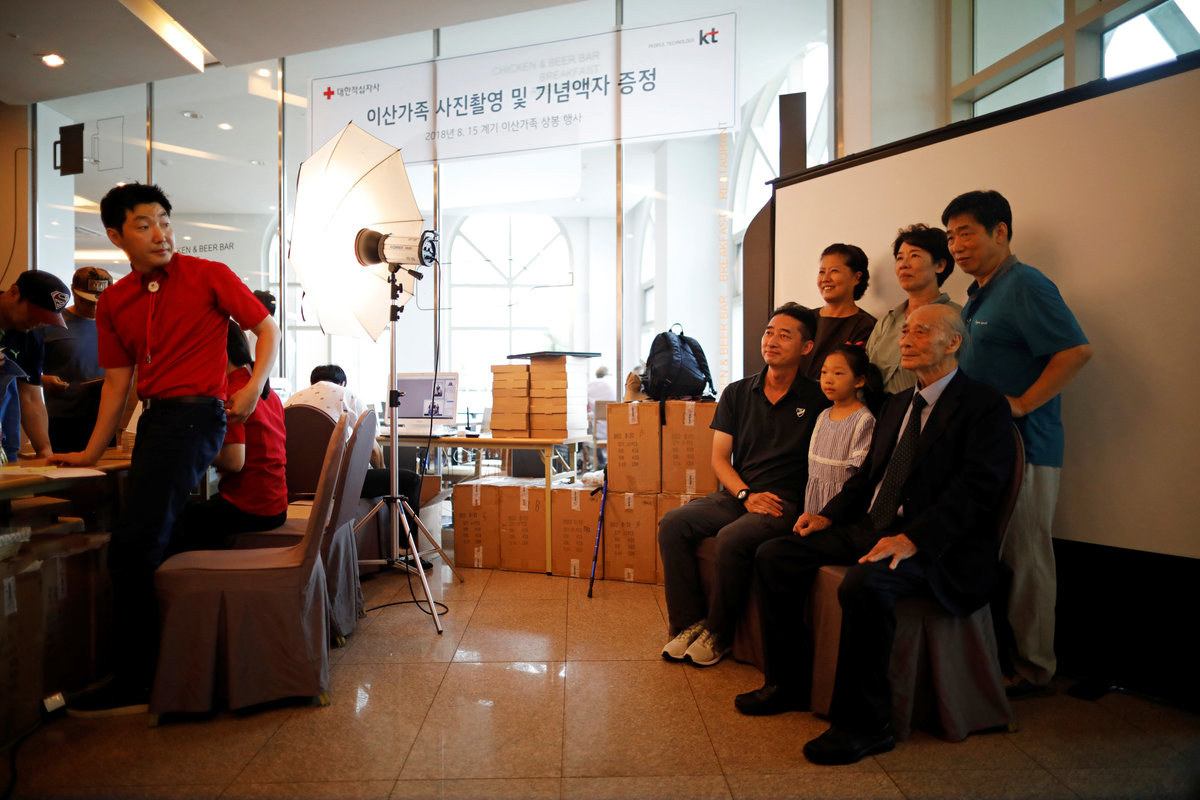
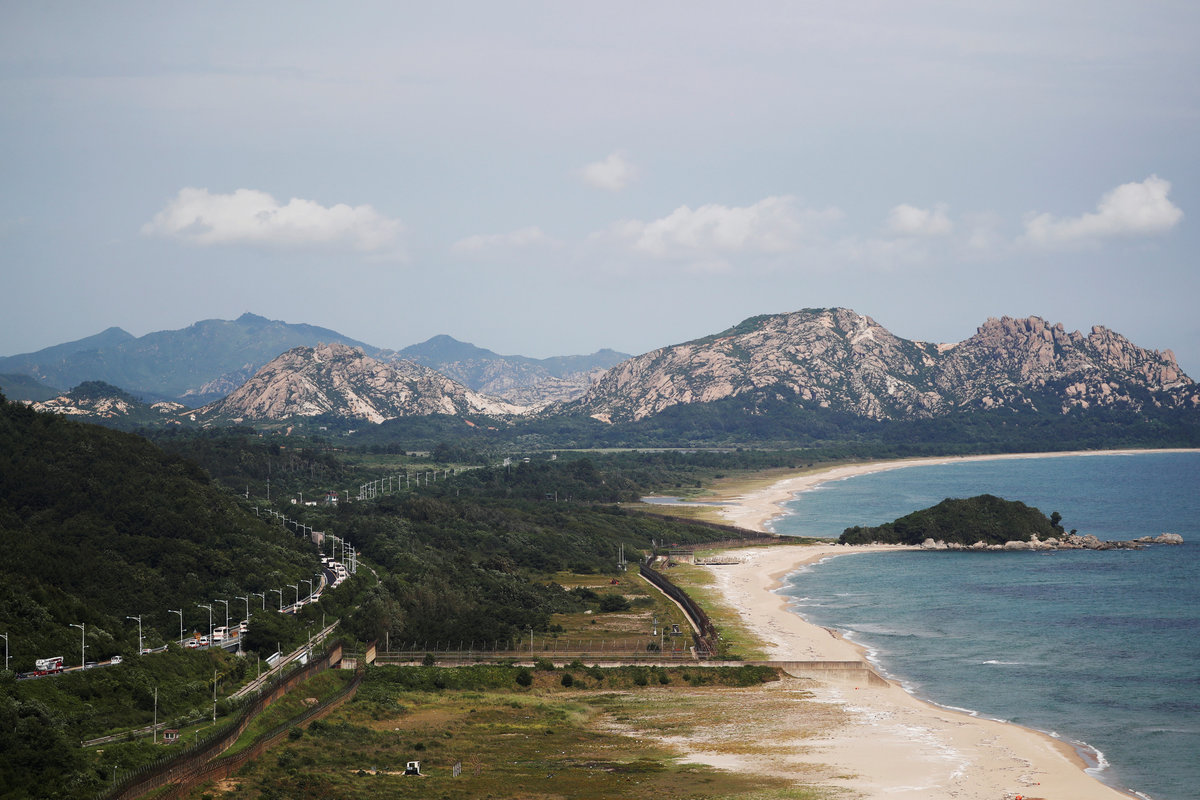
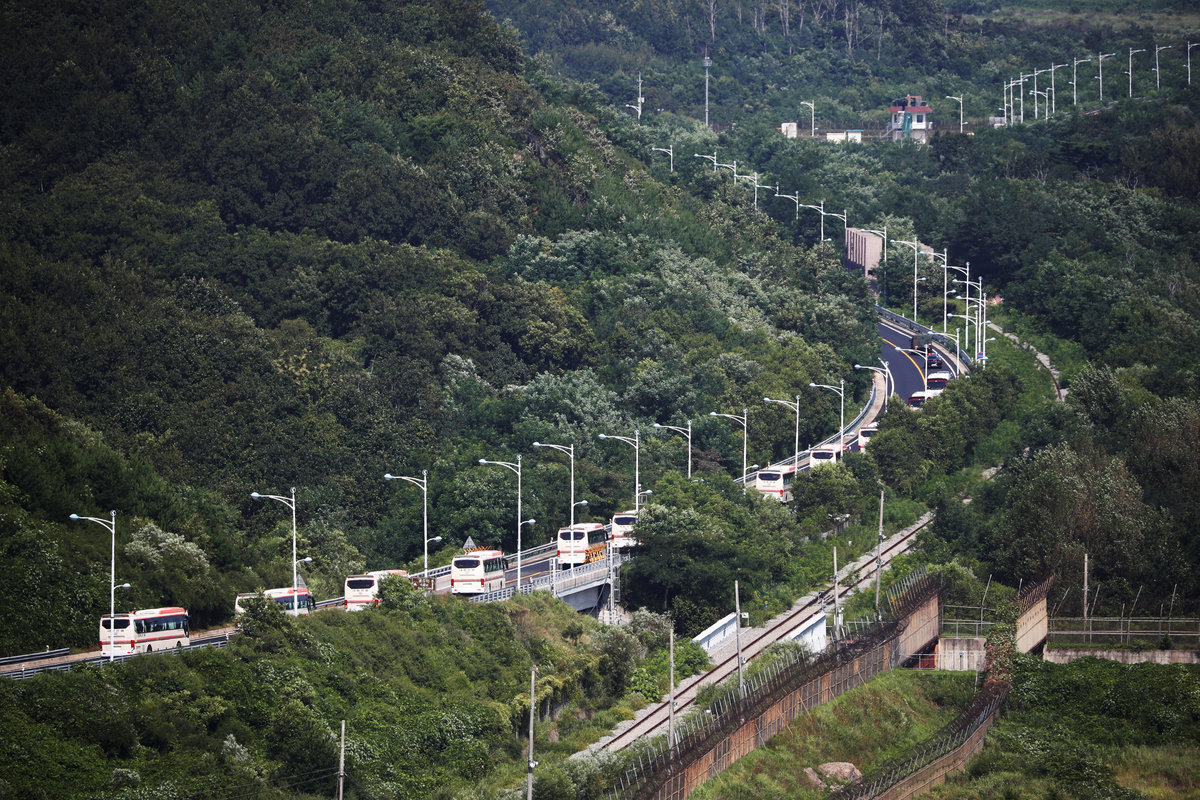
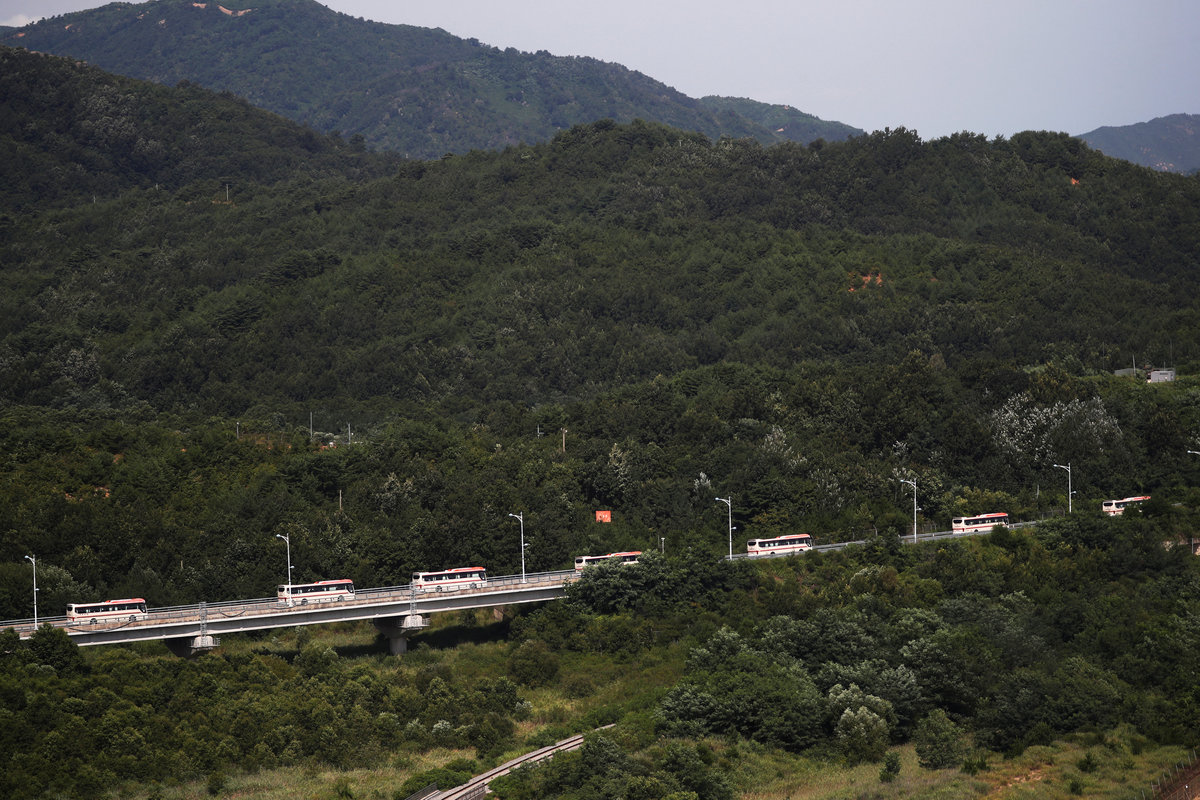
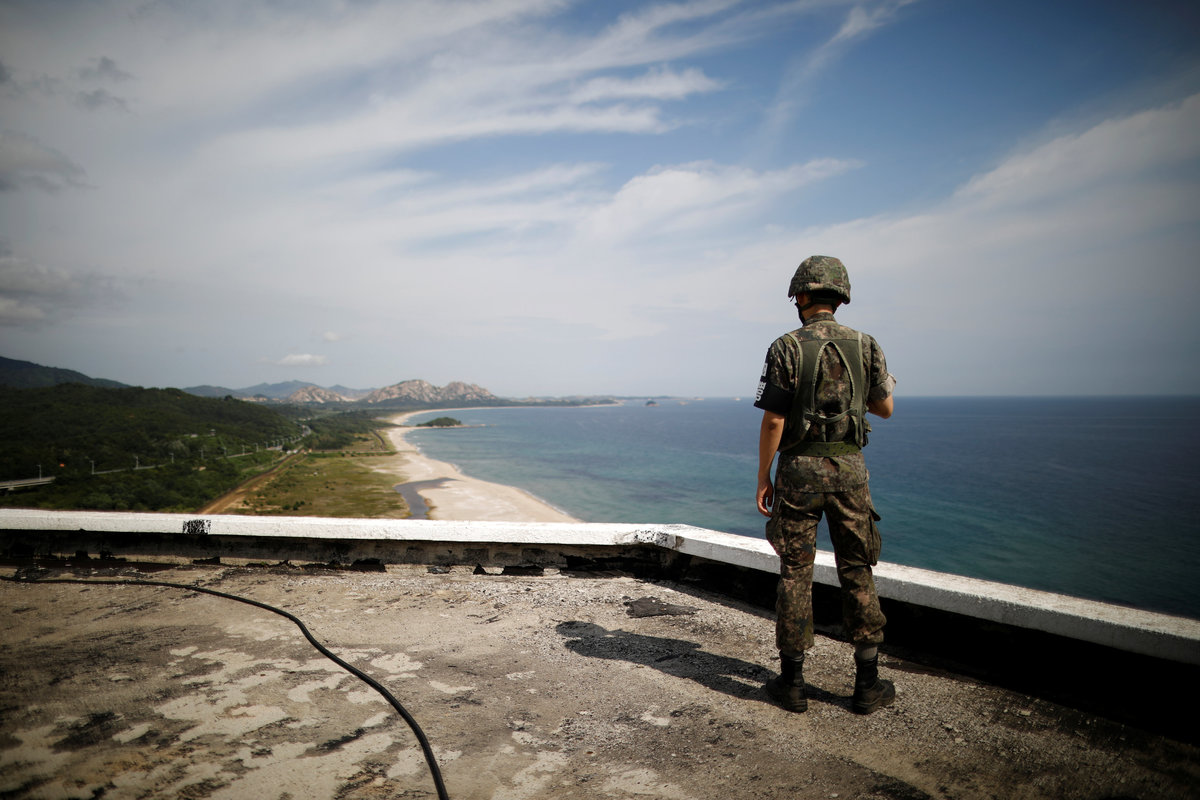
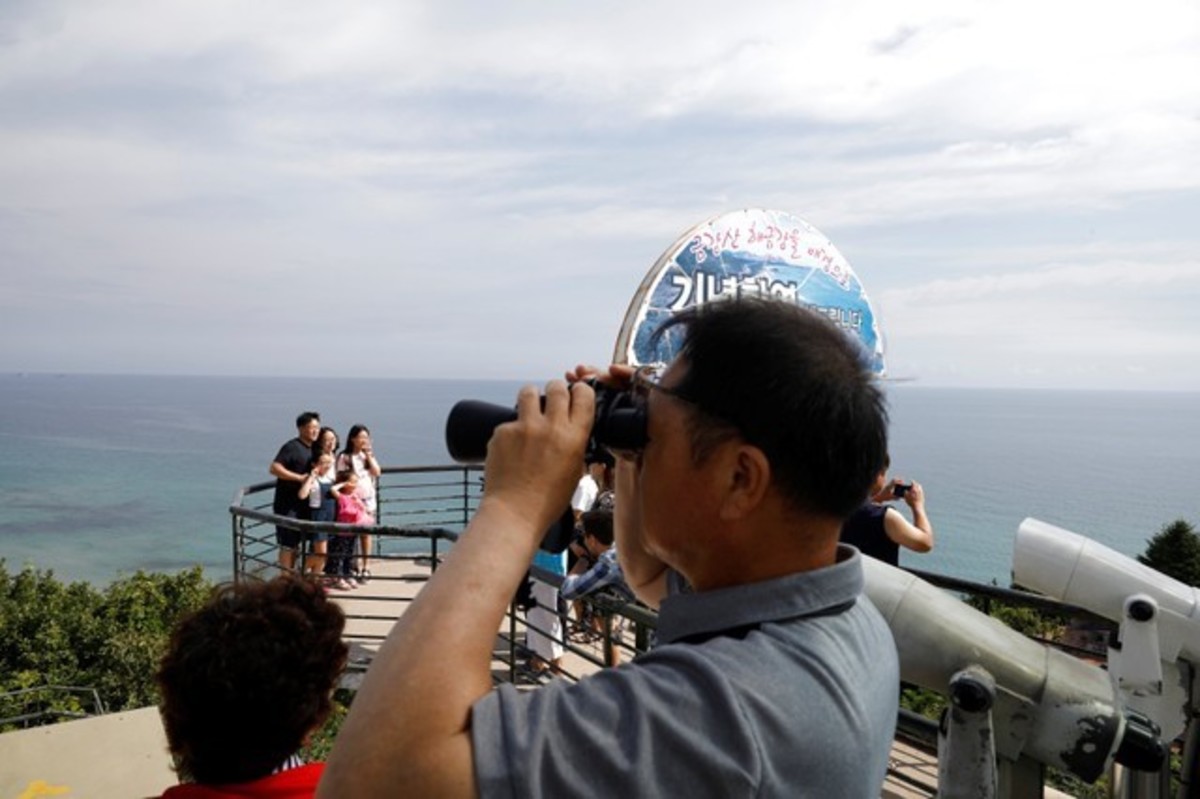
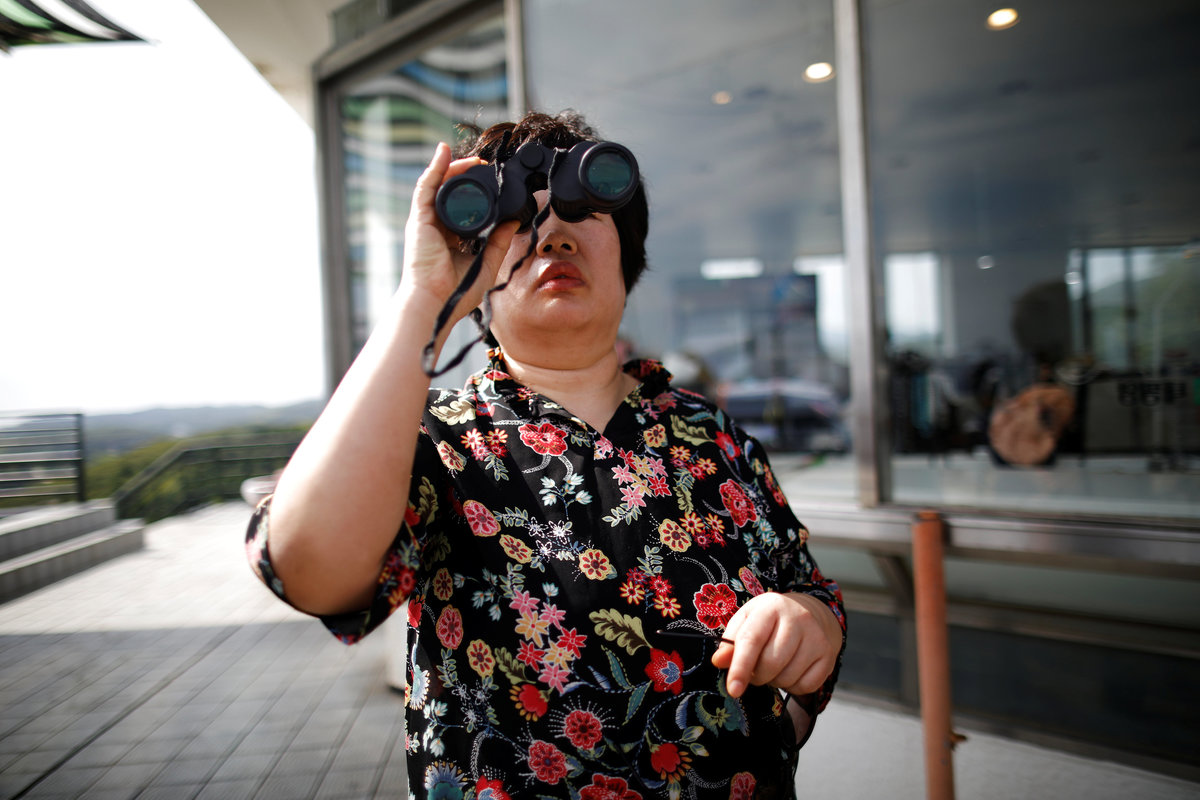
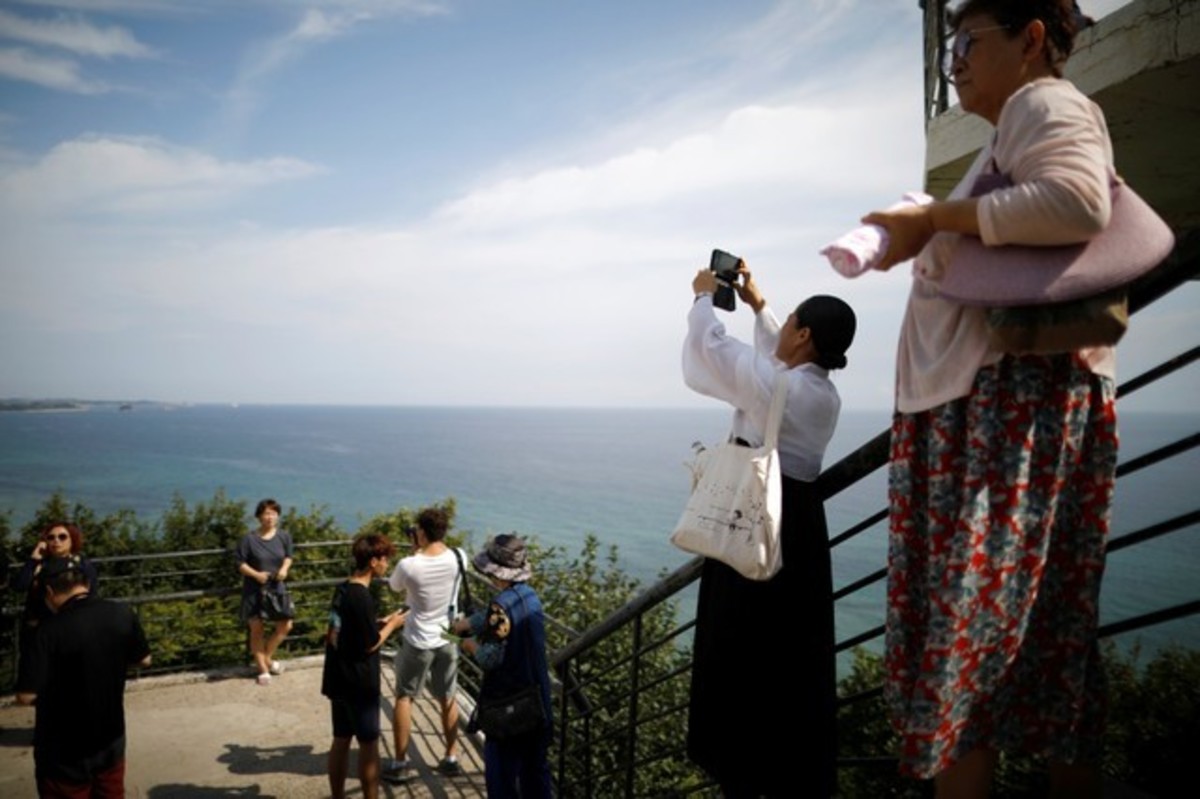
Lee Geum-seom, who has been selected as a participant for a reunion, is helped by volunteers as she arrives at a hotel used as a waiting place in Sokcho, South Korea, August 19, 2018. REUTERS/Kim Hong-JiLee Geum-seom, who has been selected as a participant for a reunion, speaks to the media as she arrives at a hotel used as a waiting place in Sokcho, South Korea, August 19, 2018. REUTERS/Kim Hong-JiKim Hyun-sook poses for photographs after an interview with Reuters at her home in Seoul, South Korea, August 2, 2018. Picture taken August 2, 2018. REUTERS/Kim Hong-JiPhotos taken while Kim Hyun-sook attended last family reunions are seen during her interview with Reuters at her home in Seoul, South Korea, August 2, 2018. Picture taken August 2, 2018. REUTERS/Kim Hong-JiKim Hyun-sook poses for photographs with an old photo showing her daughters, during an interview with Reuters at her home in Seoul, South Korea, August 2, 2018. Picture taken August 2, 2018. REUTERS/Kim Hong-JiKim Hyun-sook speaks during an interview with Reuters at her home in Seoul, South Korea, August 2, 2018. Picture taken August 2, 2018. REUTERS/Kim Hong-JiBae Soon-hui sheds a tear during an interview with Reuters at her home in Seoul, South Korea, August 9, 2018. Picture taken August 9, 2018. REUTERS/Kim Hong-JiHwang Rae-ha poses for photographs in front of a pair of binoculars in Ganghwa, South Korea, July 25, 2018. Picture taken July 25, 2018. REUTERS/Lim Sang-gyuA woman who are selected as a participant for a reunion arrives at a hotel used as a waiting place in Sokcho, South Korea, August 19, 2018. REUTERS/Kim Hong-JiKim Hyun-sook poses for photographs with an old photo showing her daughters, during an interview with Reuters at her home in Seoul, South Korea. REUTERS/Kim Hong-JiA man who has been selected as a participant for a reunion is wheeled as he arrives at a hotel used as a waiting place in Sokcho, South Korea, August 19, 2018. REUTERS/Kim Hong-JiMoon Hyun-sook who has been selected as a participant for a reunion rests at a hotel used as a waiting place in Sokcho, South Korea, August 19, 2018. REUTERS/Kim Hong-Ji Moon Hyun-sook (R) who has been selected as a participant for a reunion rests at a hotel used as a waiting place in Sokcho, South Korea, August 19, 2018. REUTERS/Kim Hong-JiA man who has been selected as a participant for a reunion holds an old picture at a hotel used as a waiting place in Sokcho, South Korea, August 19, 2018. REUTERS/Kim Hong-JiPark Kab-il and Baek Seong-yeon who have been selected as participants for a reunion rest at a hotel used as a waiting place in Sokcho, South Korea, August 19, 2018. REUTERS/Kim Hong-JiA man who has been selected as a participant for a reunion reacts as he arrives at a hotel used as a waiting place in Sokcho, South Korea, August 19, 2018. REUTERS/Kim Hong-Ji A man who has been selected as a participant for a reunion rests at a hotel used as a waiting place in Sokcho, South Korea, August 19, 2018. REUTERS/Kim Hong-JiA man who has been selected as a participant for a reunion arrives at a hotel used as a waiting place in Sokcho, South Korea, August 19, 2018. REUTERS/Kim Hong-JiA woman who has been selected as a participant for a reunion takes a selfie with her family members at a hotel used as a waiting place in Sokcho, South Korea, August 19, 2018. REUTERS/Kim Hong-JiA man who has been selected as a participant for a reunion arrives at a hotel used as a waiting place in Sokcho, South Korea, August 19, 2018. REUTERS/Kim Hong-JiA man who has been selected as a participant for a reunion reacts as he arrives at a hotel used as a waiting place in Sokcho, South Korea, August 19, 2018. REUTERS/Kim Hong-JiA man who has been selected as a participant for a reunion poses for a group photo with his family members at a hotel used as a waiting place in Sokcho, South Korea, August 19, 2018. REUTERS/Kim Hong-JiA woman selected as a participant for a reunion rests at a hotel used as a waiting place in Sokcho, South Korea, August 19, 2018. REUTERS/Kim Hong-JiSouth Korean participants for a reunion arrive at the South's CIQ (Customs, Immigration and Quarantine), just south of the DMZ in Goseong, South Korea, August 20, 2018. REUTERS/Kim Hong-JiBuses transporting South Korean participants for a reunion travel on the road leading to North Korea's Mount Kumgang resort, in the demilitarized zone (DMZ) separating the two Koreas, in this picture taken from the Unification Observatory, just south of the DMZ in Goseong, South Korea, August 20, 2018. REUTERS/Kim Hong-JiBuses transporting South Korean participants for a reunion travel on the road leading to North Korea's Mount Kumgang resort, in the demilitarized zone (DMZ) separating the two Koreas, in this picture taken from the Unification Observatory, just south of the DMZ in Goseong, South Korea, August 20, 2018. REUTERS/Kim Hong-JiBuses transporting South Korean participants for a reunion travel on the road leading to North Korea's Mount Kumgang resort, in the demilitarized zone (DMZ) separating the two Koreas, in this picture taken from the Unification Observatory, just south of the DMZ in Goseong, South Korea, August 20, 2018. REUTERS/Kim Hong-JiA South Korean soldier stands guard at the Unification Observatory, just south of the demilitarized zone separating the two Koreas in Goseong, South Korea, August 20, 2018. REUTERS/Kim Hong-JiA man looks toward the north through field glasses as a family poses for a photograph, at the Unification Observatory just south of the demilitarized zone separating the two Koreas in Goseong, South Korea, August 20, 2018. REUTERS/Kim Hong-JiA woman looks toward the north through a field glasses from the Unification Observatory, just south of the demilitarized zone separating the two Koreas in Goseong, South Korea, August 20, 2018. REUTERS/Kim Hong-JiA woman in traditional costume Hanbok takes photographs of North Korean territory from the Unification Observatory, just south of the demilitarized zone separating the two Koreas in Goseong, South Korea, August 20, 2018. REUTERS/Kim Hong-Ji
Sign up to read this article
Read news from 100's of titles, curated specifically for you.