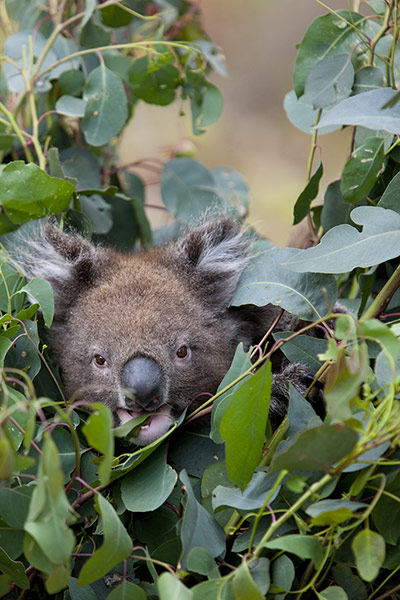
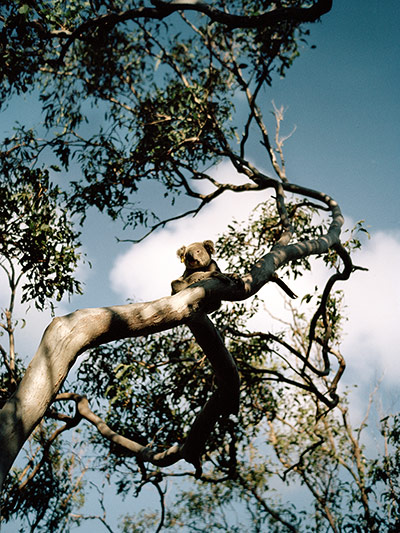
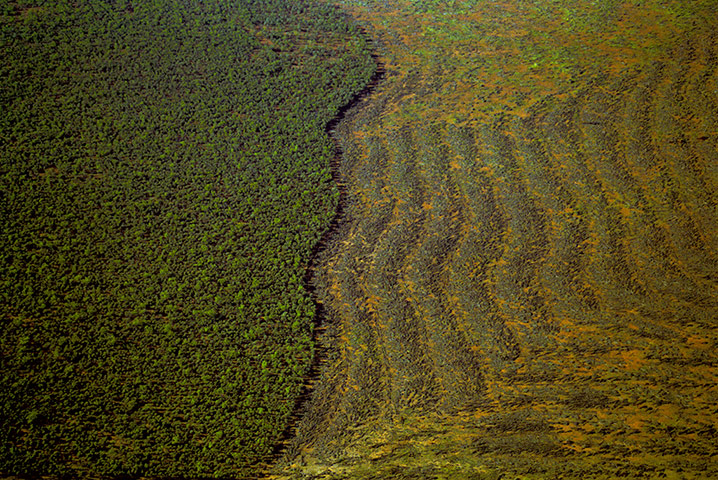
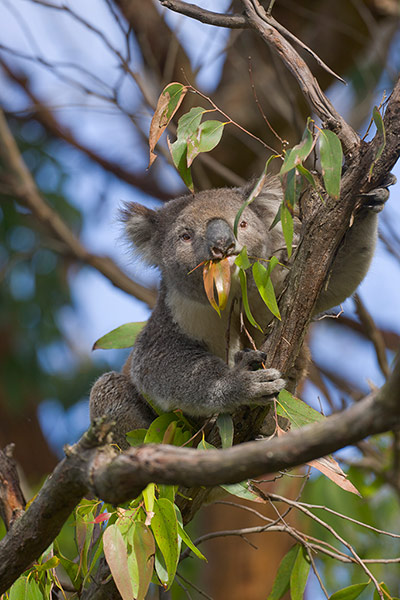
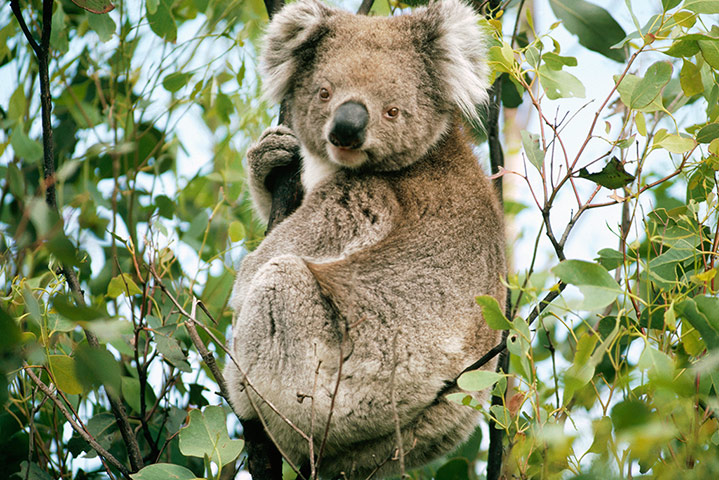
A koala (Phascolarctos cinereus) in a eucalyptus tree. Koala populations in Queensland, New South Wales and the Australian Capital Territory have been placed on the national list of vulnerable species, following intervention by Australia's environment minister, Tony BurkePhotograph: Thorsten Milse/CorbisThe decision by Burke follows a Senate report released last year that made 19 recommendations, including listing the species as threatened in certain areas of the country and boosting the funding for koala monitoring. The report outlined numerous threats to the koala, including climate change, disease and habitat lossPhotograph: Matthieu Paley/CorbisDeforestation in Queensland. Koala populations have been under pressure for some time, with many hunted to near extinction in eastern Australia by early European settlers for the fur trade. The species also suffers from a limited diet of eucalypts, which has been aggressively cleared for urban developmentPhotograph: Alamy
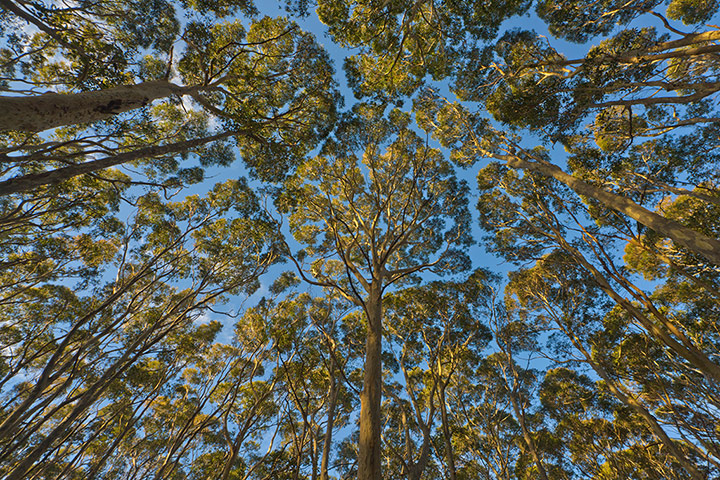
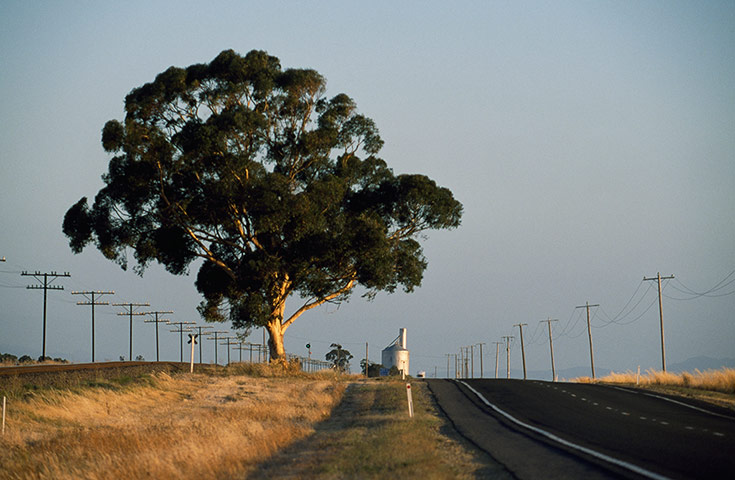
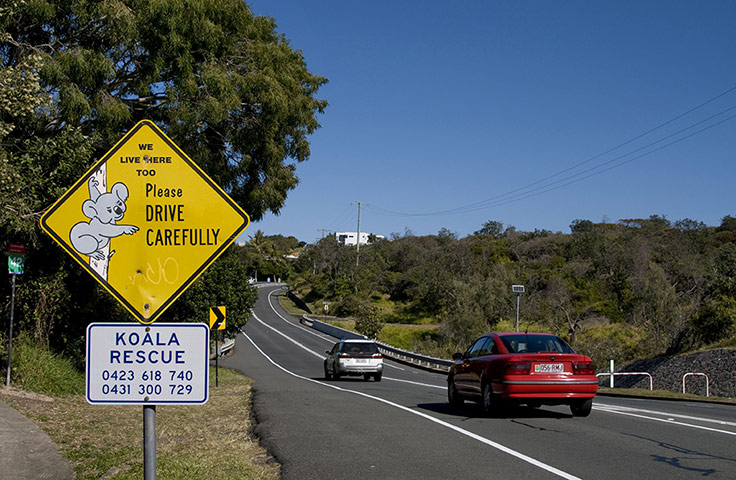
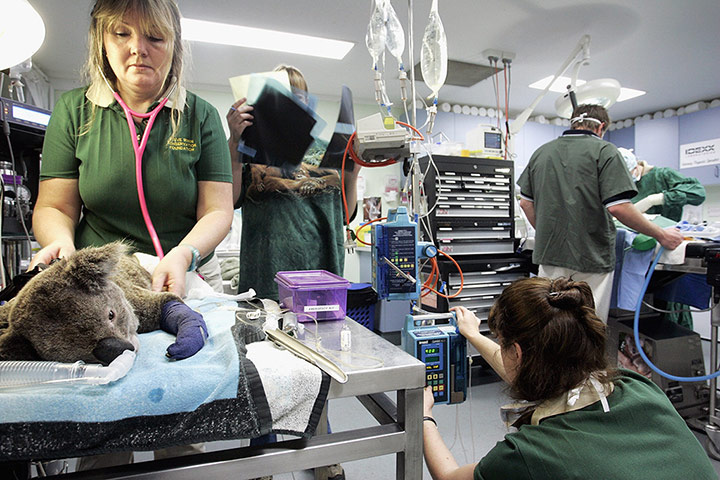
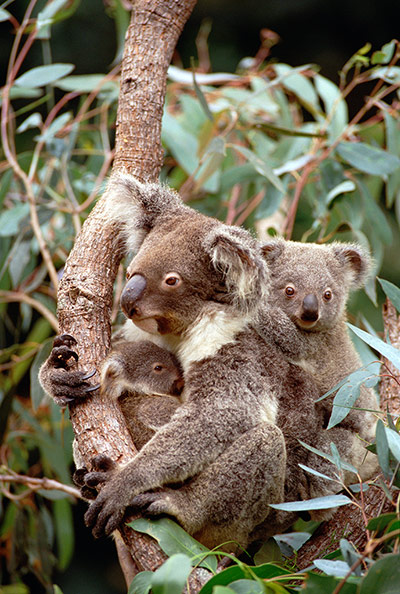
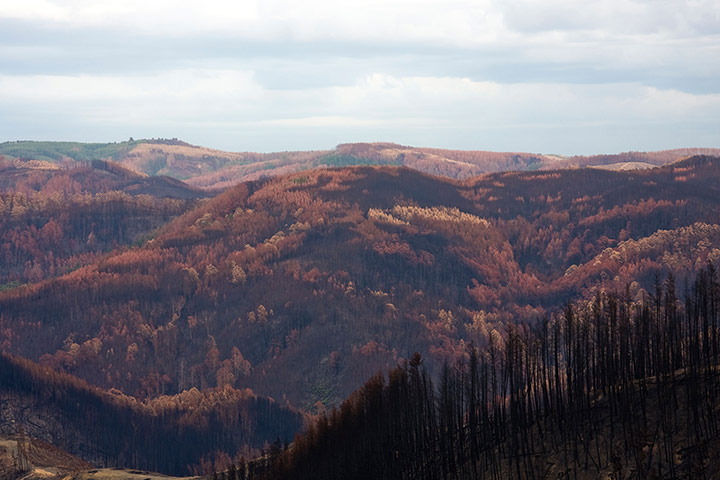
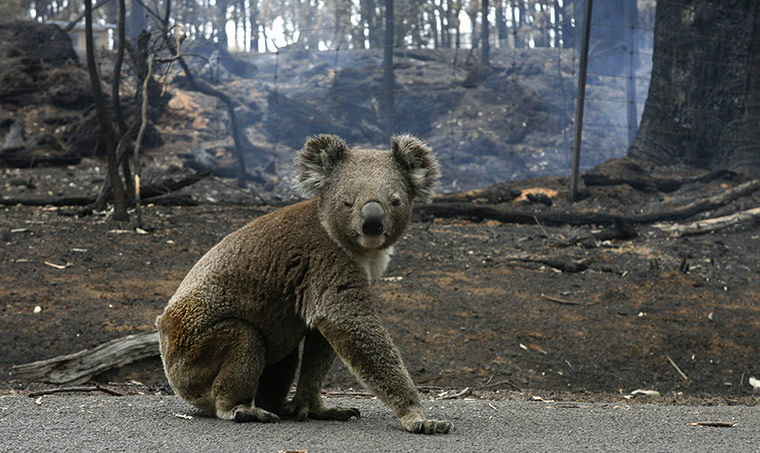
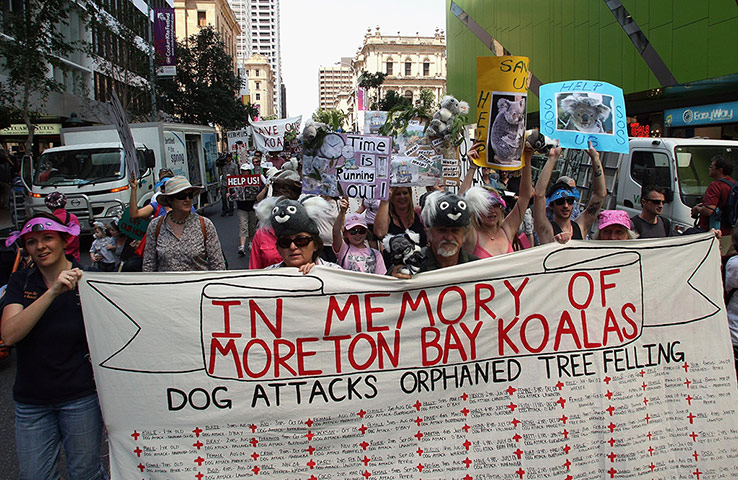
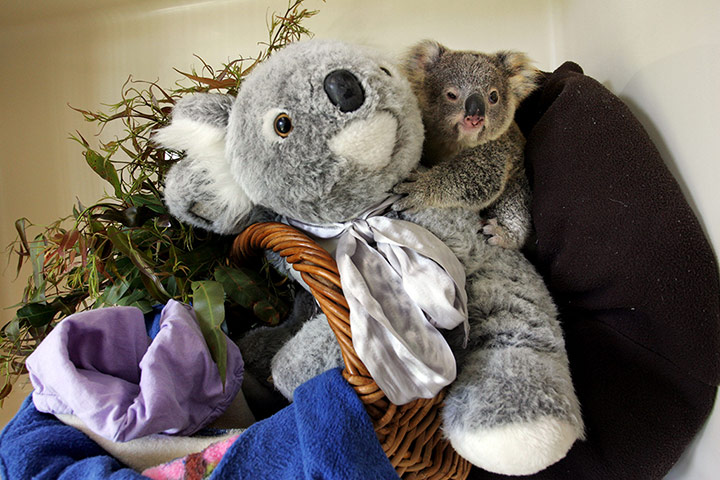
The nutritional value of the remaining eucalypts has been tarnished by increased CO2 in the atmosphere, leading the IUCN to list the koala as one of the 10 most vulnerable species in the world to climate changePhotograph: Momatiuk - Eastcott/CorbisA lone eucalyptus tree alongside a road in Victoria's wheat belt, western Victoria. Listing koalas as endangered is designed to provide a barrier to development in areas where koalas are threatened, and halt a precipitous drop in numbers that has seen the species decline by 40% in Queensland and by one-third in NSW over the past two decadesPhotograph: Jason Edwards/Getty ImagesA koala rescue road sign in Queensland. Koalas are also at risk from vehicle strikes in built-up areasPhotograph: Richard Sowersby/RSOA critically injured koala is treated at the Koala and Wildlife hospital on the Sunshine Coast, Queensland. Founded by Steve Irwin, the hospital adjoins Australia zoo, and provides medical care and rehabilitation to sick and injured wildlife, predominantly koalasPhotograph: Lisa Maree Williams/Getty ImagesA female koala with her joey and an orphan. There is debate over the exact number of koalas left in the wild. The federal government estimates there are around 200,000, but the Australian Koala Foundation has challenged this figurePhotograph: Gerry Ellis/CorbisAn area of South Gippsland, Victoria, that was devastated in the 2009 'Black Saturday' bushfires. Bushfires are endangering the koala species. The Australian Koala Foundation website says each bushfire decreases the population of koalas and makes the species vulnerable to localised extinctionPhotograph: AlamyA dazed koala on the road in Callignee, Gippsland, after Black Saturday. Koalas climb down from their home and scurry along the ground to escape, but fire often closes in on the slow-moving animals and they become trappedPhotograph: David Crosling/Newspix / Rex Fea/NPXProtesters march during the Save Our Koalas rally near Brisbane Square in 2009. Fatal attacks on koalas by domesticated dogs were also cited as a problem in today's report, particularly during recent unusually warm summers, where the marsupial has been sighted in residents' gardens, unable to climb trees and drinking from swimming pools and water bowlsPhotograph: Bradley Kanaris/Getty ImagesAn orphaned joey clutches a fake substitute mother at the Australian Wildlife hospital on the Sunshine Coast, QueenslandPhotograph: Lisa Maree Williams/Getty ImagesA koala in Otway national park, Victoria. 'Koalas are an iconic Australian animal and they hold a special place in the community,' Burke said. 'People have made it very clear to me that they want to make sure the koala is protected for future generations'Photograph: Momatiuk - Eastcott/CorbisWhile environmental groups have welcomed Burke's decision, concern has been raised that the minister failed to include Victoria and South Australia in the threatened species listingPhotograph: Gerry Ellis/Corbis
Sign up to read this article
Read news from 100’s of titles, curated specifically for you.