
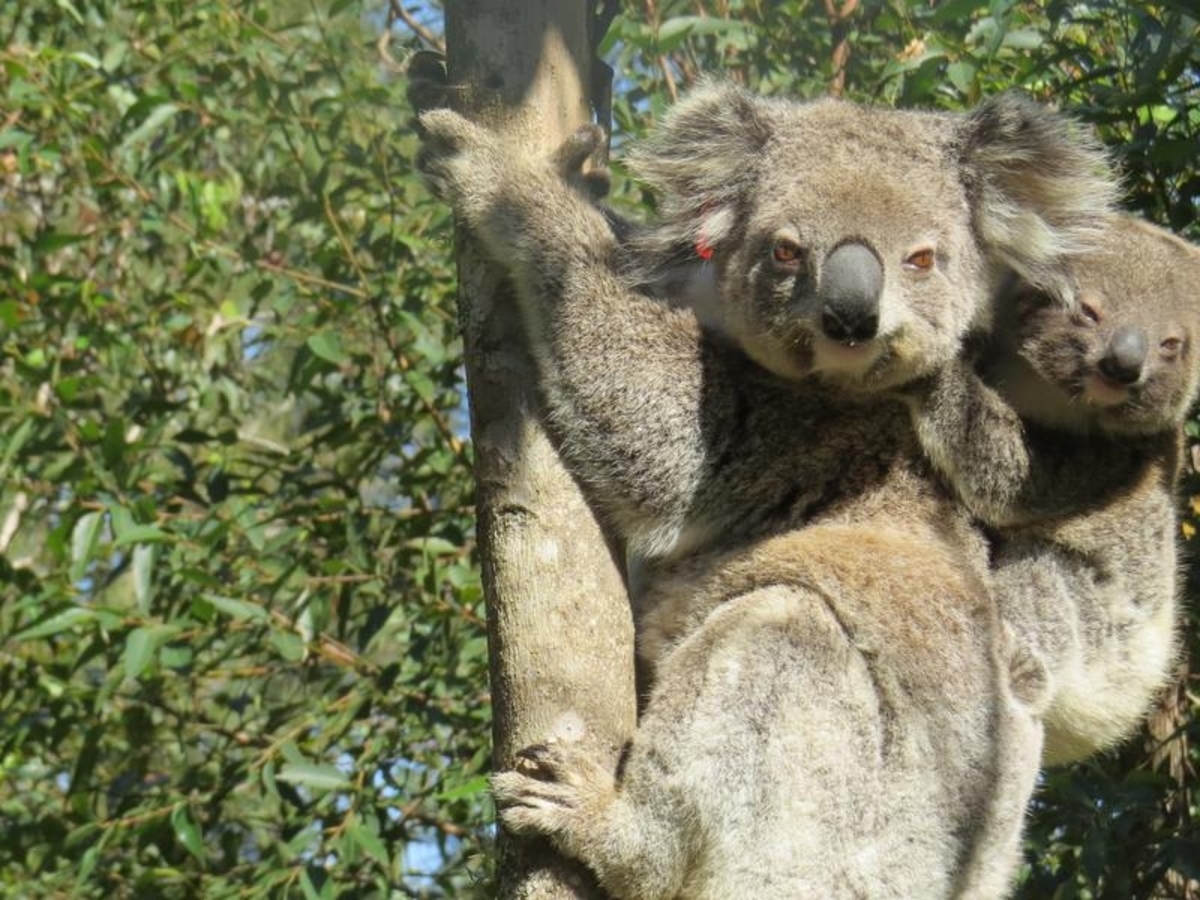
Researchers will be hunting for eucalypt-scented koala droppings in their quest to determine how many of the marsupials remain in the NSW Northern Rivers region.
The koala census follows the destructive bushfires of 2019-20.
Koalas' placid nature and penchant for sleeping camouflaged high up in trees means they're difficult to find and count.
Scat lying beneath large trees is an important clue in the hunt for the animals.
"This is a great technique because it allows us to determine not only where koalas are but where they are not, with a very high level of confidence," said Amanda Lane, a supervising ecologist with consultant Biolink.
Biolink is working on the head count in the Northern Rivers, along with local councils and the World Wide Fund for Nature-Australia.
The researchers will also be deploying detection dogs and heat-seeking drones.
They'll also be on alert for a "unique squawk-like sound" koalas make during mating season, said Daniel Armstrong, WWF-Australia's Koalas Forever Project Officer.
The team is calling on locals to help out, given many koalas live on private land.
Those who spot a koala can report it using a wildlife app like I Spy Koala, Dr Lane says.
Koala figures in NSW are largely outdated and unreliable, according to a parliamentary inquiry held last year.
While there's good baseline data for some areas, other places have lacked funding to support surveys so researchers don't know what they'll find, said Dr Lane.
"Fingers crossed, there will be lots of fluffy bums up trees," she said.
The World Wide Fund for Nature-Australia estimates 8000 of the furry critters were impacted by the fires.
Data from the search will help scientists track trends and understand how recovery efforts are going.
WWF aims to double the koala population in eastern Australia by 2050,
They need data to target their management approaches, planting and protecting koala habitat and corridors where they are needed most, said Mr Armstrong.