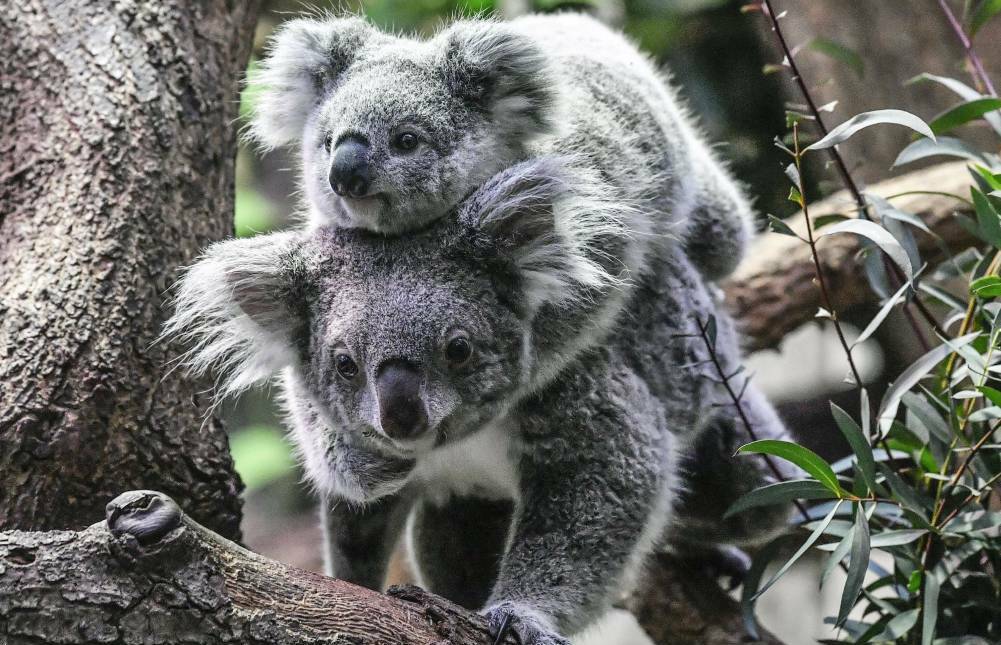
Environment groups have welcomed the Federal Government's pledge to spend $50 million on koala conservation but have warned the initiative does not go far enough.
The funding will go to initiatives including restoring habitat, monitoring populations and boosting research into koala health. Funds will also be allocated to training vets and nurses.
Hunter Wildlife Rescue president Audrey Koosman said the continued loss of koala habitat remained the most serious threat.
"And I really don't think they are addressing climate change," she said.
"It's great to see them putting up this money, but the development doesn't stop.
"We have got koalas over at West Wallsend and Minmi where there is a huge amount of development happening at Fletcher. We have lost an enormous amount of forest in the last couple of months. Any animal that's trying to move through there won't be able to.
Nature Conservation Council acting chief executive Jacqui Mumford said the money, while welcome, would make little difference.
"We don't need more research and koala hospitals. We know what the problem is - it's habitat loss. Habitat loss is driving our koalas to extinction," she said.
"To save the species, we have to stop cutting down the forests and woodlands where they live.
The NSW Threatened Species Scientific Committee has previously warned of "a very high risk" that Port Stephens koala populations could become extinct due to land clearing for agriculture, housing, sand mining and roads.
The World Wide Fund for Nature-Australia welcomed the $50million funding package but said it should be accompanied by a commitment to double the number of east coast koalas by 2050.
"We can't just count koala numbers as they continue to decline. A baseline survey of koalas is important, but it should be used to guide efforts to turn around the sad decline of this Aussie icon," Tanya Pritchard, Landscape Restoration Project Manager, WWF-Australia said.
Above all, Ms Pritchard said the funding must be followed by a comprehensive national recovery plan backed by state governments that addresses the two biggest drivers of koala declines - deforestation and climate change.
"This money is much needed, but without stronger laws and major landholder incentives to protect koala habitat their forest homes will continue to be bulldozed and logged," she said.
In the news