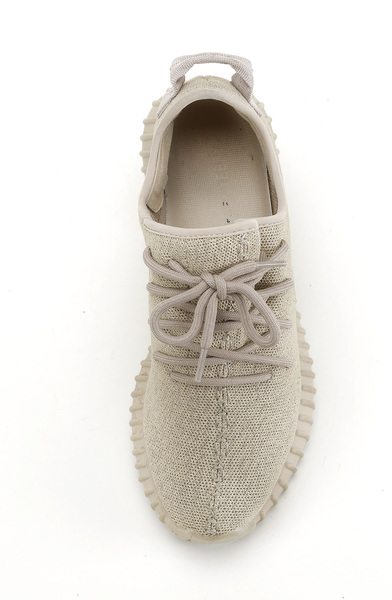
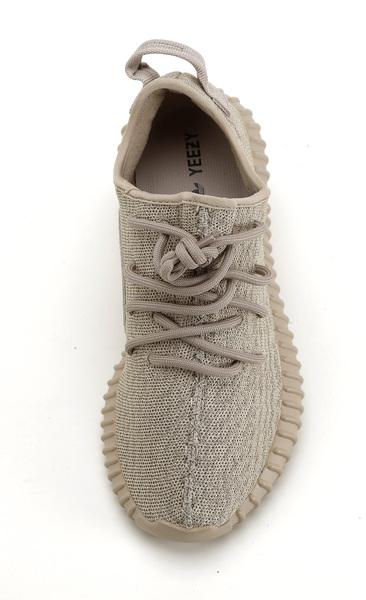
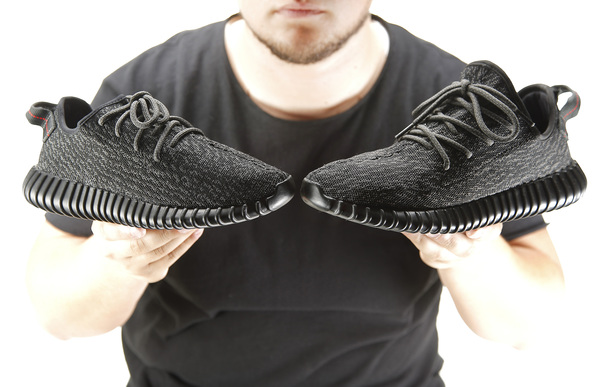
LOS ANGELES _ Kevin longed for a pair of Adidas' "pirate black" Yeezys, a charcoal-colored edition of the ultra-hip sneakers designed by rapper Kanye West.
But the 22-year-old Los Angeles-area resident couldn't just walk into a store and buy them. The limited production shoes sold out shortly after their release, and resellers online were charging upward of $1,500, seven-and-a-half times the original retail price.
So the assistant high school football coach did what more and more collectors are doing to satisfy their Yeezy fix: He had a replica pair delivered to his doorstep from China.
"If I could readily buy a pair of Yeezys at the store right now I wouldn't buy fake ones," said Kevin, who agreed to be interviewed on the condition his last name not be published to avoid jeopardizing his relationship with illegal sellers.
Kevin's entree into the world of replica shoes was through the user-generated website Reddit, where collectors share photos of copycat shoes and contact information for sellers. They coach counterfeiters on how to get minute details correct like the proper length of a sock liner or the right amount of fuzz on a suede patch. With each batch of bootlegs, the replicas become increasingly difficult to distinguish from their authentic counterparts.
"Why pay over $1,000 for Yeezys when you can get a pair that looks the same for $120?" he said.
It's a question vexing brands and copyright holders the world over. The rise of high-end fake Yeezys may represent a tiny fraction of the $460 billion knockoff goods industry, but they provide a snapshot into how widespread counterfeiting has become in the digital age _ all to the delight of collectors who are so devoted to the shoes they're willing to undermine the very brand that makes them.
The shadow sneaker trade shows the tools of globalization aren't restricted to multinational brands. The replicas Kevin wears are re-created expertly in China, marketed on social media, sold over reputable e-commerce sites and delivered discreetly by international couriers. And customers are more than willing to pay over $100 a pair for the fakes knowing it often takes an expert to spot the difference.
"When I'm in the city I like to pay attention to what people have on their feet and I've never seen more fakes ever in my life," said sneaker designer Jeff Staple, who has collaborated with brands such as Puma, New Balance and Nike, for which he created the riot-inducing "Pigeon Dunks." "There's no shame in the game anymore."