
KITAKATA, Fukushima -- It is no exaggeration to say that ramen has become Japan's soul food. Variations on the noodle dish are infinite, but one I encountered recently was something I never would have imagined: Ramen you have to bite to eat.
Kitakata, a small city in Fukushima Prefecture with a population of less than 50,000, is home to one of the nation's Big Three ramen styles, along with that of Sapporo and the Hakata area of Fukuoka. Locals can be found eating the noodles in the morning at restaurants that open as early as 7 a.m.
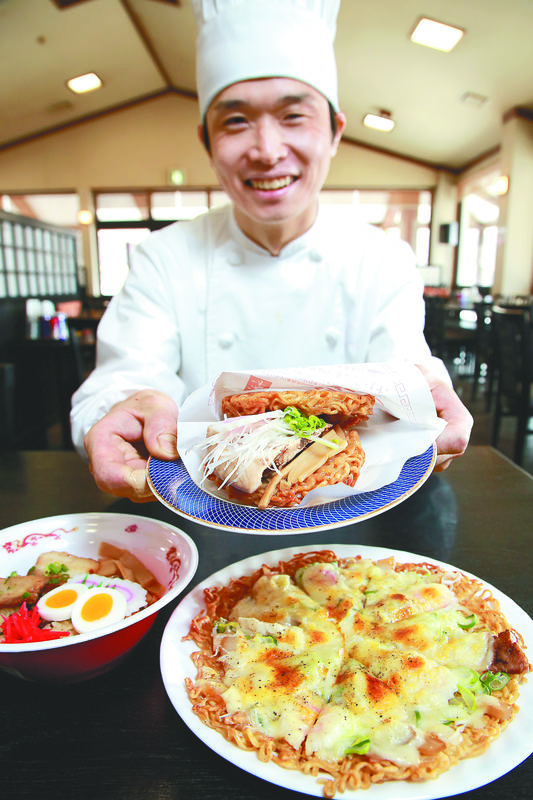
At Kitakata's Fureai Park Kita no Sato michi no eki roadside station, the Kitakata ramen burger can be found for 350 yen (3 dollars). This specialty consists of noodles boiled then fried to make buns, with braised pork and menma bamboo shoots in between. When I took a bite, I found it tasted like a steamed meat bun, but with a distinctive ramen flavor, thanks in part to a sauce made using ramen soup.
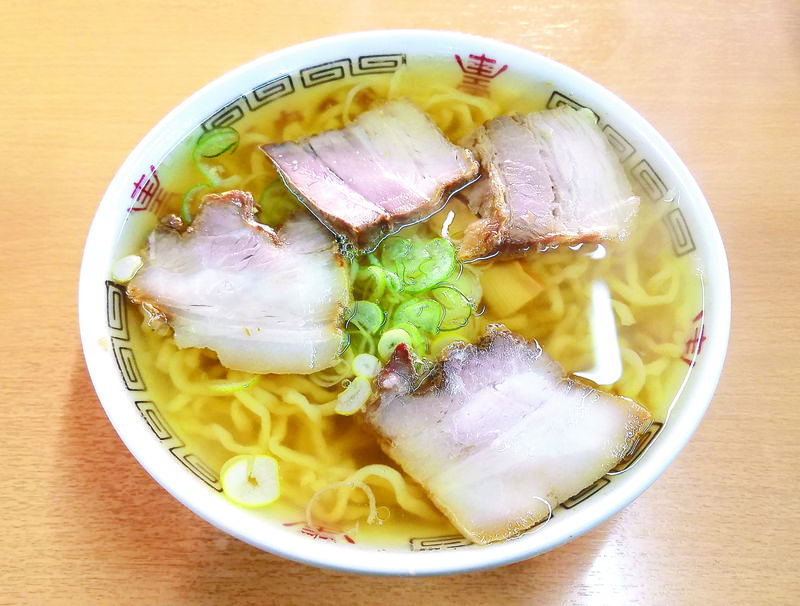
The roadside station also offers ramen donburi rice bowls, which feature rice cooked with ramen soup along with familiar toppings for the noodles -- minus the noodles. According to head chef Yoshinori Hasegawa, efforts to develop ramen spin-off dishes date back to the late-1990s.
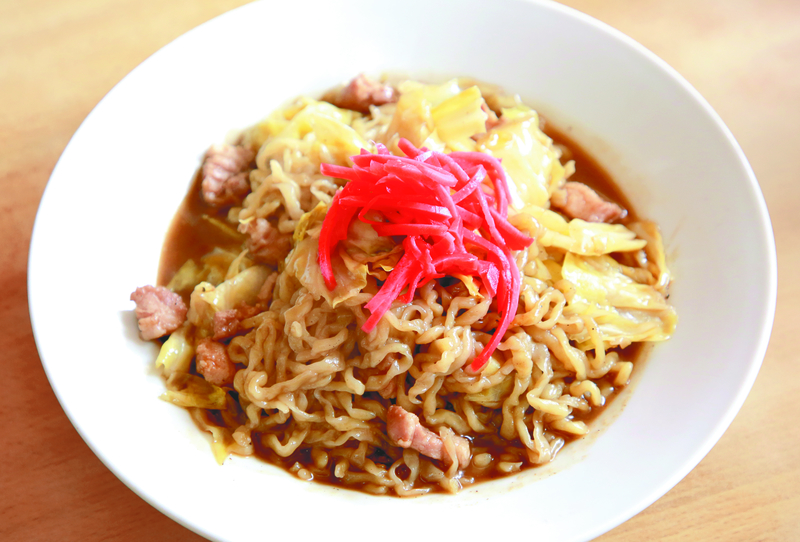
As Hasegawa and his colleagues explored ideas for creating a signature dish for the roadside station, they focused on Kitakata ramen, which is famous throughout the country for its thick crinkled noodles that go well with soup.
"We concluded that we should take advantage of the recognition [of our local ramen]," the chef said.
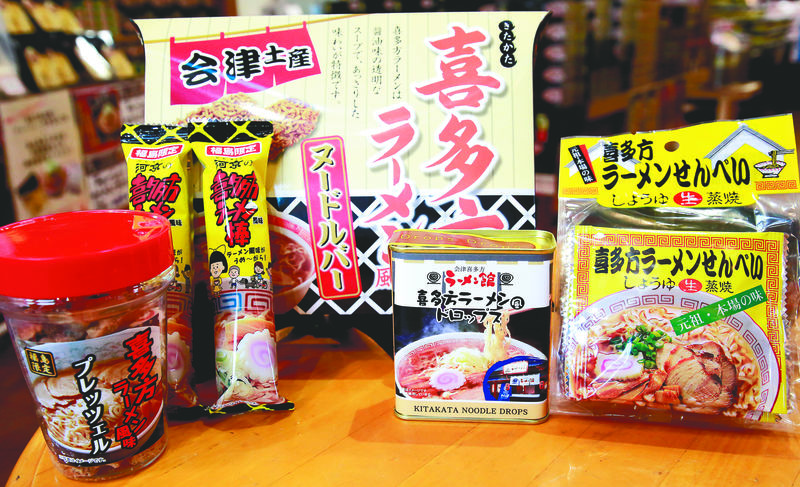
The ramen rice bowl made its debut in 1998, followed by ramen pizza in 2003. The burger, released in 2008, has since been spotlighted as a symbol of innovative ramen culture.
Creating these dishes "nearly at cost, takes time and effort," Hasegawa said.
"But having had the [2011] Great East Japan Earthquake, I believe making these ramen dishes can deliver the message that Fukushima is working hard."
Discovering origins
Having tasted the burger, I decided to discover the origins of Kitakata ramen with a visit to Genraiken.
Restaurant founder Kinsei Ban came from Zhejiang Province in China to work in Japan at the end of the Taisho era (1912-26). Ban eventually arrived in Kitakata, and to make a living, he began selling Chinese noodles even though he had no food experience. However, his products earned a good reputation, and Ban shared tips for making his distinctive crinkled noodles with those who asked, laying the foundations for today's Kitakata ramen.
"If we hadn't had Ban, we wouldn't have Kitakata ramen," said Katsuyo Hoshi, the wife of Ban's son who has long been running the restaurant. She described her father-in-law as an honest person who went through many hardships.
It's apparent that a seed planted in a small city in the Tohoku region decades ago has grown into a giant tree that stretches out with many branches. After the interview, I enjoyed Genraiken's simple traditional ramen, mulling over a culinary saga that nearly spans a century.
To find out more about Japan's attractions, visit http://the-japan-news.com/news/d&d
Read more from The Japan News at https://japannews.yomiuri.co.jp/













