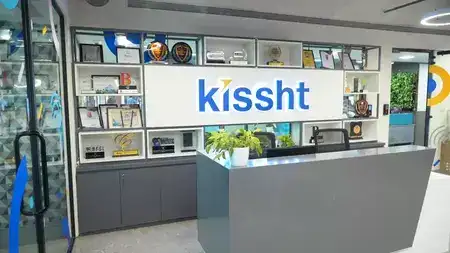
In a modest debut on Dalal Street, shares of OnEMI Technology Solutions, the parent of digital lending platform Kissht, listed with 11% premium over the IPO price on Friday.
The stock opened at Rs 191 and Rs 190 at BSE and NSE, respectively, as compared to its issue price of Rs 171.
The Rs 926 crore IPO, which opened for subscription between April 30 and May 5, received a healthy response across investor categories and was subscribed 9.96 times overall on the final day.
The strongest demand came from institutional investors, with the QIB portion, excluding anchors, subscribed 25.97 times, while the non-institutional investor category was subscribed 6.91 times. The retail portion was subscribed 2.13 times. The issue received over 1.53 lakh applications.
Ahead of the IPO, OnEMI had raised Rs 277.78 crore from anchor investors by allotting 1.62 crore shares at the issue price. The IPO was priced in the band of Rs 162–171 per share, with the final issue price fixed at Rs 171.
The public issue comprised a fresh issue of Rs 850 crore and an offer for sale of Rs 76 crore, taking the total issue size to Rs 925.92 crore.
Founded in 2016, OnEMI Technology operates digital lending and payments platforms under the Kissht and Ring brands. The company offers personal loans, MSME loans, loan against property and merchant EMI financing.
As of December 31, 2025, the company had 63.73 million registered users and had served 11.17 million customers. Assets under management stood at Rs 5,956 crore. On the financial front, OnEMI reported Rs 1,583.9 crore in total income and Rs 199.3 crore in profit after tax for the nine months ended December 2025.
For FY25, the company posted Rs 1,352.7 crore in revenue and Rs 160.6 crore in profit, while net worth stood at Rs 1,254 crore as of December 2025.
At the upper issue price, the company was valued at a post-issue P/E of 10.84 times, with an implied market cap of Rs 2,881 crore.
The IPO proceeds will primarily be used to strengthen the capital base of its NBFC subsidiary Si Creva Capital Services to support future loan growth.
(Disclaimer: The recommendations, suggestions, views, and opinions given by the experts are their own. These do not represent the views of The Economic Times.)