Kiribati enters the end game against climate change - in pictures
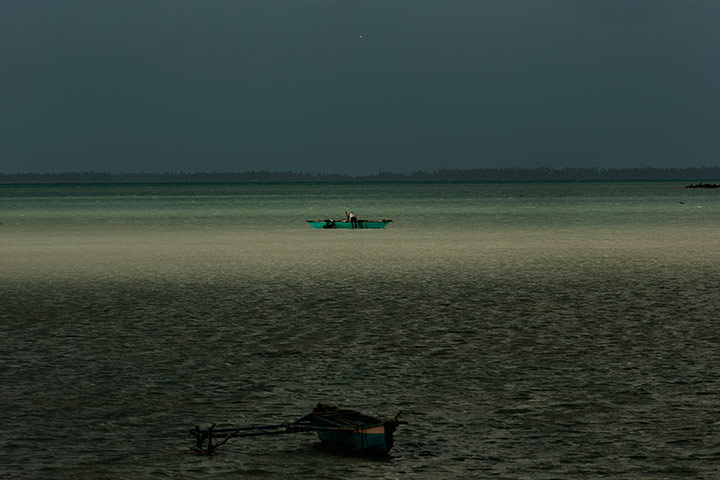
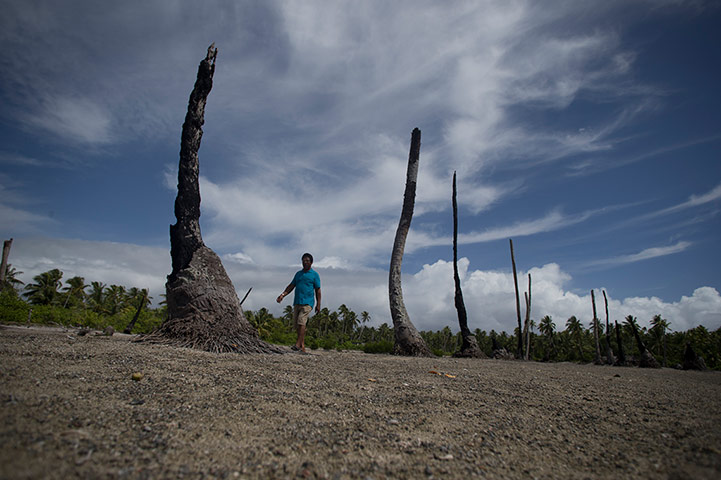
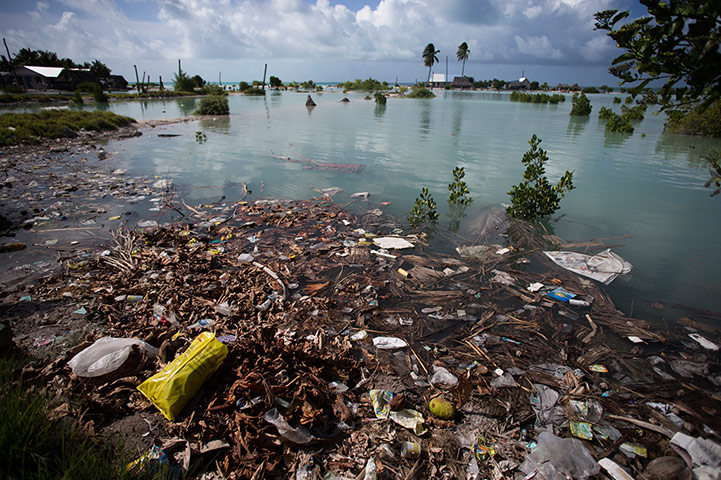
A building afternoon storm traces shadows across the lagoon on South Tarawa, KiribatiPhotograph: Mike Bowers/The Global MailFather Martin, parish priest on the island of Abaiang walks through the wasteland that used to be the village of Tebunginako garden. Rising sea water made the soils heavily saline and unable to support the Bannanas and Taro vital to the villagers' survival Photograph: Mike Bowers/The Global MailDue to the population pressures on South Tarawa, the lagoons and beaches are heavily pollutedPhotograph: Mike Bowers/The Global Mail
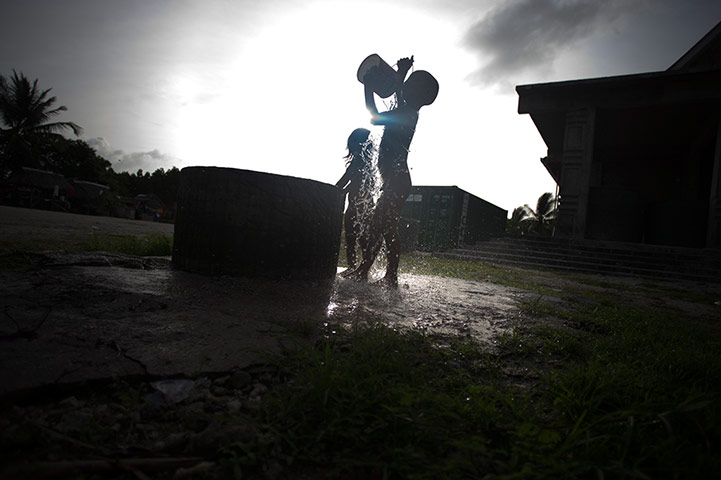
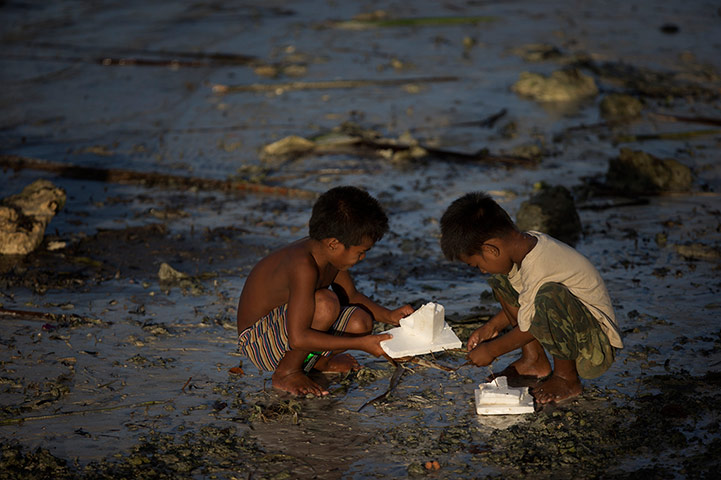
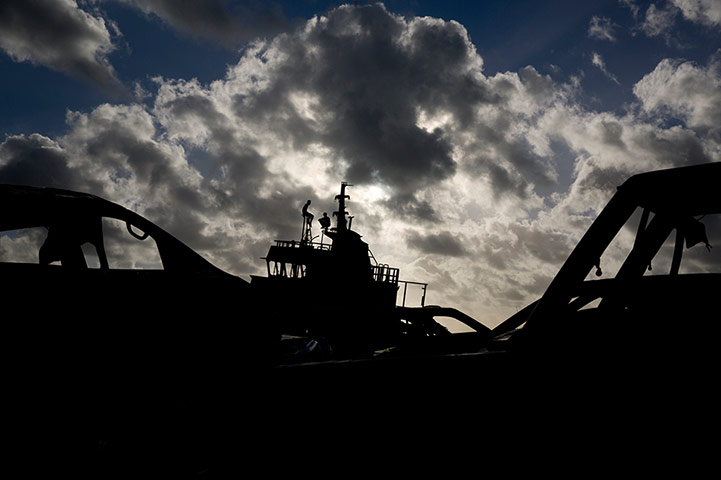
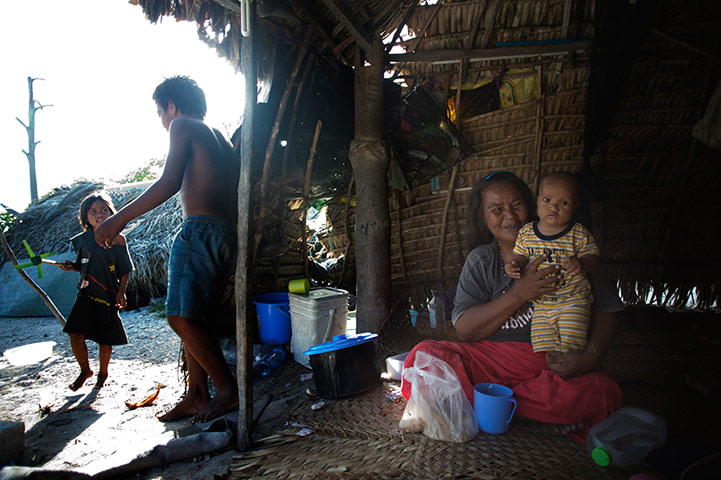
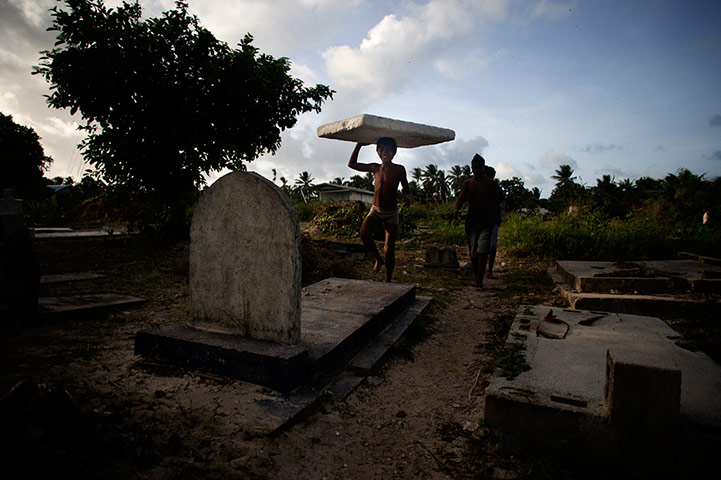
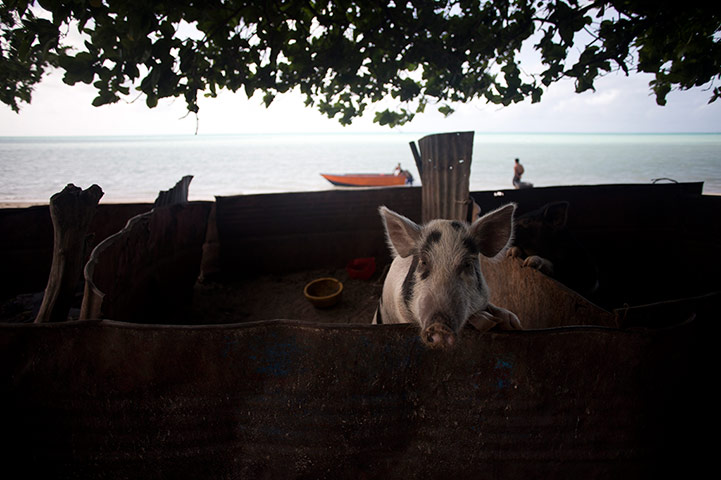
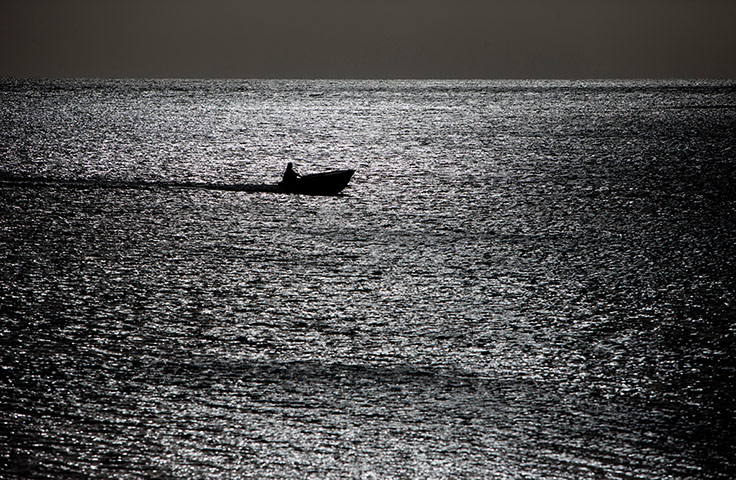
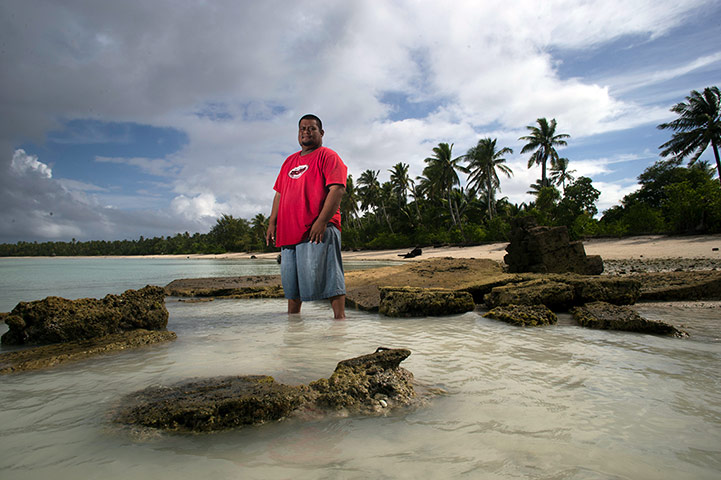
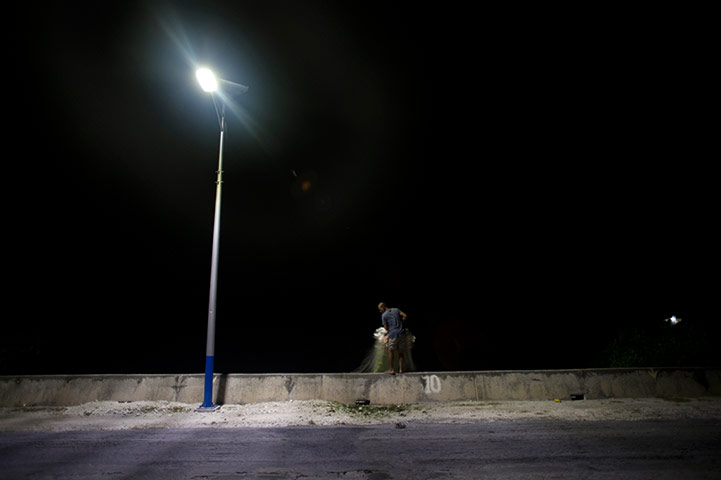
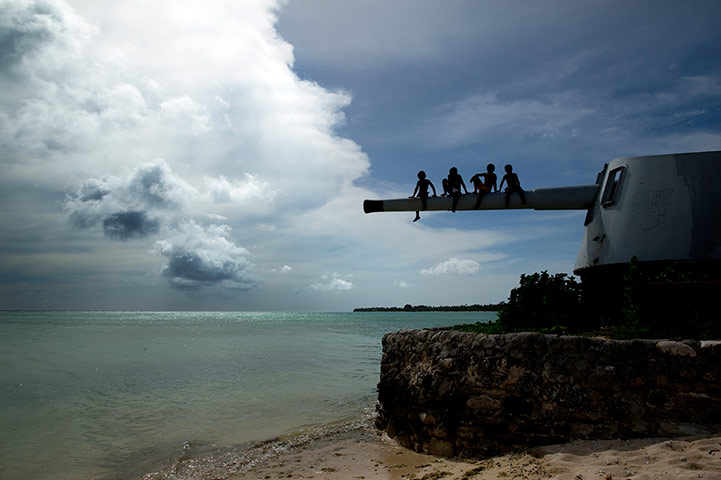
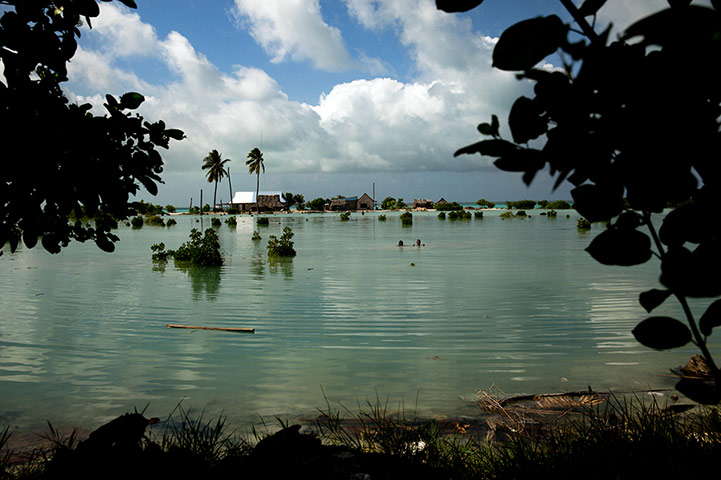
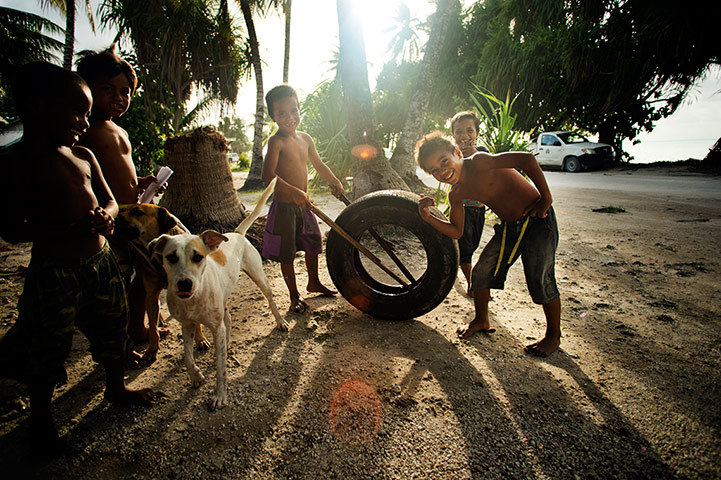
Children bathe at a well in South Tarawa. The population is growing fast, while the fresh water supply is diminishing. As sea levels rise, the water lens shrinks because it is being pushed upwardsPhotograph: Mike Bowers/The Global MailChildren make boats out of styrofoam packaging on an area of the beach used as a toilet. Kiribati has one of the highest infant mortality rates in the Western Pacific, with 37.6 deaths per 1,000 in the first year of life. Lack of sanitation plays a large part Photograph: Mike Bowers/The Global MailChildren play on the rusting hulk of a boat left on the shore along with cars and metal debris. Heavy metals from these rusting hulks leach into the shallow fresh water lens, contaminating the main source of fresh water on South TarawaPhotograph: The Global MailSquatters near the Bonriki international airport. So overcrowded is Tarawa — 51,000 people are jammed onto a 35-kilometre-long sliver of coral — that a few hundred people now live in shanties made of discarded wood and palm fronds within the scrub next to the runwayPhotograph: Mike Bowers/The Global MailWith cemeteries on the island full, families bury their loved ones on their properties and close to their homes, further contaminating the fragile water supplyPhotograph: Mike Bowers/The Global MailWith a population density higher than Manhattan, New York, pigs are housed on the beach just above the high tide mark. From these makeshift sties, contaminates leach into the fresh water supply and the lagoonsPhotograph: Mike Bowers/The Global MailKiribati is massively dependent on foreign money and generates hardly any export income. The country receives some $40m annually in royalties from nations which fish its watersPhotograph: Mike Bowers/The Global MailIn the mid-1990s, Toani Benson would buy petrol from a shop at this site. Now he stands in its submerged ruins Photograph: Mike Bowers/The Global MailA fisherman prepares his net to fish off the “Nippon” causeway that connects the captial of Betio (pronunced Basio) and Bairiki. The causeway was built in the 1970s and was a gift from the Japanese governmentPhotograph: Mike Bowers/The Global MailChildren sit on top of an 8-inch Vickers gun, transported to Tarawa by the Japanese during world war twoPhotograph: Mike Bowers/The Global MailAt high tide, some dwellings are now cut off from the island of South TarawaPhotograph: Mike Bowers/The Global MailChildren play on the main island of TarawaPhotograph: Mike Bowers/The Global Mail
Sign up to read this article
Read news from 100’s of titles, curated specifically for you.







.jpg?w=600)