Kingfisher hatchlings prove success of Cambridgeshire's 'bird hotel'
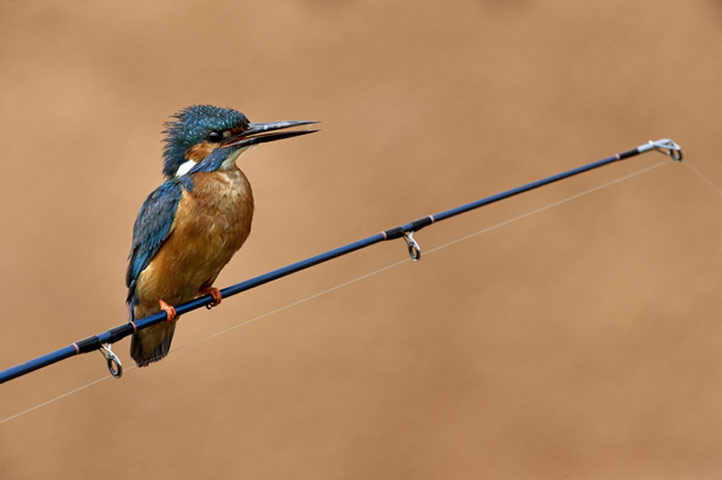
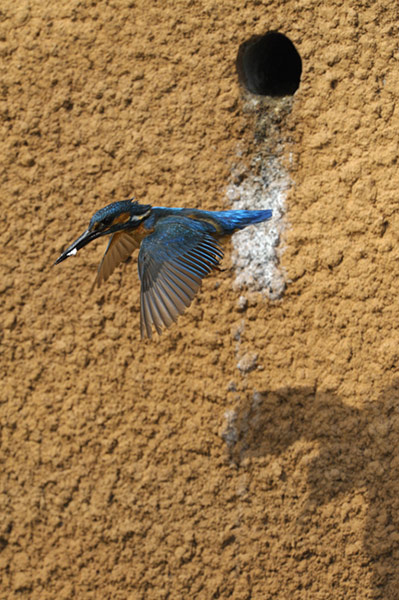
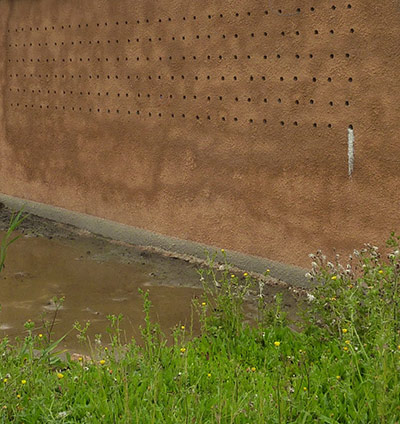
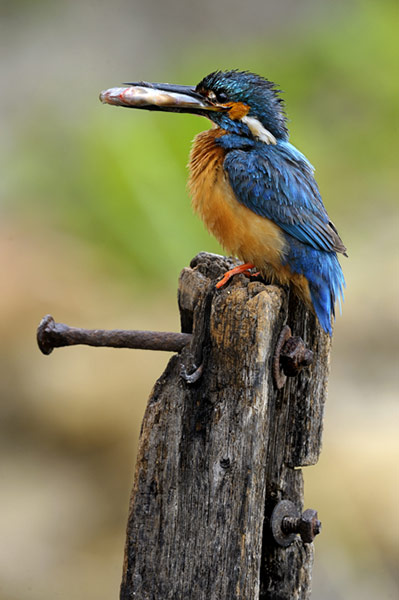
The electric blue flash of a kingfisher is one of the most exciting sights a British nature lover can enjoy: easily recognisable, but exotic and rarePhotograph: Steve Magennis/Natural EnglandSo there has been much excitement that, less than a year after it opened, a pair of these colourful fish-eaters has already started breeding at a new specially-designed bird 'hotel' near a reclaimed wetlandPhotograph: Steve Magennis/Natural EnglandThe emerging guano (bottom right) signals which of the two specially designed kingfisher 'rooms' the couple has moved into, while the managers at the Cambridgeshire site wait for the remaining accommodation to be taken up by sandmartinsPhotograph: Natural England
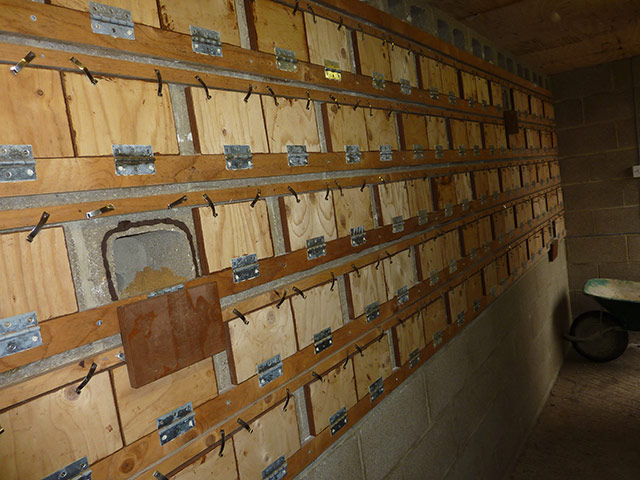
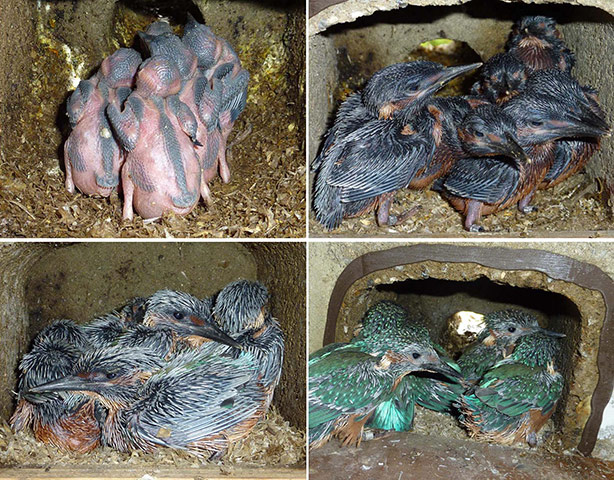
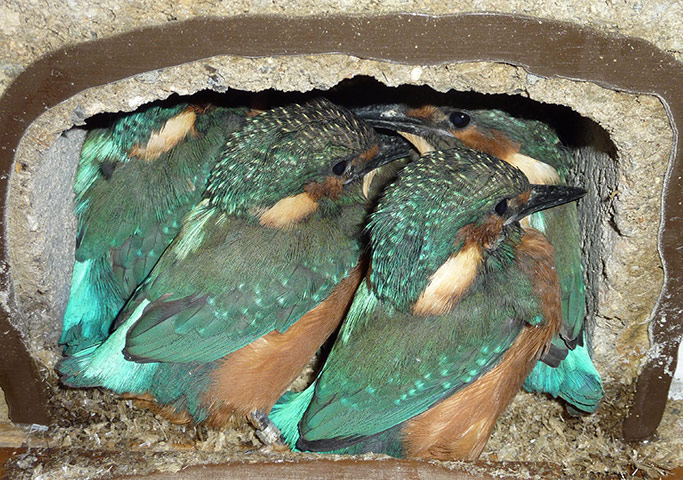
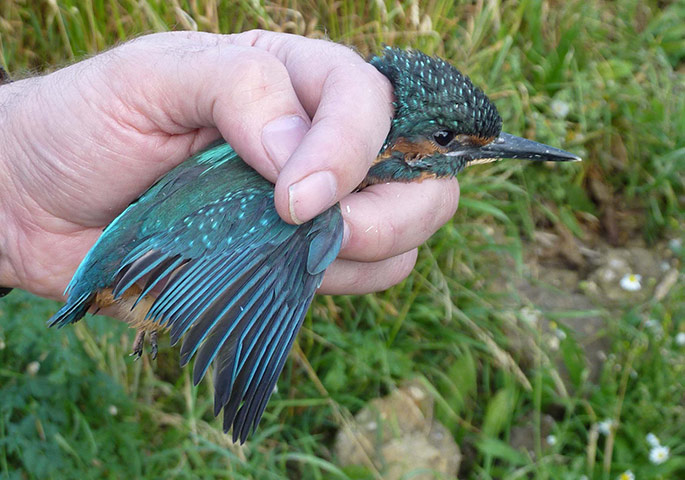
The kingfisher suites – the first in the UK – mimic conditions where the birds would build nests in the wild: in small holes, just bigger than themselves, with a small depression to stop the eggs rolling out Photograph: Natural EnglandThe couple's first brood have been photographed by landowner and biologist Professor Tony Martin, at nine days old (top left), 14 days (top right), 17 days (bottom left), and 20 days (bottom right)Photograph: Natural EnglandAt 24-25 days old, the chicks are usually ready to leave the nest, assuming their parents can find 12-18 fish every day for each fledgling – a job made easier by the four-year project to restore 25 hectares of farmland to wetland habitat. 'The presence of breeding kingfishers is recognised as an indicator of high quality wetland, so this first brood is great news for [the] site,' said Nigel Russell of Natural England, which helped fund the projectPhotograph: Natural EnglandBefore they left their parents, usually only four days after leaving the nest, Martin tagged each of the first brood so experts can monitor where they move to and colonise for their own familiesPhotograph: Natural EnglandKids to feed: the parents will go on to have two more broods in the year, while their offspring begin their own families before their first birthdays. Elsewhere on the restored site, breeding avocet, redshank, lapwing, snipe, oyster catcher and black-tailed godwits have also been spiedPhotograph: Steve Magennis/Natural England
Sign up to read this article
Read news from 100's of titles, curated specifically for you.