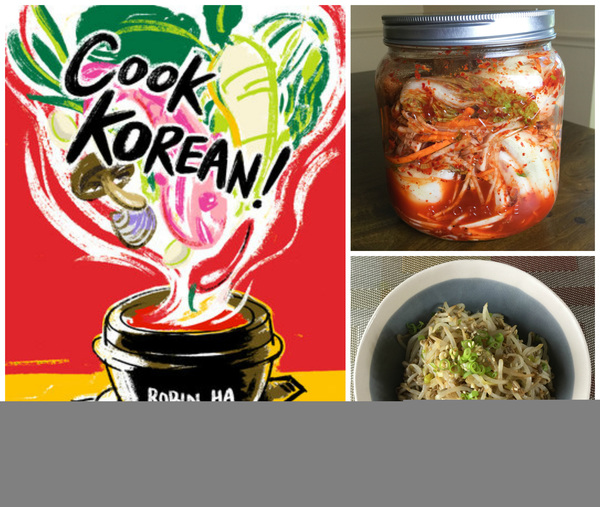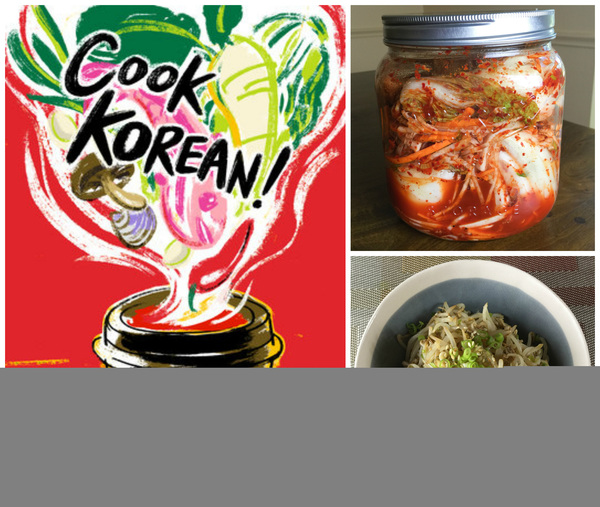
If you want to learn to cook Korean food and you're starting from scratch, the first thing to do is find a very large jar. The second is to procure a copy of "Cook Korean!: A Comic Book with Recipes." But no need to commit just yet; you can try a few of our adapted recipes first.
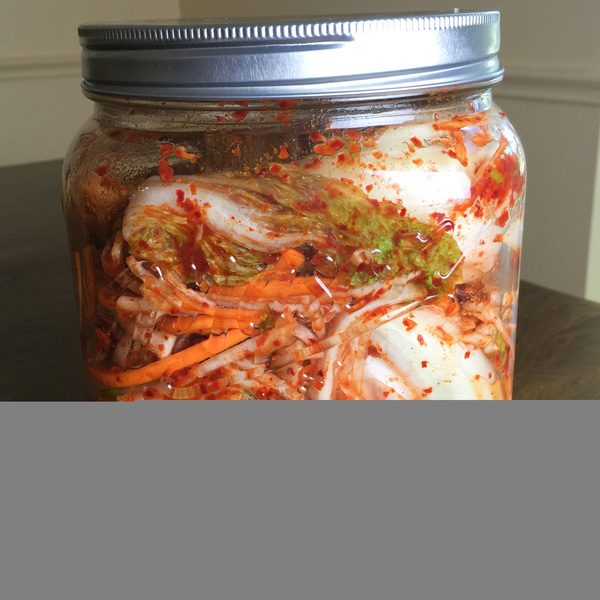
The jar, which needs to be glass and very large _ like 96 ounces large _ is for making kimchi, which is not only delicious (and super-healthy) on its own and an ingredient in many Korean dishes; it's also a hugely important part of Korean culture.
The book, engagingly written and illustrated by Robin Ha, a graduate of Rhode Island School of Design with a bachelor of fine arts in illustration, makes learning this cuisine _ which might otherwise be daunting if you're a first-timer _ approachable and fun. That's because she uses her talents as a comic book artist to explain and illustrate techniques and walk you through the recipes.
But don't worry: Even if you don't want to make your own kimchi (which you can always buy), you can still jump in and turn out some terrific Korean dishes with Ha, who was born in South Korea, as your guide. If you're anything like me, you'll be hooked after making just a couple of recipes. After you cook three or four, you'll even start to feel like an honest-to-goodness Korean cook.
Are you game? You'll also need access to a few key Korean ingredients and (if you want to make kimchi) disposable food-prep gloves. If you live in North Texas, you're in luck: You can find everything (including the gloves) at Asian supermarkets.
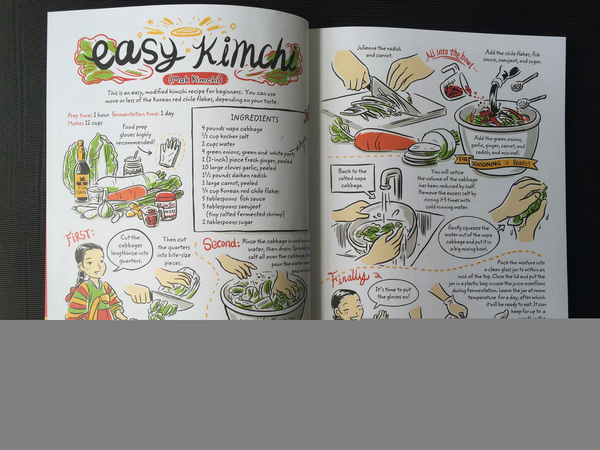
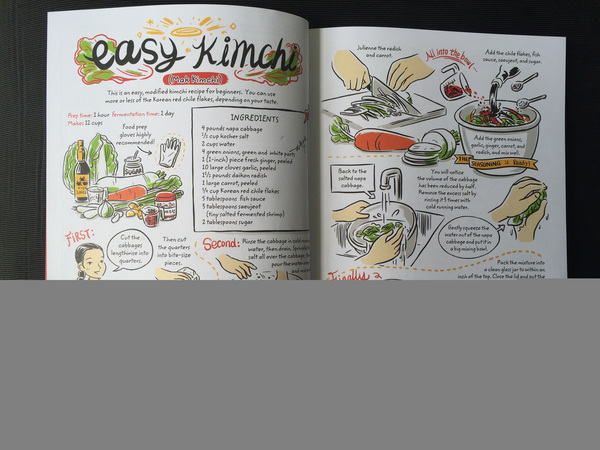
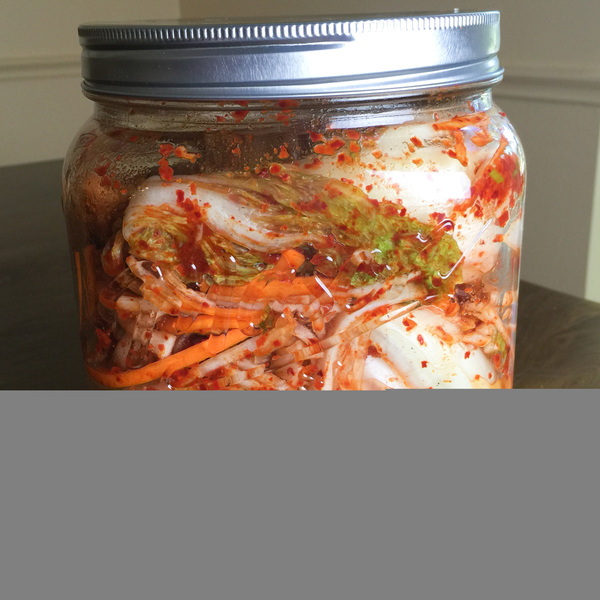
Ha's "Easy Kimchi" _ a basic one starring napa cabbage _ is way simpler to make than you might think, and super-delicious. Make it once, and you understand basic kimchi technique, which is pretty cool, as there are a jillion types of kimchi. It starts with a quick (45-minute) saltwater brine of the cabbage. Squeeze out the water, put the cabbage in a big bowl with carrots, daikon, ginger, garlic, scallions, gochugaru (Korean chile flakes), saeujeot (tiny fermented salted shrimp, which you'll find in the refrigerated section), sugar and fish sauce, then put on those gloves, use your hands to mix it all together really well, pack it in the jar and close the lid. Put the jar in a plastic bag ("in case the juice overflows during fermentation"; mine didn't) and leave it at room temperature for 24 hours. After that, it's ready to eat _ but it gets better and better as it sits in the fridge, where you can leave it, says Ha, up to a month. The recipe is below.
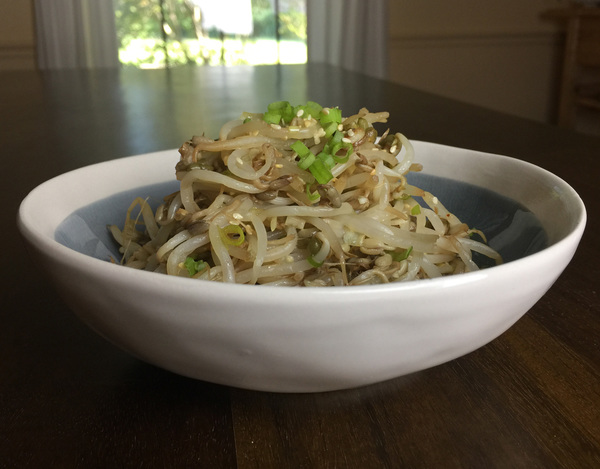
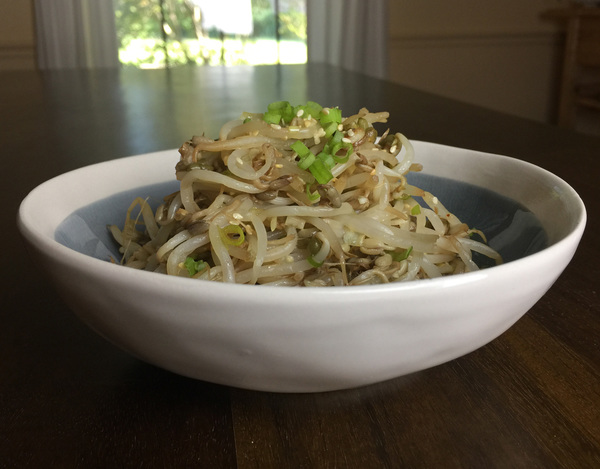
I also loved a quick and easy recipe for bean sprout salad (also below), a classic banchan (side dish) you can make using stuff you can find at a reasonably well-stocked regular supermarket. For this, you just boil bean sprouts, drain and squeeze out the water, then toss them with chopped scallions, minced garlic, toasted sesame oil, soy sauce and toasted sesame seeds.
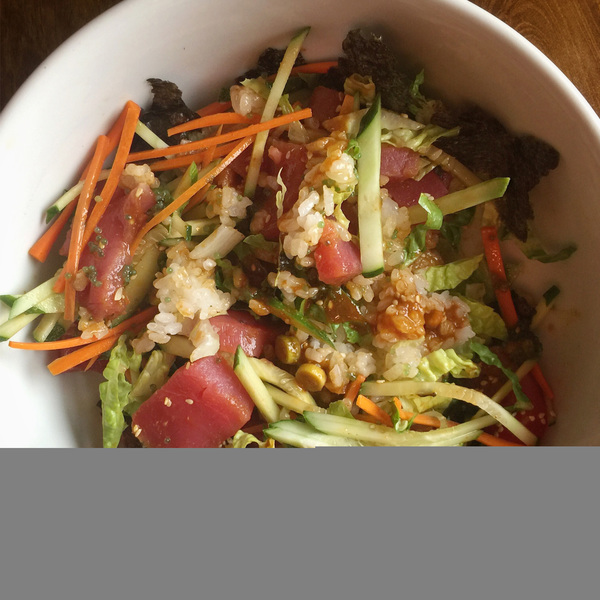
The book also has a number of cold and spicy one-bowl main-course recipes that sounded so fabulously refreshing on a hot summer day. Ha calls Hoedupbap _ a salad and rice bowl topped with raw fish _ "one of the healthiest, tastiest and easiest dishes in Korean cuisine." Sold! "Its tangy, spicy dressing," she adds, "is the key to tying all of the ingredients together."
Right she is, on all counts. The spicy dressing _ made with Asian pear, garlic, lemon juice, gochujang (Korean chile paste), soy sauce, rice vinegar and sugar _ is similar to others in the book, whirred quickly together in a blender. Ha says the cooking time is 10 minutes, but that doesn't take into account that one of the ingredients is freshly cooked rice, which takes about 35 minutes, including letting it sit for 15. I incorporated her rice recipe into my adaptation of her hoedupbap recipe.
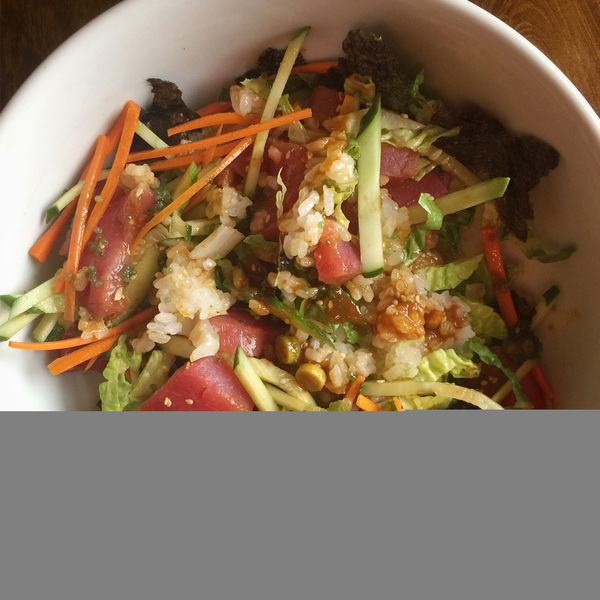
Once you have the dressing ready, the rice cooked, the sashimi-grade raw fish sliced and the salad ingredients prepped (Romaine lettuce, Kirby cucumber, carrot and scallions), you assemble the ingredients in each of two bowls (the recipe serves two). Rice goes on the bottom, then salad, then fish on top, garnished with tobiko (flying fish roe), crushed toasted nori (seaweed) and toasted sesame seeds. Add sauce to taste, mix it up and enjoy. We certainly did! For raw fish, I used sashimi-grade tuna.
A recipe for mulnaengmyun, cold buckwheat noodles topped with cold sliced brisket and quick-pickled daikon and cucumber, didn't work so well _ and it took much longer to prepare (you have to start the day before). The instructions said to combine broth from cooking the beef with pickle juice, but the recipe didn't yield as much broth as Ha calls for. It wasn't bad, but it wasn't appealing enough to make it worth tweaking the recipe to make it work better.
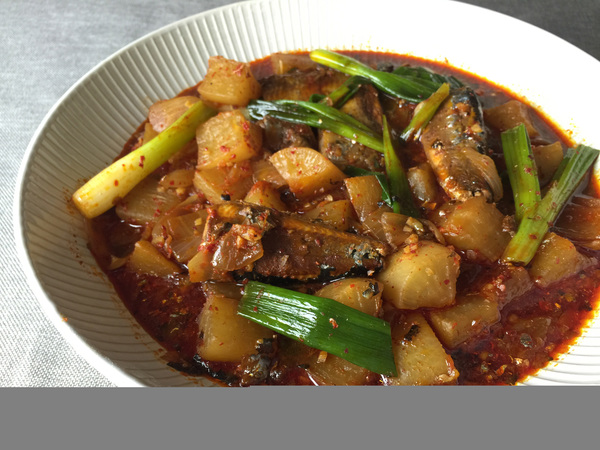
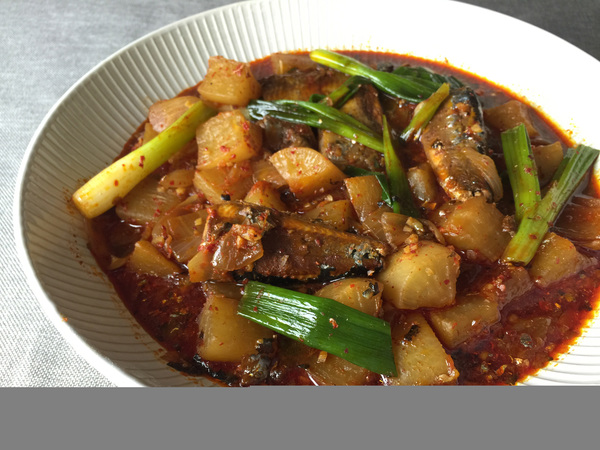
For a final test, I thought I'd try something served hot _ just in case summer eventually decides to end _ and this recipe for braised daikon and saury (mackerel pike) yielded a delicious result.
I love daikon (Japanese radish), whether raw or cooked, and I love shiny fish (like sardines and mackerel), so I couldn't resist an easy, home-style recipe that marries saury and braised daikon, plus garlic, onions, ginger and chile. "It's easy and inexpensive and the leftovers taste good," writes Ha.
Well, this one tasted so good there were no leftovers. That was a tiny issue in the recipe, actually: While the portion sizes in the book tended to be generous, this one, whose headnote says it serves four to six, was just enough for three, as far as the fish went. (There was enough daikon for four.)
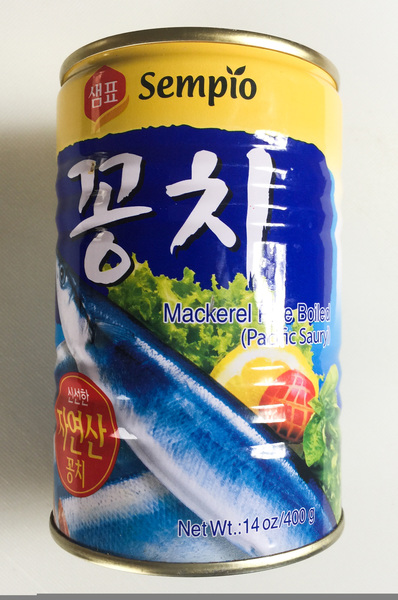
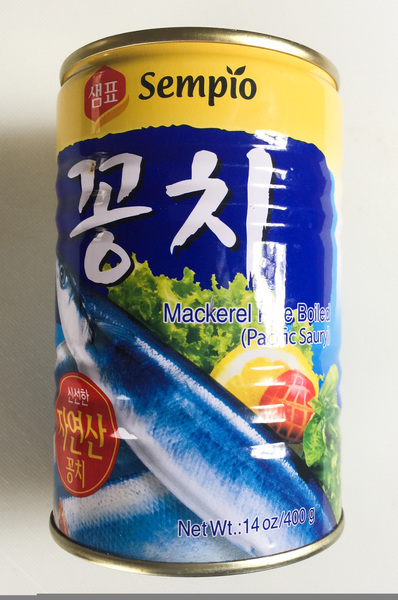
Before I made it, I was most curious about the canned saury the recipe calls for. I'd eaten fresh grilled or smoked saury many times in Japanese restaurants, but I'd never eaten (or seen!) it canned.
The recipe _ another extremely simple one _ worked great. You put chunks of daikon and onion in the bottom of a pot, pour the can of saury over it (including its liquid), along with a spicy sauce you've just thrown together (gochugaru, soy sauce, sugar, garlic and ginger). Cook it 25 minutes, add scallions and cook another three minutes.
So, four out of five recipes tested worked great _ that's a pretty impressive result. I'll certainly make the kimchi and the bean sprouts salad again, and there are a bunch more recipes I want to try. Kimchi fried rice, for instance. And rice cake soup (tteokguk), traditional for New Year's Day. I'll probably skip the Korean barbecue (I think that's probably best cooked over charcoal at a restaurant such as Seoul Garden), but there's a spicy pork over rice (jeyuk dupbap) that looks good. And I'll definitely try the haemul pajean _ seafood and green onion pancake, one of my favorite Korean dishes.
If I have one small caution, it would be this: While "Cook Korean!"'s comic-book style is a big draw, and the illustrations are terrific, the way the recipes wind around the pages can be a little disorienting. Because of that, I occasionally missed directions. For instance, the kimchi recipe calls for cutting the ginormous napa cabbage lengthwise into quarters, then cutting those quarters into bite-size pieces. I somehow missed the part that said to make them bite-size. The recipe worked fine anyway (I used kitchen scissors to cut it up before I ate it). My fault, for sure: At the Super H-Mart in Carrollton, I watched a lady massage kimchi sauce into quartered heads of napa cabbage to make kimchi. But it is easy to miss such details in the comic book.
If you want to try one or two of our adapted versions of Ha's recipes before you spring for the book, you won't run into that problem. Sound good? I thought so!