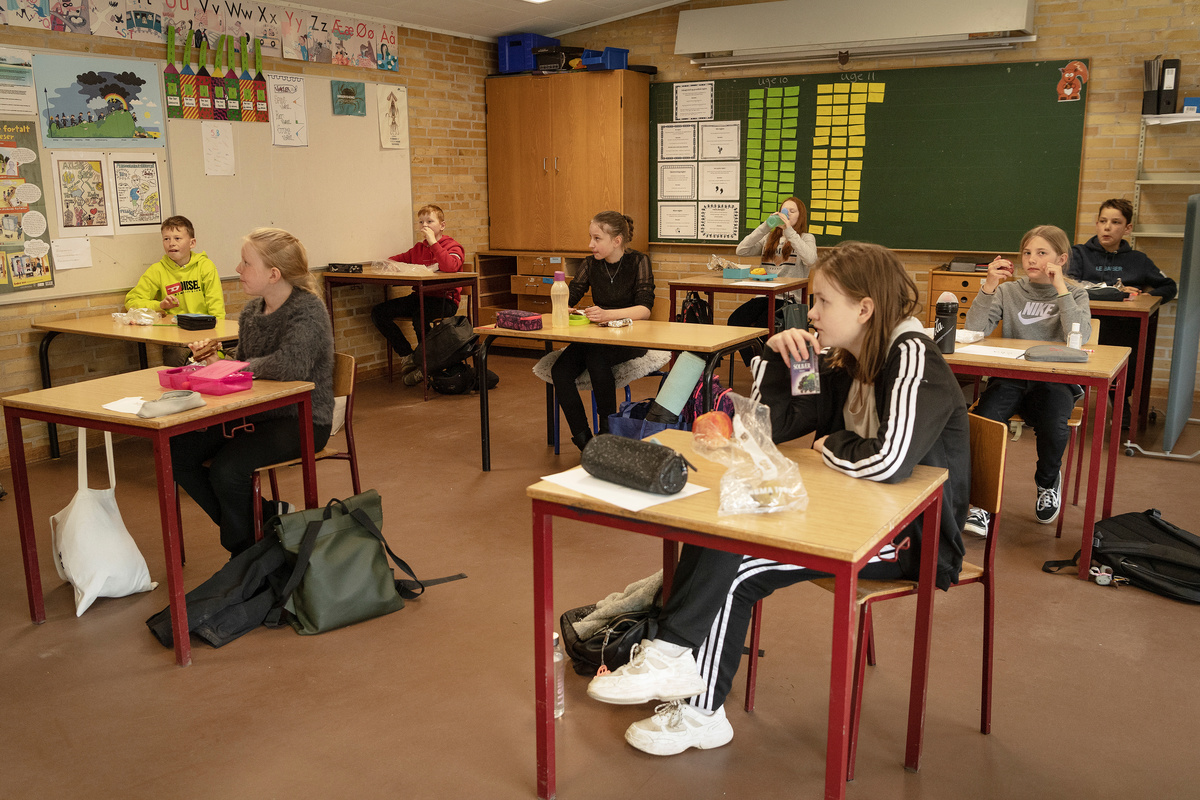
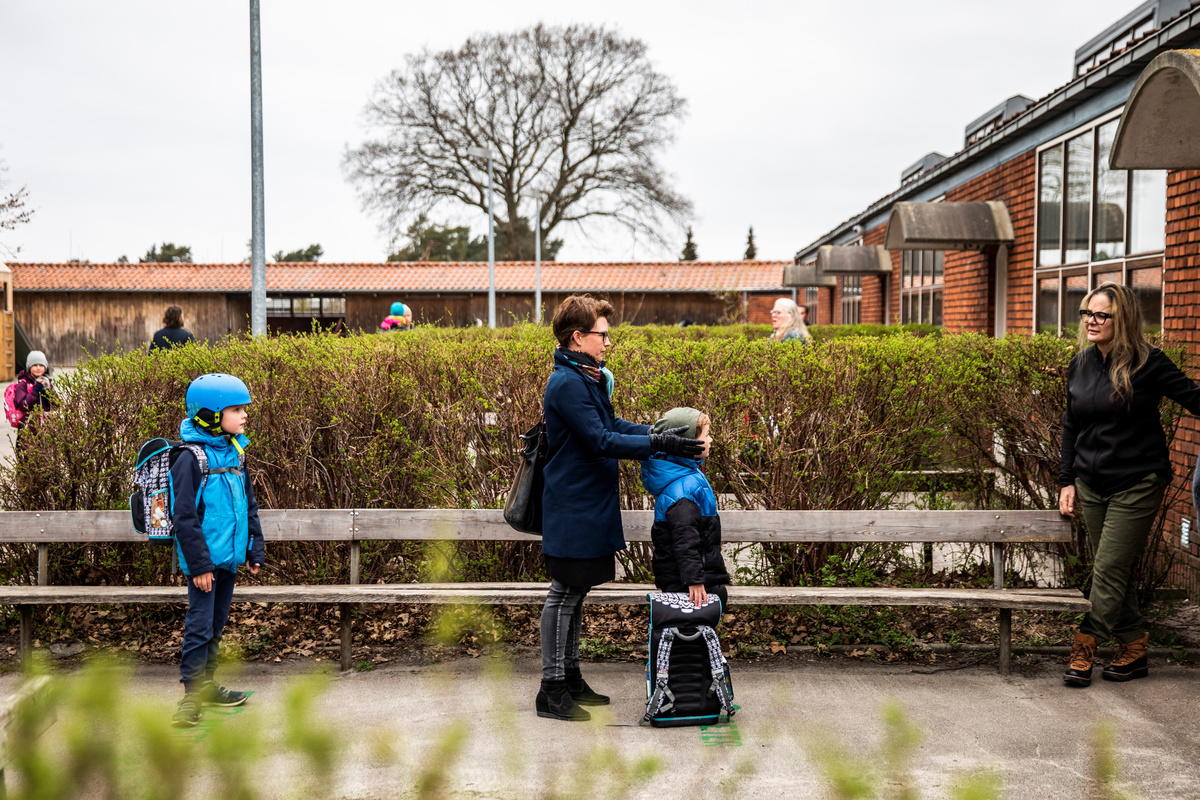
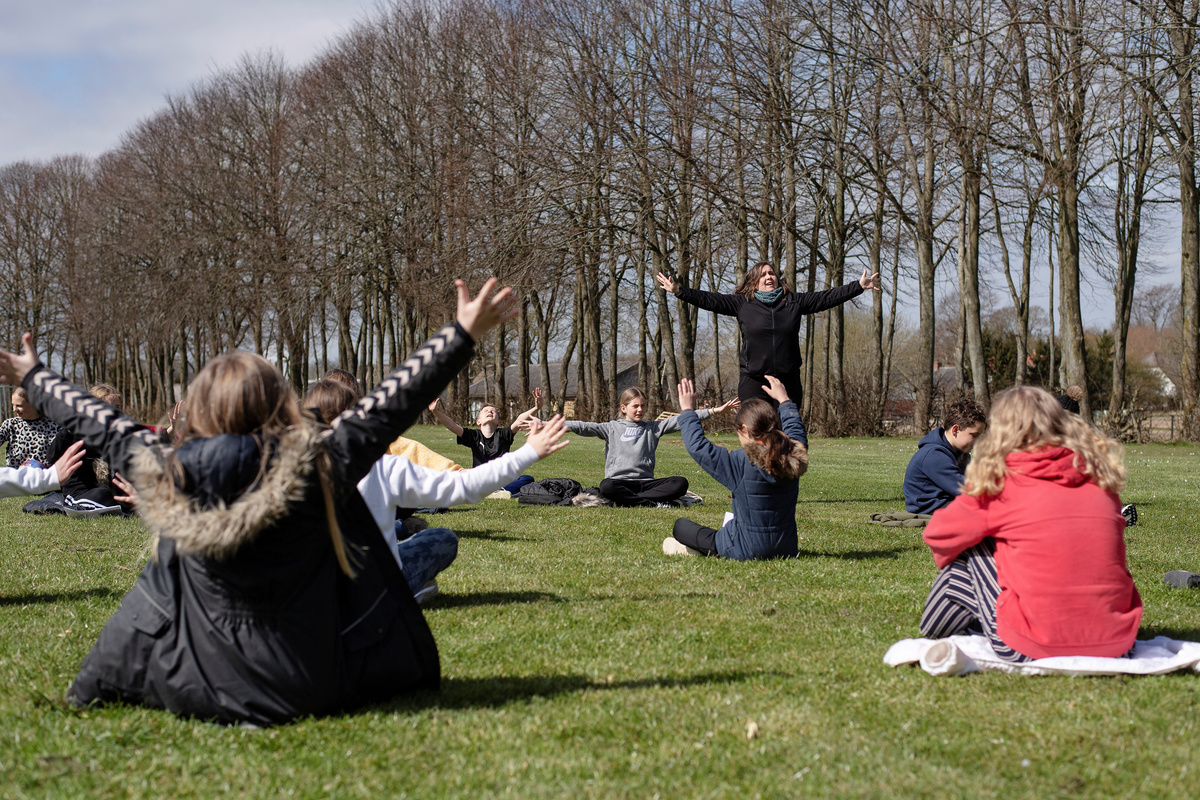
Denmark eased its coronavirus lockdown on Wednesday by reopening schools and day care centres, but concerns they might become breeding grounds for a second wave of cases convinced thousands of parents to keep their children at home.
The rate of new cases is falling, but the government's decision has led to a heated debate over how to balance the needs of the economy and the safety of the population - in this case its youngest citizens.
"I won't be sending my children off no matter what," said Sandra Andersen, the founder of a Facebook group called 'My kid is not going to be a Guinea Pig' that has more than 40,000 followers.
"I think a lot of parents are thinking, 'Why should my little child go outside first'," said the mother of two girls aged five and nine.
The month-long lockdown in Denmark, where the virus has infected more than 6,600 people with close to 300 deaths, has also closed shops, bars, restaurants, cinemas and gyms.
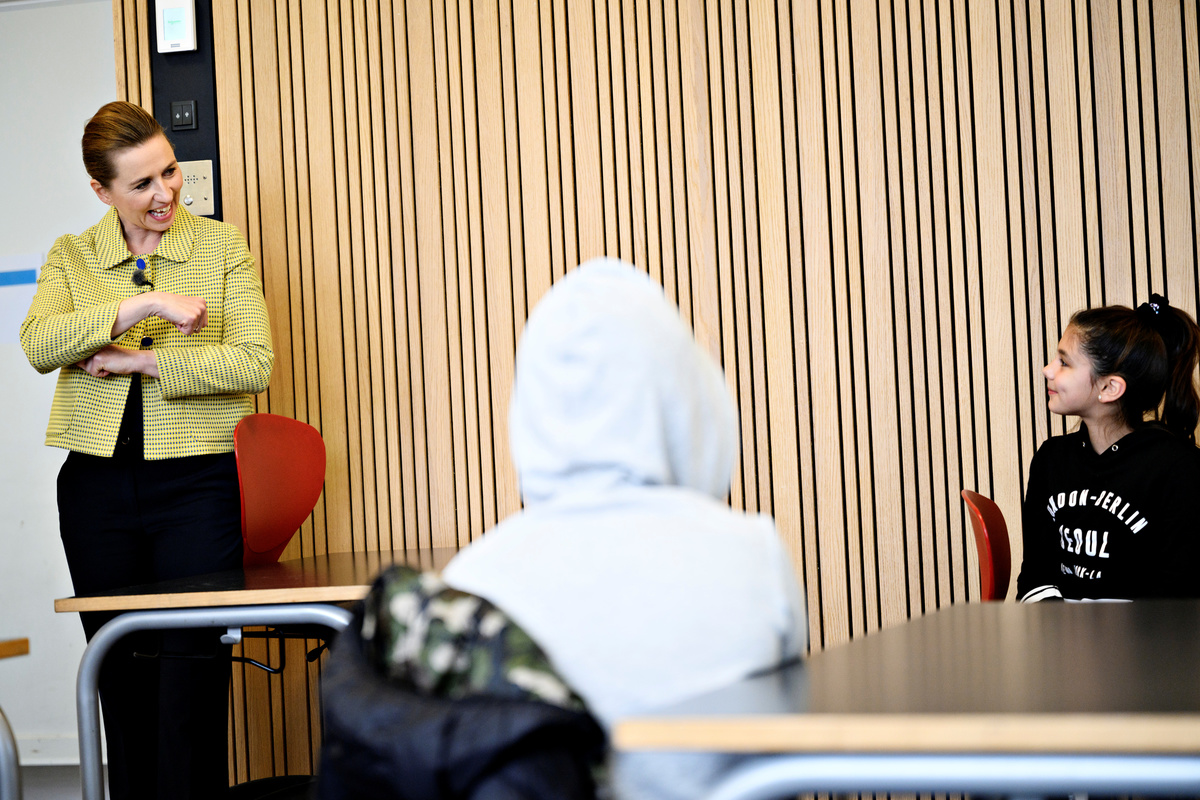
On Wednesday, Prime Minister Mette Frederiksen defended the move, undertaken on health authority recommendations, to ease it by resuming teaching up to fifth grade, saying this would allow parents to return to work and "get the economy going again."
Christian Wejse, a scientist at the department of infectious diseases at Aarhus University, said he understood people's concerns "because we've spent a month trying to avoid contact."
But any new infections would be unproblematic in an age group "where few fall ill, and those who do won't get very sick".
Looking at neighbouring Sweden, which has kept schools open without a drastic rise in infections, children also appeared not to be a major driver for transmission of the virus, he said.
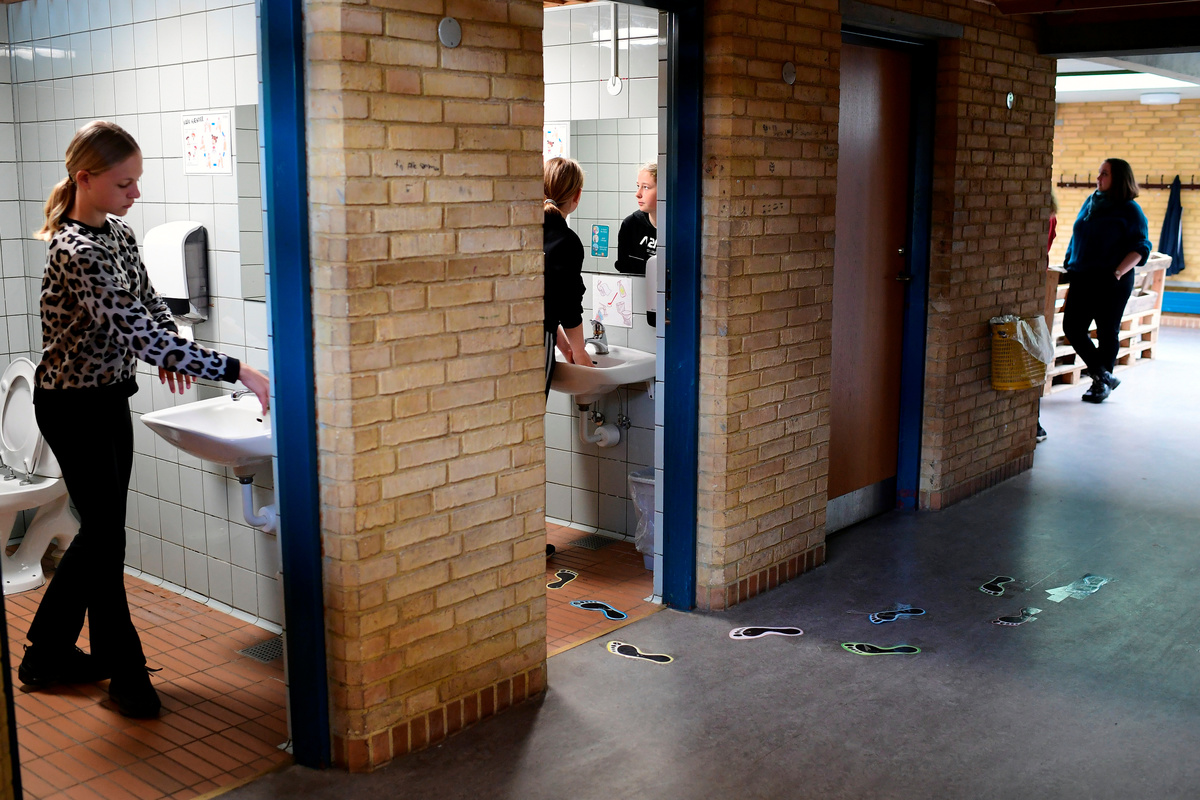
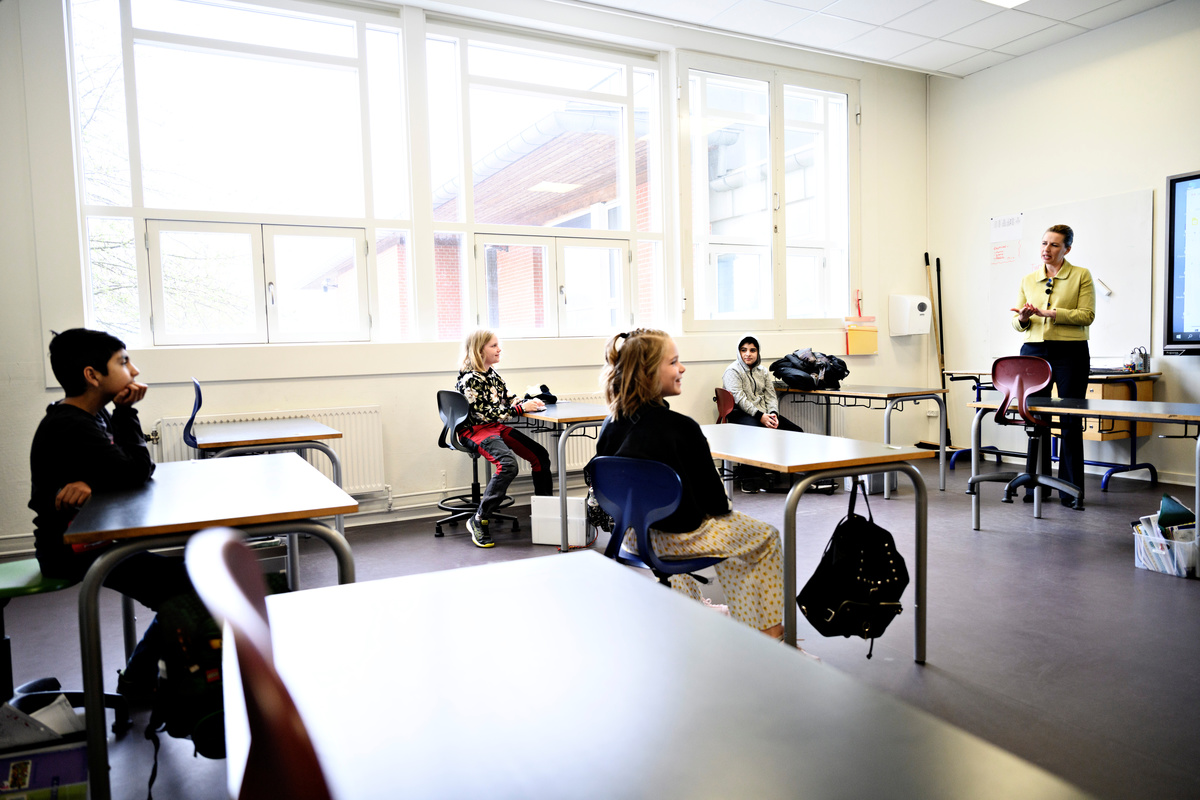
Teaching staff are under instruction to keep social distancing in place between children and, with many school buildings staying closed, in some cases preparing chalk for pupils to write with on the playground tarmac.
"I don't think it's right for the kids not to hug their friends," said Nonne Behrsin Hansen, a mother of two aged two and four.
"We keep the kids home, because the situation in the day cares before the COVID-19 outbreak were not okay, and the conditions they are setting up now are even worse."
For now at least, most members of Momster, an online network of thousands of Danish mothers, do not believe authorities have things under control, according to its founder and CEO Esme Emma Sutcu.
"Suddenly, these moms feel like they just have to throw their kids to the frontline and I think their reaction is: 'Don't mess with our kids'," she said.
(Reporting by Nikolaj Skydsgaard, Andreas Mortensen, Stine Jacobsen; writing by Jacob Gronholt-Pedersen; editing by John Stonestreet)