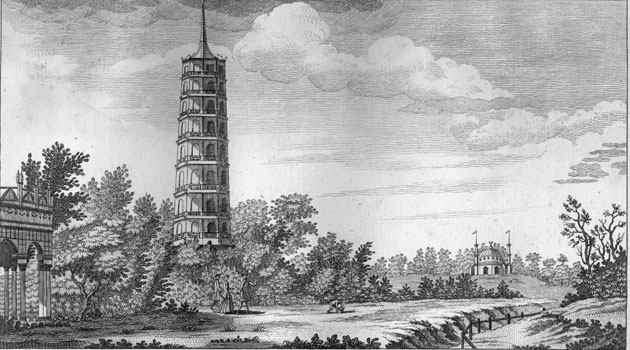
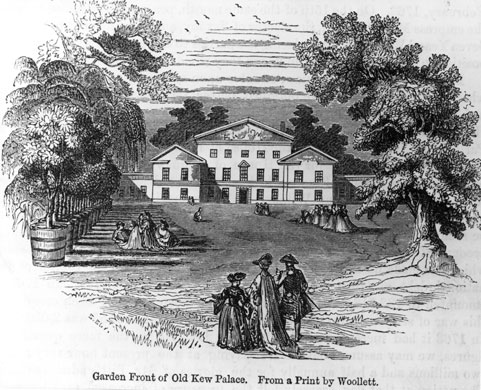
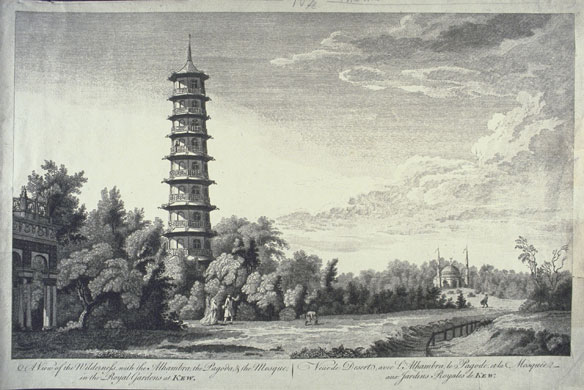
1765: A view of the Pagoda, one of Kew's best-known features, which was completed in 1762, and the Turkish Mosque, which has since disappeared. Both were designed by Sir William ChambersPhotograph: Hulton Archive/Getty1780: The old Kew Palace and gardens, the home of kings George II and George IIIPhotograph: Hulton Archive/Getty Images1900: The Alhambra, Pagoda and MosquePhotograph: Time Life Pictures/Getty
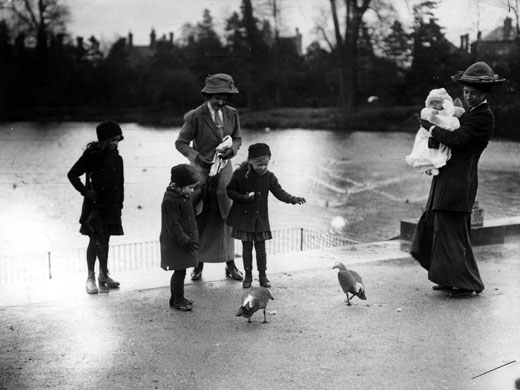
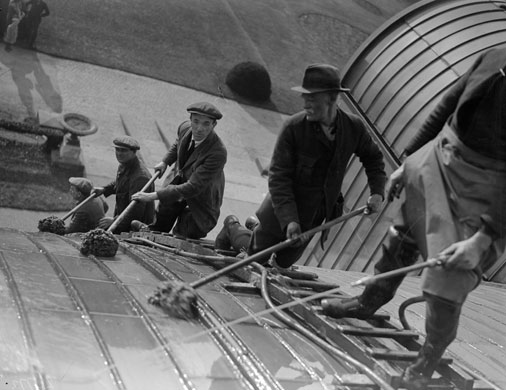
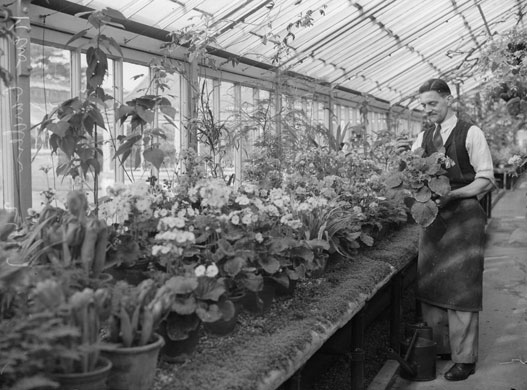
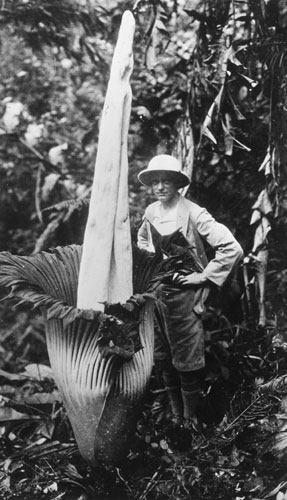
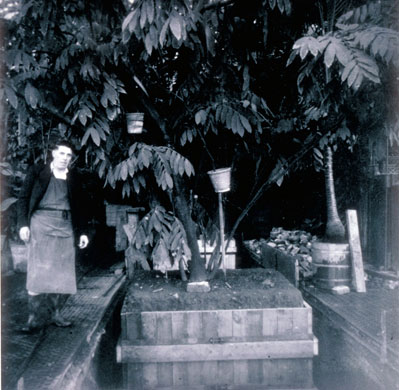
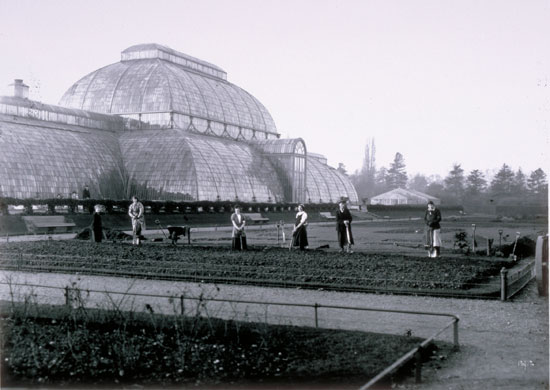
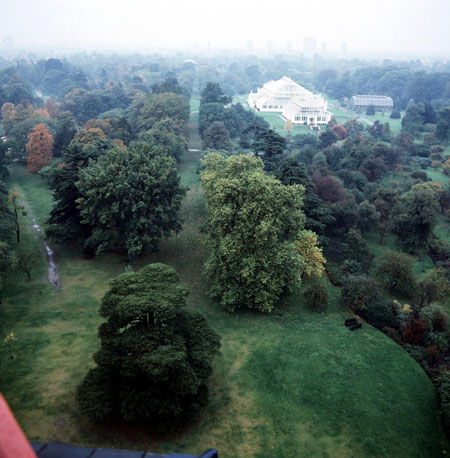
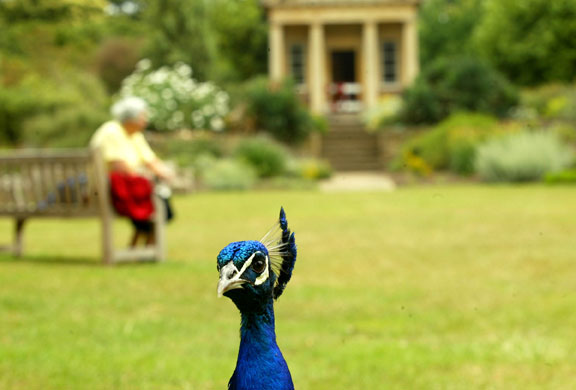
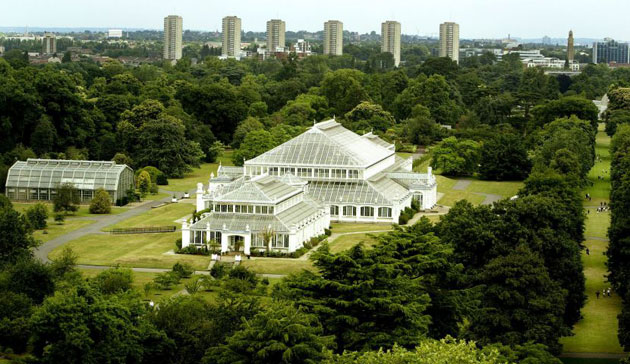
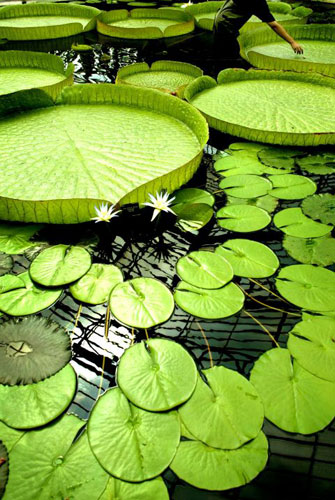
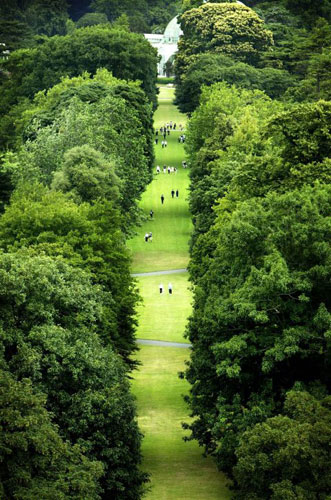
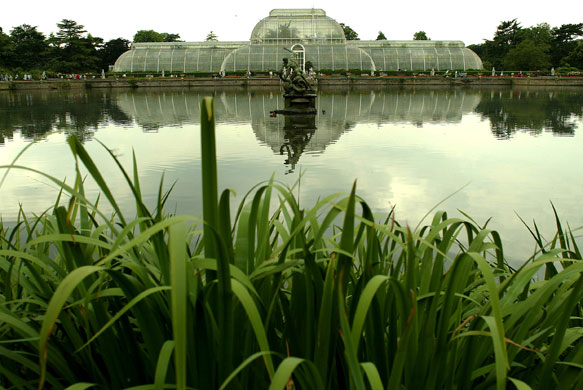
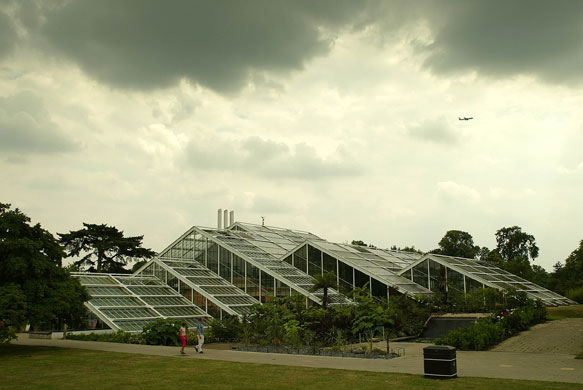
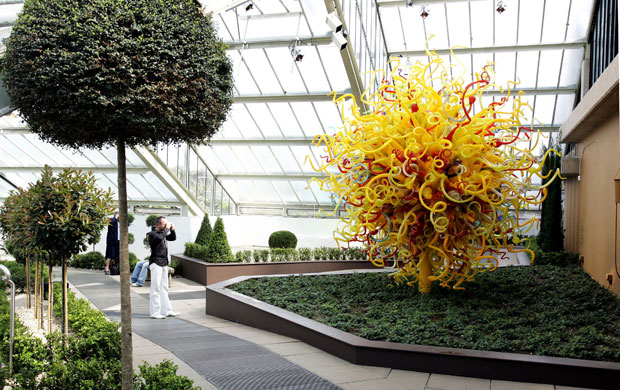
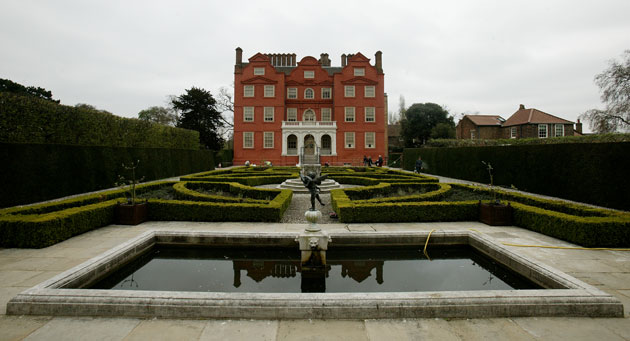
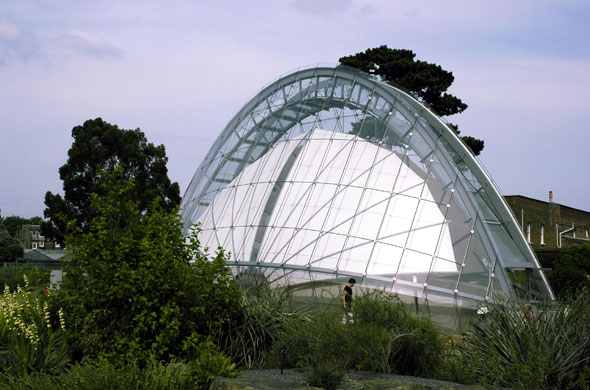
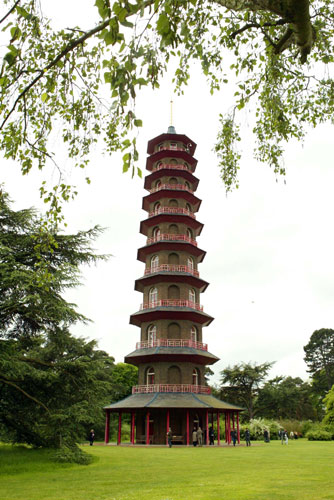
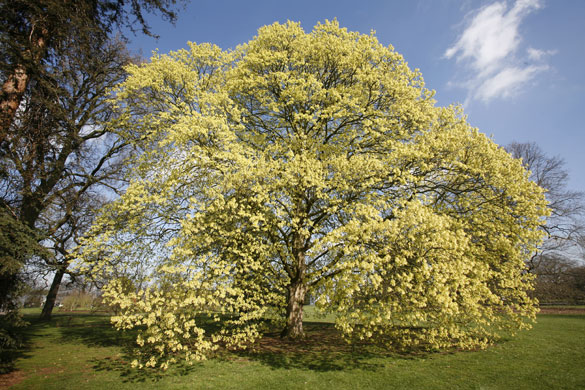
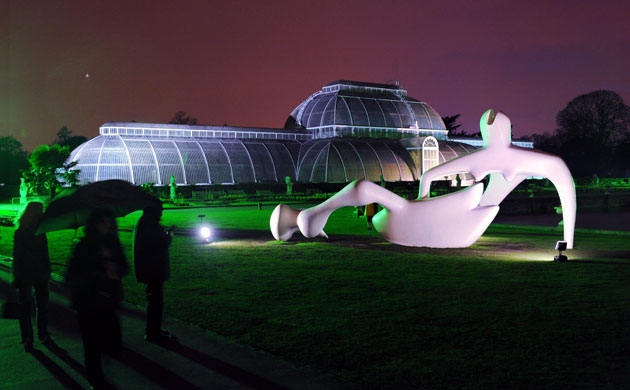
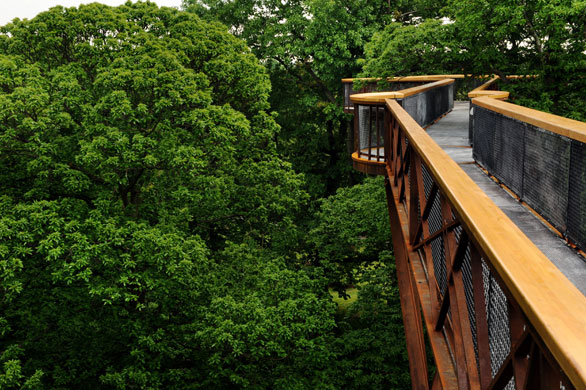
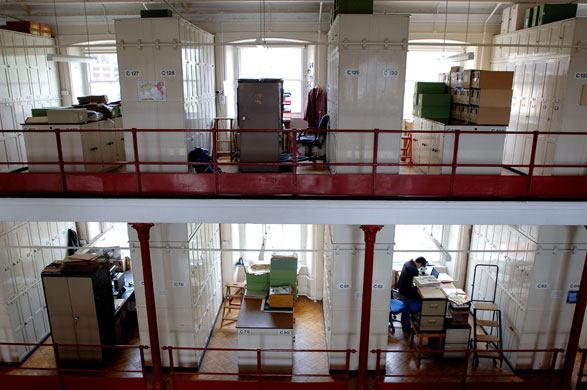
1913: Children with their nannies feeding the ducksPhotograph: Topical Press Agency/Hulton Archive/Getty1930: Workmen cleaning the glass roof of the ObservatoryPhotograph: Fox Photos/Hulton Archive/Getty1938: A gardener at work on plants in a greenhousePhotograph: General Photographic Agency/Getty Images1940: Amorphophallus titanum, the world's largest flower in full blossom. In ancient Greek, the name means 'misshapen penis'Photograph: Hulton Archive/Getty ImagesA worker in the Palm House, which was designed by Decimus Burton and opened in 1857Photograph: Kew GardensWorkers outside the Palm HousePhotograph: Kew Gardens1982: Kew Gardens as seen from the PagodaPhotograph: Sten Rosenlund/Rex Features2003: A peacock in the Royal Botanical GardensPhotograph: Martin Argles2003: A view of KewPhotograph: Kieran Doherty/Reuters2003: Giant lilies on displayPhotograph: Kieran Doherty/Reuters2003: Members of the public wander through the Royal Botanical Gardens, which were awarded world heritage status in 2003Photograph: Kieran Doherty/Reuters2003: The Palm HousePhotograph: David Sillitoe2003: The Princess of Wales Conservatory, which was opened in 1987 by Diana, Princess of Wales in commemoration of her predecessor Augusta's associations with KewPhotograph: David Sillitoe2005: The Sun by Dale Chihuly, part of a glass exhibitionPhotograph: Rex Features2006: King George III's country retreat, Kew Palace, which will be opened to the public for the first time after a 10-year restoration project costing £6.6mPhotograph: Graeme Robertson2006: The Davies Alpine House, which opened in March 2006 at the north end of the Rock GardenPhotograph: Nicholas Bailey/Rex Features2006: The PagodaPhotograph: Graham Turner2007: Acer opalus, an Italian maple treePhotograph: David Levene2008: Large Reclining Figure 1084 by Henry MoorePhotograph: Fiona Hanson/PA2008: The Xstrata Treetop walkway. The 18 meter high structure gives visitors the opportunity to view the tree canopyPhotograph: Linda Nylind2008: Tucked away from the public gaze, the Herbarium's unique and extensive collection of preserved plant materials is at the heart of all Kew does. Within it are some 7 million dried plant specimens, gathered over the centuries and from all over the world. The Herbarium is also home to the personal collections of historical esteemed scientists and explorers including Charles Darwin, David Livingstone and John Hanning Speke. Specimens in the Herbarium are meticulously filed in systematic order, according to the characteristics of their flowers, leaves, stems, fruit and rootsPhotograph: Martin Godwin2009: Kew Garden's Millennium Seed Bank
is celebrated with a summer exhibition,
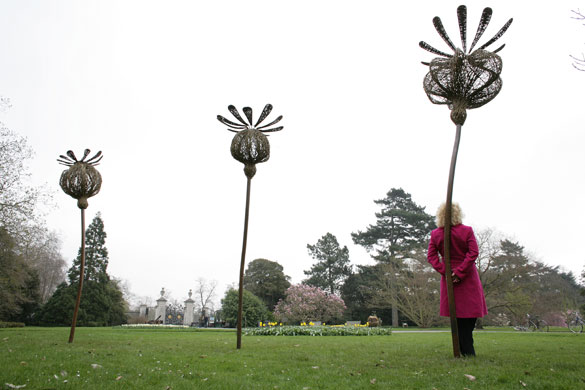
Poppy head seeds, sculptures by Tom HarePhotograph: Martin Godwin
Sign up to read this article
Read news from 100’s of titles, curated specifically for you.