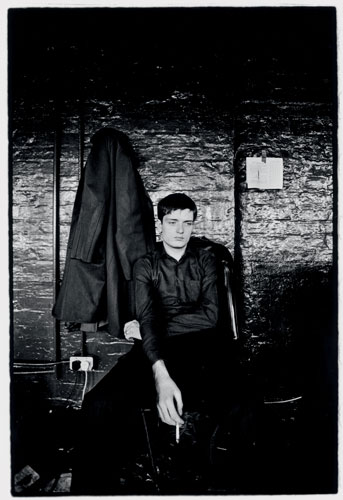
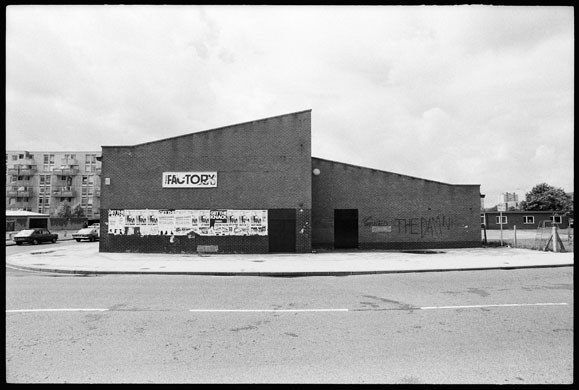
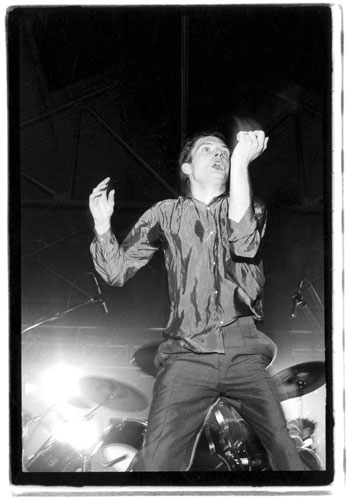
Ian Curtis, 1979: Joy Division were typical lads but I rarely took pictures of them joking around – that’s not how I wanted them to be perceived. Here, during rehearsals for their Buzzcocks tour, I asked Ian to sit for me where the light was decent. I hung his coat on a nail because the London press referred to Manchester music as 'grey overcoat music'. I thought it made a nice visual punPhotograph: Kevin CumminsFactory club, 1979. The Factory was the hotbed of Manchester music at the time. There were gigs there once or twice a week; Iggy Pop even played therePhotograph: Kevin CumminsIan Curtis, 1979. I took a whole roll of Ian dancing to one song at this gig. He looked like he was lost in his own world. We were at Leeds Queens Hall at a weekend festival called Futurama. It was one of the most awful experiences of anyone's life in this huge cavernous space in Leeds. Then Joy Division came on and salvaged it. They played a blistering live set, we all felt privileged to have been there. Ian was absolutely manic on stage. There's only a couple of people I've felt genuinely frightened taking photos in front of live because the person is out of control. Ian was one and Iggy Pop was another. I don't think Ian's even aware that he's on stage with other people. We didn't know about his epilepsy but I think the lights must've been putting him into a trance in a wayPhotograph: Kevin Cummins
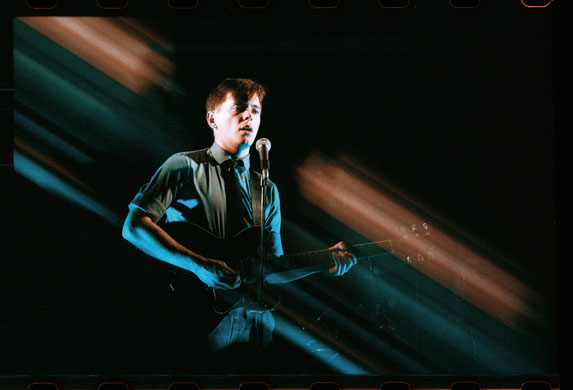
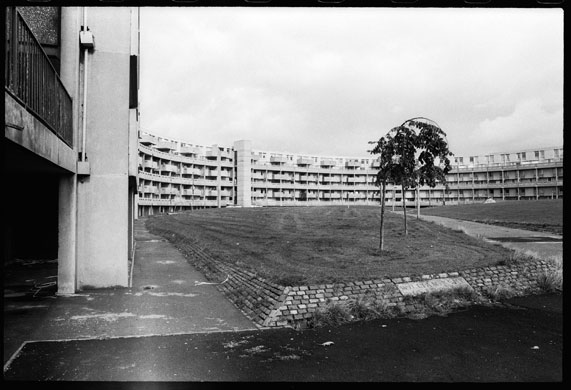
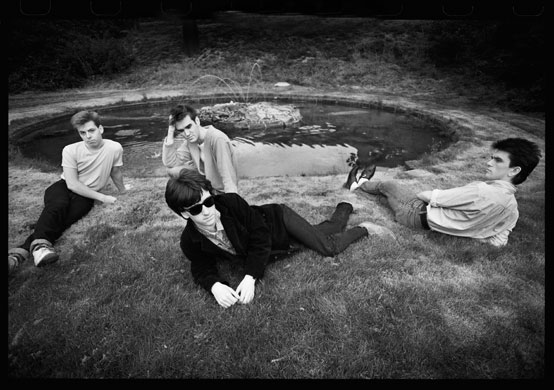
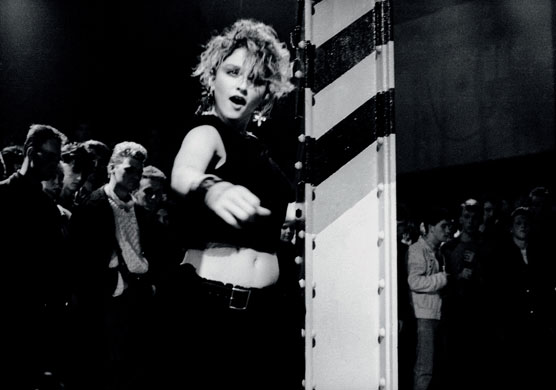
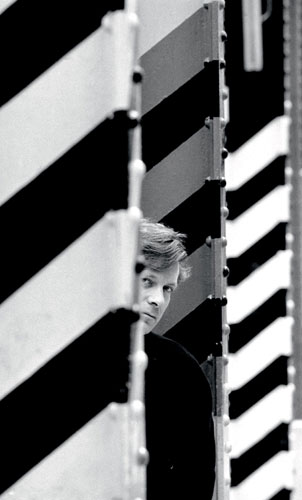
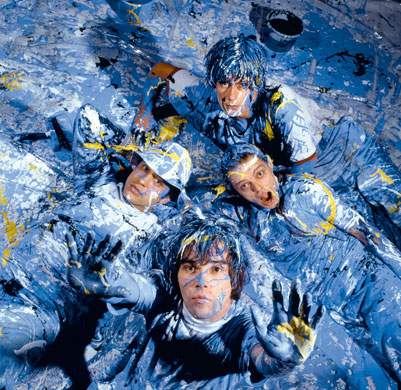
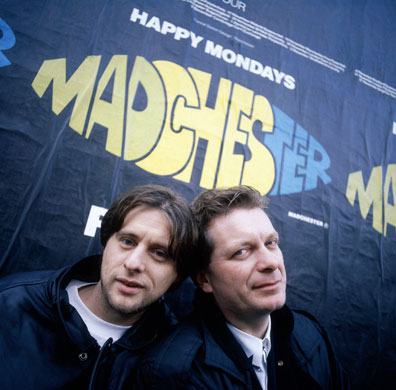
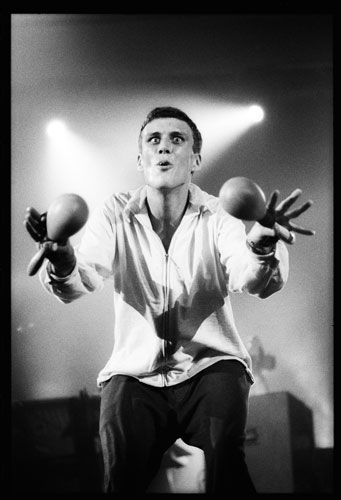
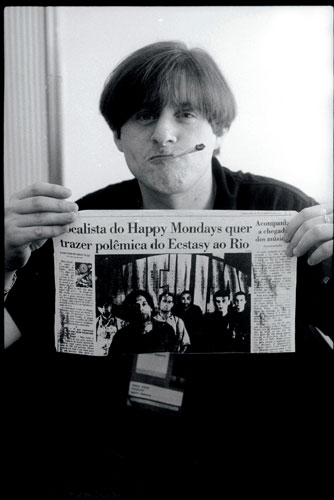
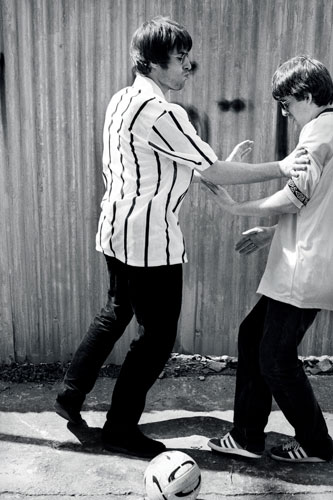
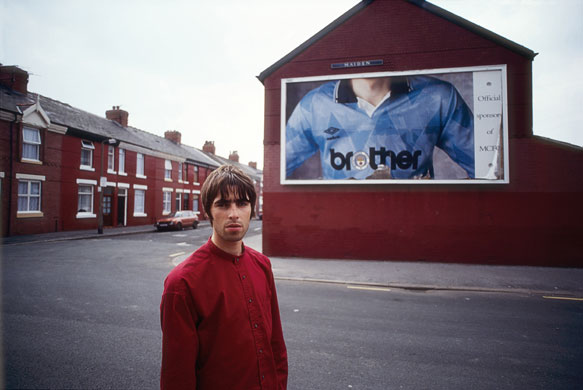
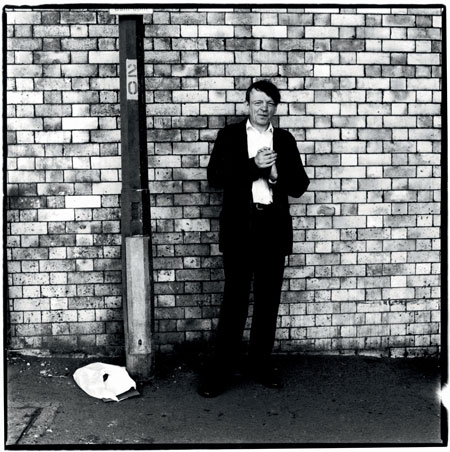
Bernard Sumner, 1981. Rather than getting a new vocalist in after Ian Curtis died, Bernard decided to do vocals for New Order. This was at the band's first proper gig about six to eight months after Ian's death. Bernard was always quite shy on stage but he looks lost in this picture, trapped by the light stripesPhotograph: Kevin CumminsHulme, 1981. Hulme Crescents were, rather grandly, based on the crescents of Bath. They were built to rehouse people after all the urban clearances that got rid of Hulme's terraced streets. The plan didn't work. Families quickly moved out; everybody wanted a garden and a fence. The council was going to pull it down but they decided to use it as student overspill. Suddenly the crescents were being populated by students, musicians and left-field types who didn't want to pay big rents. Some of the flats were knocked through, illegally obviously, and turned into clubs, photography and recording studios, all sorts of stuff. It became a really creative area and the Factory club was right on the edge of itPhotograph: Kevin CumminsThe Smiths, 1983. I usually photograph bands in urban landscapes but didn’t feel that would suit the Smiths, so we went to Dunham Massey, a country estate in Cheshire. Morrissey was a star and knew it. In the shot he’s very studied while the others are still learning how to pose as a bandPhotograph: Kevin CumminsMadonna, 1984. Madonna had just had a hit with Holiday and was invited over to the Haçienda to perform so I took pictures. The next day my assistant was processing them, she went to answer the phone and ruined all the film. We only salvaged three frames and I remember saying: 'Well, it’s only Madonna'. We didn't think she was going to be the most famous woman in the world, she was just a kid. Years later she denied playing at the Haçienda, saying 'I don’t even know where Manchester is'. But the Haçienda pillar in the shot proves she was therePhotograph: Kevin CumminsTony Wilson, 1985. The National Portrait Gallery has bought this photo. It was taken for a piece about the Haçienda and I felt at the time that the club's striped pillars were more iconic than TonyPhotograph: Kevin CumminsThe Stone Roses, 1989. I'd always wanted to photograph the Stones Roses as one of John Squire's paintings and I used Manchester City football colours whenever I could in my work. Paint got hurled everywhere and I instantly thought, 'Jesus, what have I done?'. After the shoot I broke it to the band that there were no showers, so off they trooped, putting hand prints down the stairwell, back to Ian's to hose each other down. I never thought it would become the shot that defines themPhotograph: Kevin CumminsShaun Ryder and Tony Wilson, 1989. The NME had a cover story about Manchester but we didn't think Tony on the cover would sell it, so I asked Shaun along. I worked with the Happy Mondays a lot. When I first met Shaun, Tony bigged me up to him, saying: 'Kevin's shot Joy Division and the Sex Pistols'. Shaun said: 'But they’re all fucking dead,' and I thought, 'Oh dear'Photograph: Kevin CumminsBez, 1990. This is at Wembley Arena but it looks like it's taken at a small club because Bez is right over the camera. I think his eyes tell the story better than I canPhotograph: Kevin CumminsShaun Ryder, 1991. This was in Rio just before a press conference for [the festival] Rocking Rio. The Happy Mondays were on the same bill as a reformed Wham. The band were given all their press cuttings so they could see what the press had been saying about them before they arrived. Obviously the coverage was all about the Mondays and ecstasy so Shaun just rolled a big spliff and sat there smoking it and holding the paper up in a petulantly defiant wayPhotograph: Kevin CumminsLiam and Noel Gallagher, 1994. No disrespect to women, but the Gallagher brothers played football like girls. After a big studio shoot in east London with them in Manchester City shirts I decided to take some shots of them outside in a back alley. Within minutes they were having a fight. The studio session was supposed to be for the NME cover but the editor at the time was a Southampton supporter so there was a big editorial row and a different picture went on the coverPhotograph: Kevin CumminsLiam Gallagher, 1994. I like this shot because it's very monochromatic: Liam's got a maroon shirt on, all the houses are painted a similar colour and you've got the grey floor and the grey Manchester sky. Apart from that the only real colour is the blue of the Man City shirt on the poster, which was opposite the main entrance of Man City's groundPhotograph: Kevin CumminsMark E Smith, 2005. I've shot Mark for 32 years on and off and he tends to want to just sit in the pub most of the day. I had to meet him in this terrible pub in this really run-down area of Salford with all my camera equipment. But I took him outside. He thinks his carrier bag is out of frame, he's carefully placed it next to the lamp post, which helps make the shot. Manchester: Looking for the Light Through the Pouring Rain, by Kevin Cummins, is published by Faber, £30. To order a copy for £27 including free UK p&p go to observer.co.uk/bookshop or call 0330 333 6847 Photograph: Kevin Cummins
Sign up to read this article
Read news from 100’s of titles, curated specifically for you.