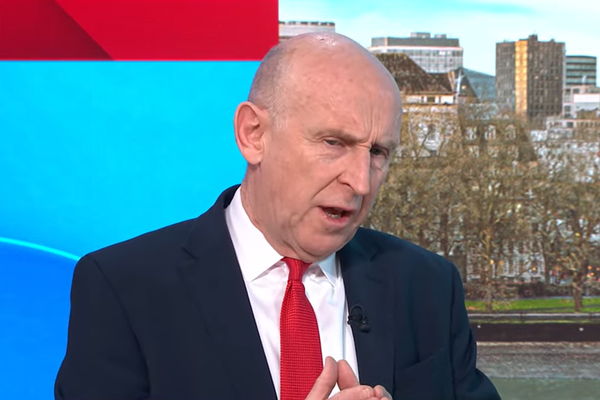
“Most new parties are not parties but gangs that fragment voters on sentiments,” says Rajan Gurukkal P.M., historian and Vice Chairman of the Kerala State Higher Education Council.
“Democracy fails when people are fragmented by multiple sentimental identities along castes, communities, religions, localities, etc. They become apolitical gangs, rather than political parties. Gangs may gain reputation based on what they provide others,” Prof. Gurukkal told The Hindu on Wednesday.
He was responding to a question on whether the gradual acceptance of apolitical parties such as the Twenty20 was an indicator that the mainstream political parties had left gaps in governance model and failed to take up corruption as a key component of their political discourse.
“I see the Twenty20 not different from them [apolitical gangs] in effect, despite its efforts to de-bureaucratise governance and check corruption. Lacking in a larger social perspective, it is apolitical too and as a third party, its forays into voters are weak and help impair democratic rule,” he says.
Prof. Gurukkal says people committed to social justice and general well-being should grow as critical insiders within the broad front, not as dissidents of vested interests. “The problem with the Twenty20 is that it consists of critical outsiders of civil society activism, who at best can become social democrats. It cannot writ large as a party and sustain itself without affiliation to the front of secular and democratic values,” he says.
Explaining that group formation is a strategy to enhance the bargaining strength for securing personal power, Prof. Gurukkal points out that it fragments the party as power distributed among subunits of vested interests. “Fragments do not mean political plurality. Voters segmented into multiple groups weaken the democratic front and help capitalists secure compromise even from the Left front that stands for secularism and development through distributive justice,” he says.
However, Prof. Gurukkal says the Left and the Congress fronts have contingently transformed into a coalition of conflicting interests by admitting all kinds of parties indiscriminately.
“Electoral democracy works only if people come broadly under two parties divided on the basis of two antagonistic social perspectives presupposing mutually incompatible political programmes — socialism and capitalism. Parties with differences unite on certain common agenda on the principle of short-term collaboration against long-term conflicts. Admitting all kinds of parties indiscriminately, each front is contingently transformed into a coalition of conflicting interests,” he says.