Kenyan farmers share their priorities in life - in pictures
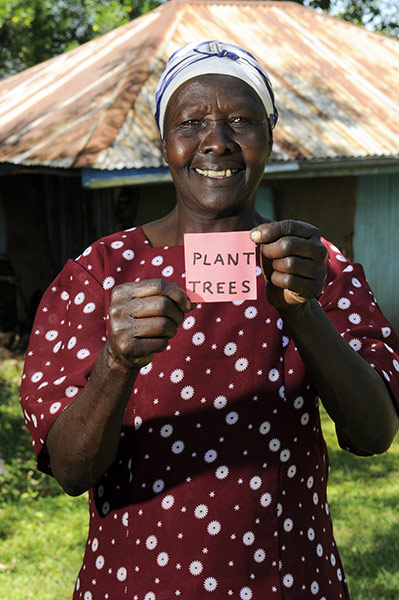
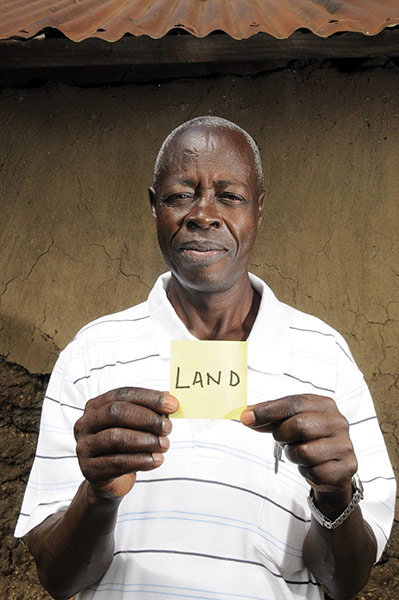
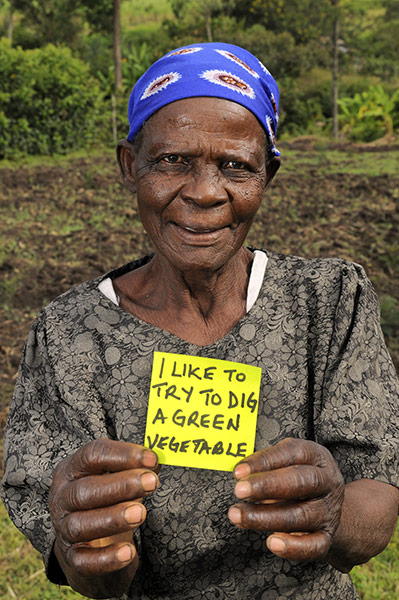
Plant trees – Tekla Awandu, 63. Many Kenyan farmers believe that trees bring rain, and many have adopted agroforestry practices - the planting of certain beneficial tree species among food crops. Some agroforestry trees help to fix nitrogen, provide fodder for livestock, help to stabilise the soil and provide shade for crops and animalsPhotograph: Neil Palmer/International Center for Tropical AgricultureLand – Manasse Juma, 61. Hundreds of thousands of Kenyan farmers are growing food on land they don't own or rent. Giving farmers land rights, along with access to bank loans and the right technical support can have a significant impact on their productivity, help build resilience to challenges like climate change and tackle issues like poor soil fertilityPhotograph: Neil Palmer/International Center for Tropical AgricultureI like to try to dig a green vegetable – Pilister Odago, 65. In Kenya, nutritious, green vegetables like kale are prized for their ability to continually produce profitable leaves for sale at market. But increasingly unpredictable rains mean that some farmers are hesitant to take the risk of planting such high-value cropsPhotograph: Neil Palmer/International Center for Tropical Agriculture
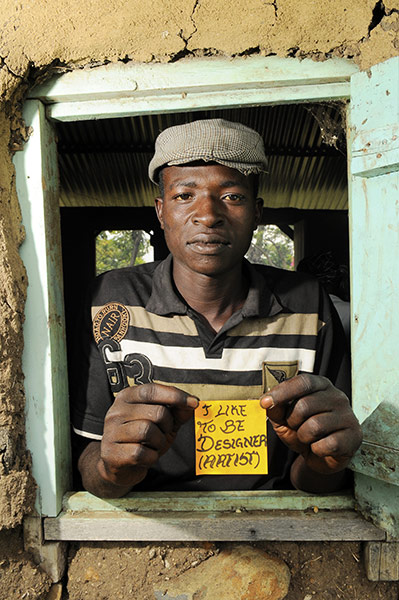
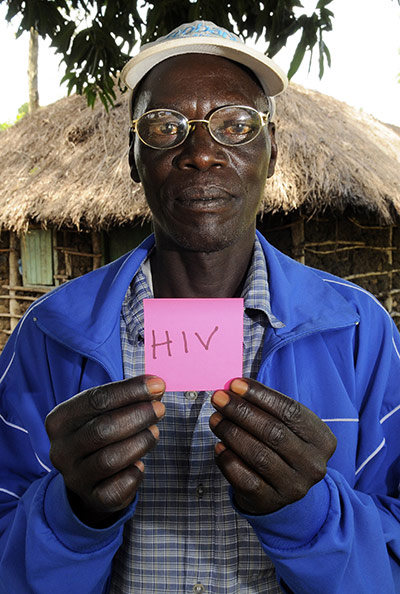
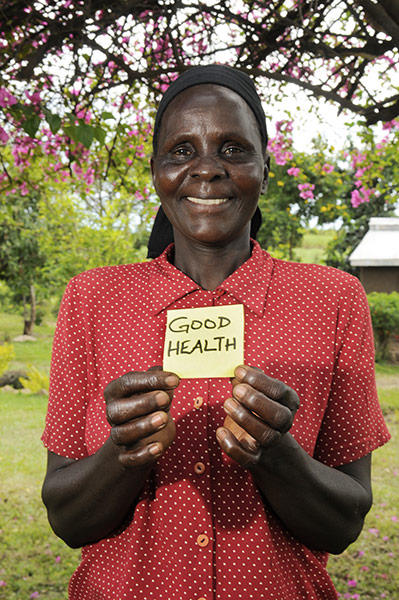
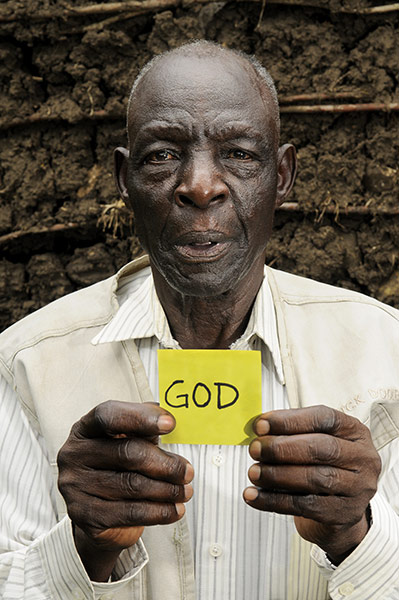
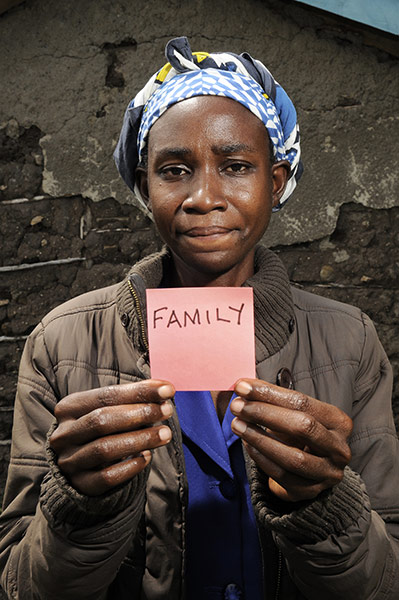
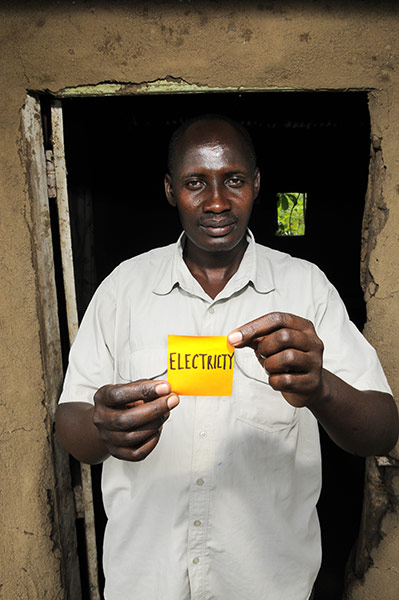
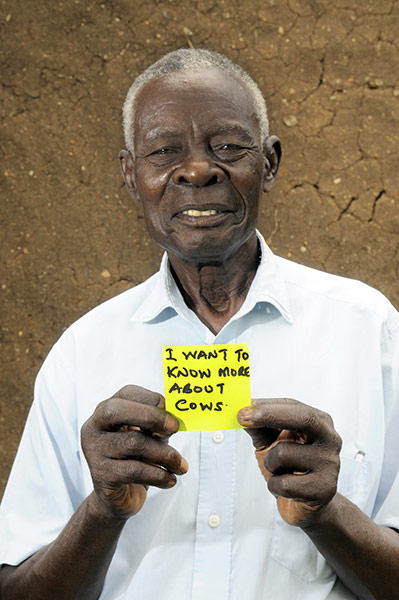
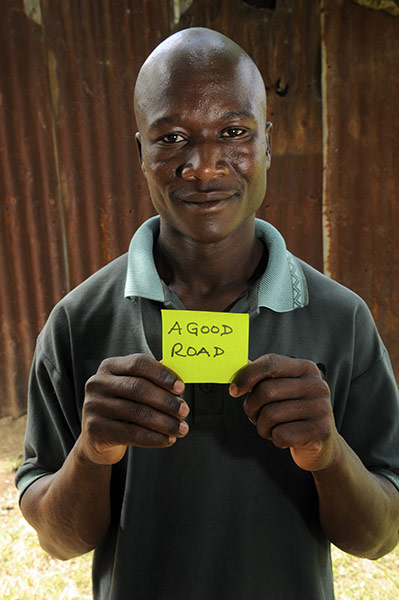
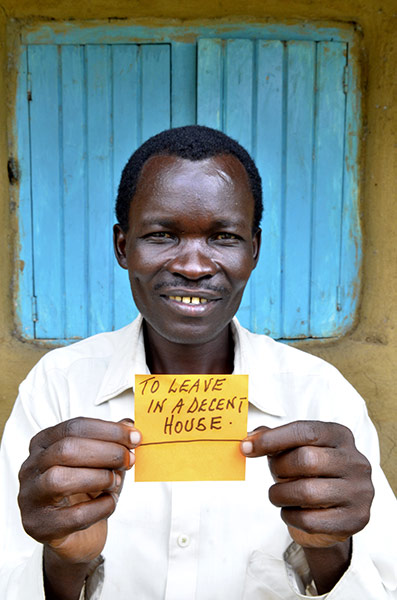
I like to be designer (artist) – Hosti Omondi Juma, 25. Many young people in Kenya are choosing to opt out of farming, no longer following in the footsteps of their parents. But youth unemployment is becoming a major problem across AfricaPhotograph: Neil Palmer/International Center for Tropical AgricultureHIV – Fred Awiti, 55. Illnesses such as HIV can reduce farmers' productivity, and can leave families without adults to manage their farms. Many households adopt orphaned children after their parents die from HIV and Aids-related illnesses. Programmes to prevent and treat HIV, particularly in rural areas, are crucialPhotograph: Neil Palmer/International Center for Tropical AgricultureGood health – Margaret Awiti, age unknown.Photograph: Neil Palmer/International Center for Tropical AgricultureGod – James Amata Nyabuwa, 81. Many farmers in the areas in which the workshops were held believe that God is responsible for the rainsPhotograph: Neil Palmer/International Center for Tropical AgricultureFamily – Mary Akinyi Ongango, 39. When crops are lost or harvests are poor, these farmers often turn to family and community networks for supportPhotograph: Neil Palmer/International Center for Tropical Agriculture (CIAT)Electricity – Ray Mbogo, 38. Studies have concluded that giving poor people access to electricity could have huge advantages in terms of health, education and economic growth. A report by the International Energy Agency, published in October, said that more than 1 billion people in poor countries could have access to electricity within 20 years if the international community made more effort. The report said that if done properly, providing electricity would increase carbon dioxide emissions by around 0.7%, 'equivalent to the annual emissions of New York State, but giving electricity to a population more than 50 times the size'Photograph: Neil Palmer/International Center for Tropical AgricultureI want to know more about cows – Zedekia Mango, 60. Livestock provide a crucial, portable safety net for many Kenyan farmers. They provide milk throughout the year and can be sold in times of needPhotograph: Neil Palmer/International Center for Tropical AgricultureA good road – James Ochieng’ Ogutu, 24. Good rural roads can help farmers access the inputs and information they need to increase their productivity and bring surplus crops to market after harvest.Photograph: Neil Palmer/International Center for Tropical AgricultureTo leave (sic) in a decent house - Tom Ochieng Minda, 41Photograph: Neil Palmer/International Center for Tropical Agriculture
Sign up to read this article
Read news from 100’s of titles, curated specifically for you.